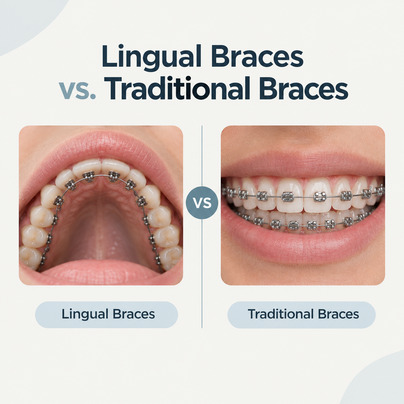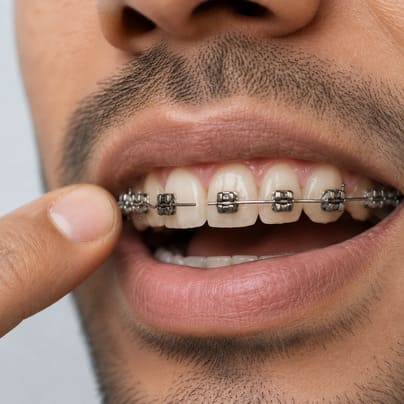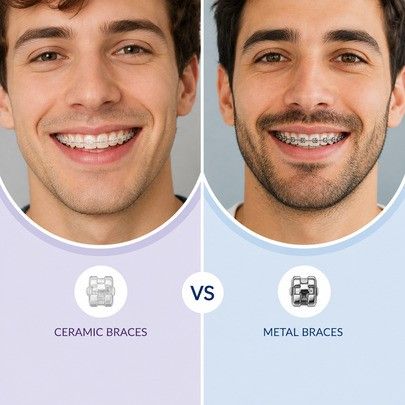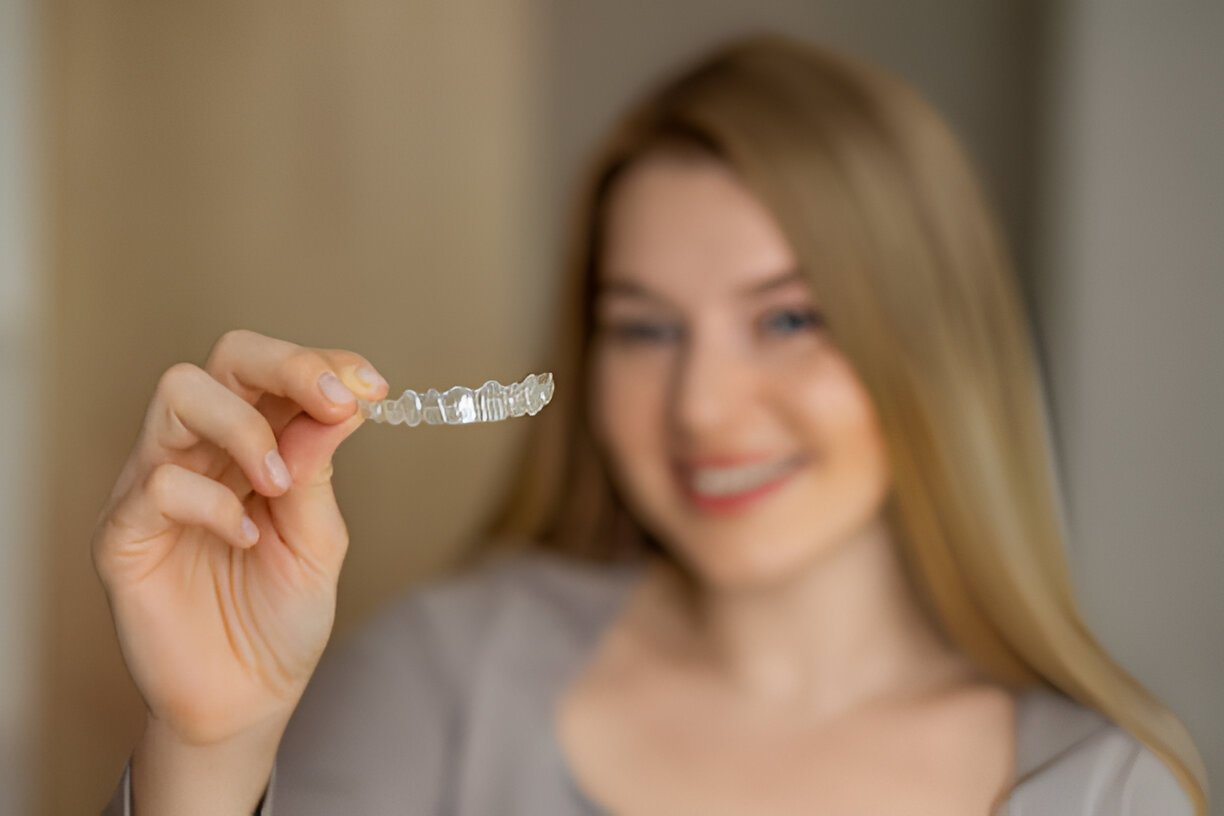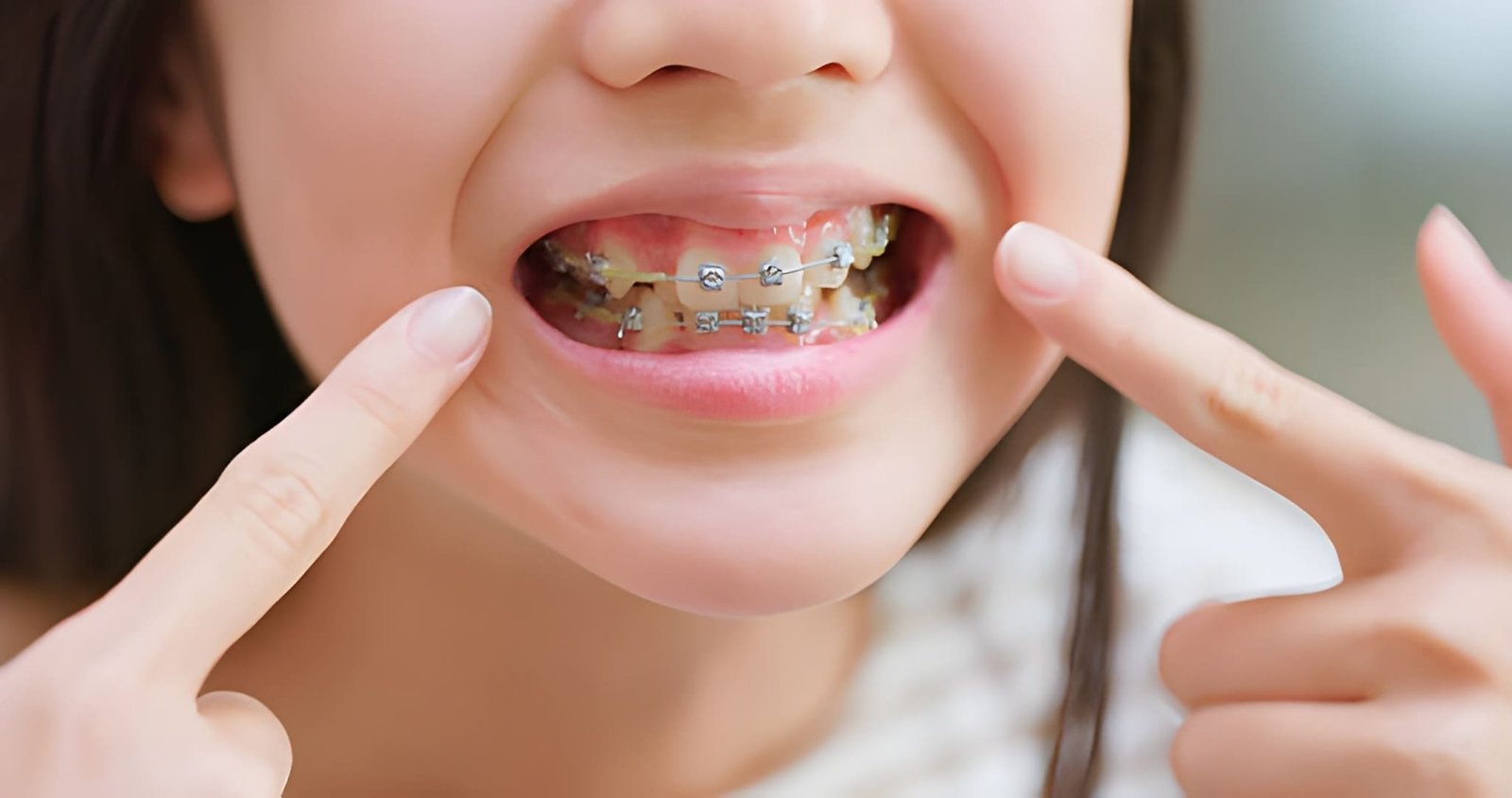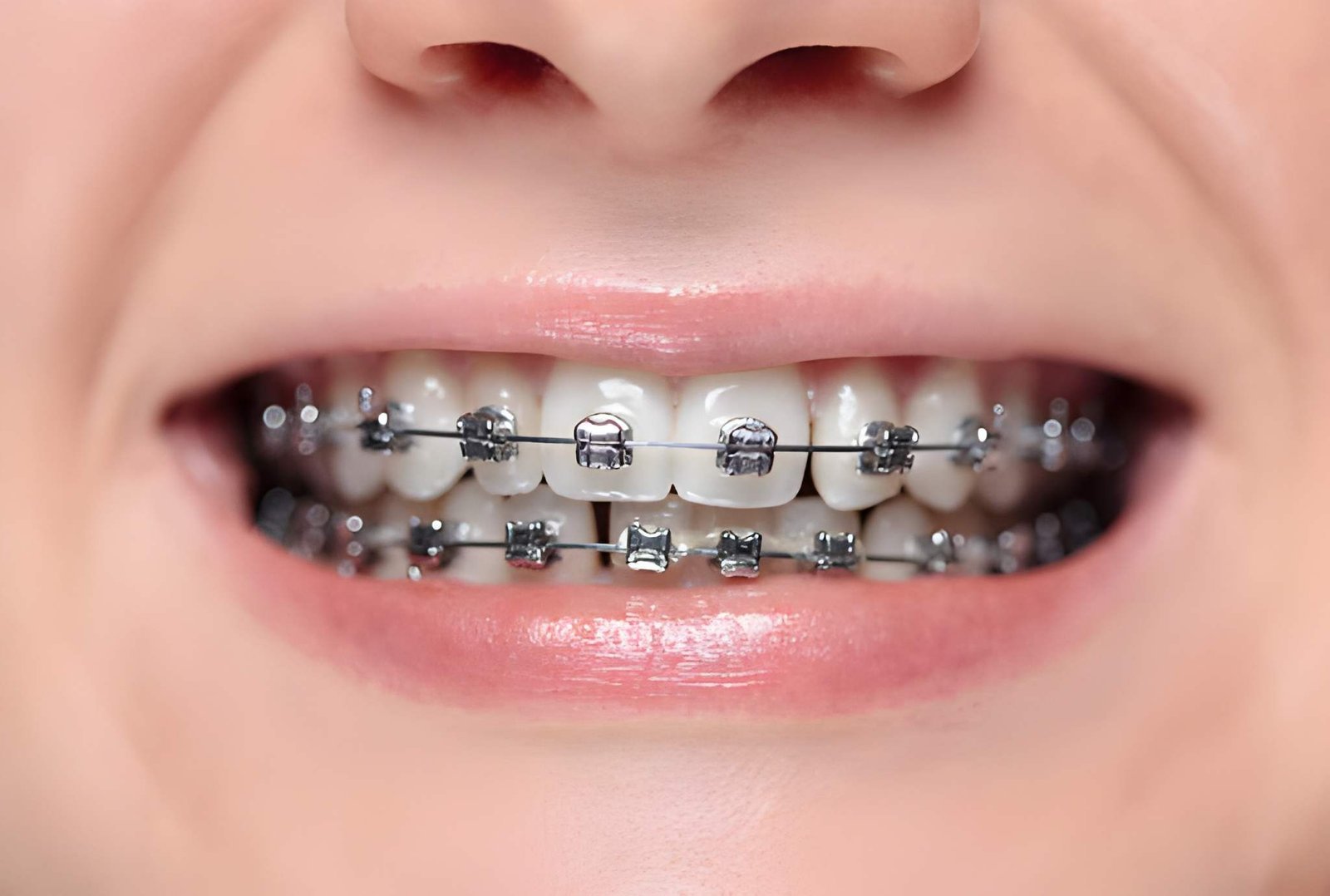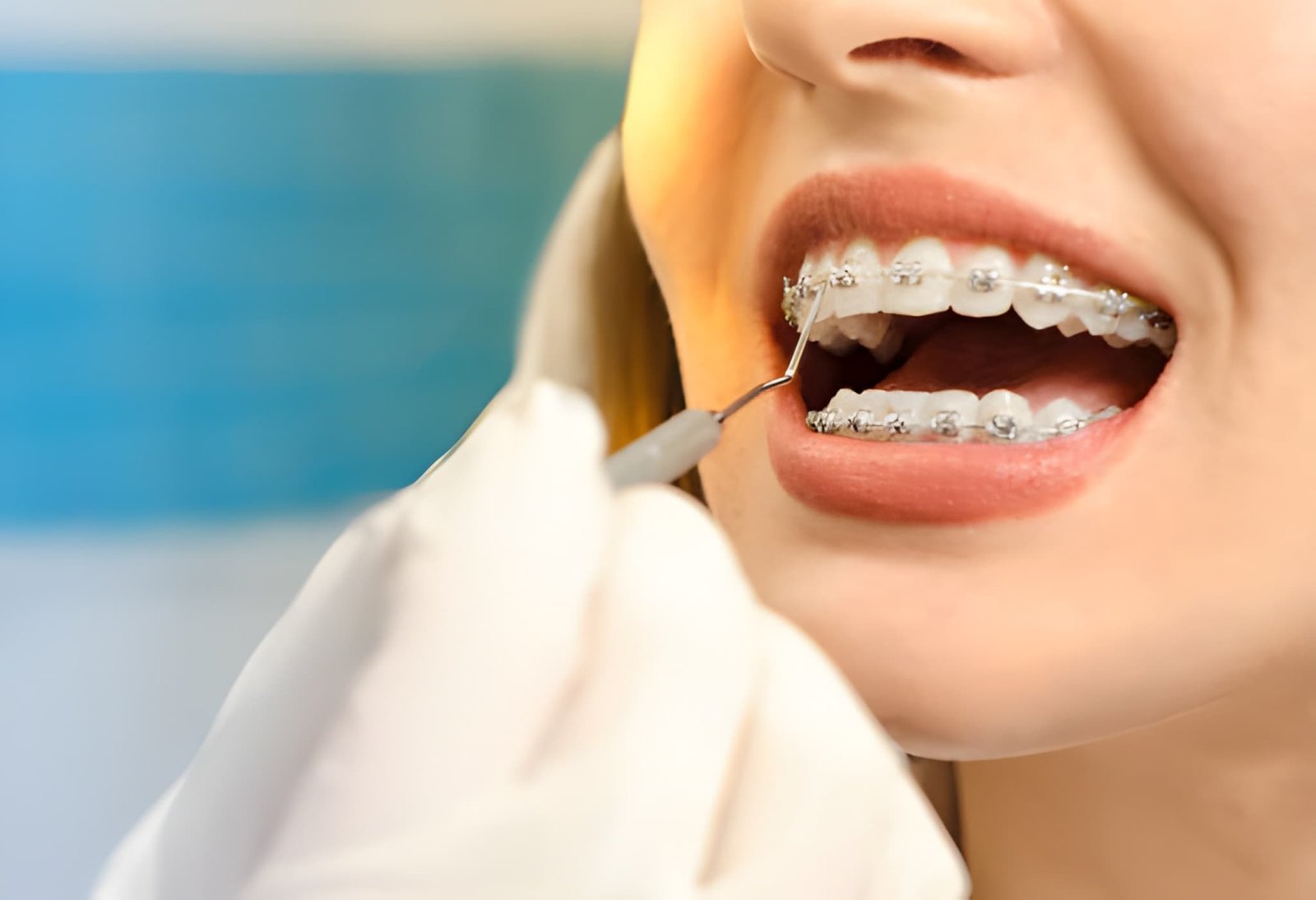
If you are looking for a way to straighten your teeth in less time, you may have come across claims that self-ligating braces are faster than traditional braces. Self-ligating braces use brackets with a built-in clip instead of elastic ties, which can make the orthodontic process more efficient.
Some studies and orthodontic practices report shorter treatment times or fewer appointments with self-ligating systems. However, the difference is not the same for every patient. Your treatment time depends on the complexity of your teeth and bite, the movements required and how your teeth respond to treatment.
What Are Self-Ligating Braces?
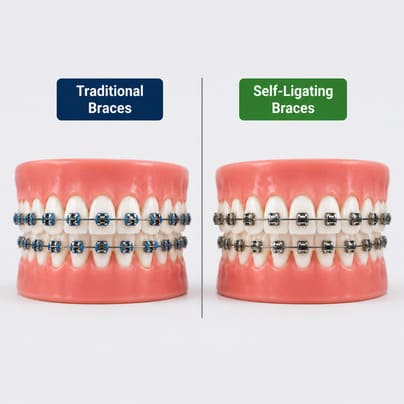
Self-ligating braces are fixed braces with brackets that use a built-in clip to hold the archwire in place. Traditional braces use elastic or metal ligatures for the same purpose.
The clip allows the orthodontist to change the archwire without removing individual elastic ties. This can make adjustments quicker.
Damon braces are one example of a self-ligating system. Like traditional braces, they gradually move teeth using controlled orthodontic forces.
How Do Traditional Braces Work?
Traditional braces use brackets bonded to the teeth, with an archwire held in place by elastic or metal ligatures.
Your orthodontist adjusts the wire during regular appointments to guide the teeth into their planned positions. They can treat problems such as crowding, spacing and bite irregularities.
Read More: Can Braces Help Correct Jaw Alignment?
Are Self-Ligating Braces Actually Faster?
Self-ligating braces faster than traditional braces is a common claim and there are some reasons for it.
The clip system can reduce friction between the archwire and bracket in certain situations. It can also make wire changes quicker because there are no elastic ligatures to remove and replace.
Some studies have reported shorter treatment times with self-ligating braces. However, research has not consistently found a significant difference in total treatment time.
They can be faster for some patients, but this is not guaranteed. Your orthodontist will consider your specific treatment needs before estimating how long treatment will take.
Why Can Self-Ligating Braces Be Faster?
There are three main reasons they are often associated with faster treatment.
Less Friction
Self-ligating brackets can allow the archwire to move more freely through the bracket. This may reduce friction during certain stages of treatment and help the teeth move efficiently.
Quicker Adjustments
The built-in clip holds the wire in place, so the orthodontist does not need to remove and replace elastic ligatures. This can shorten some appointments.
A quicker appointment does not necessarily mean a shorter overall treatment period, but it can make treatment more convenient.
Fewer or More Widely Spaced Appointments
Some self-ligating systems may allow longer intervals between appointments. This can reduce the number of visits required in some treatment plans.
Read More: Ceramic Braces vs Metal Braces
What Does the Evidence Say About Treatment Time?
When comparing self-ligating braces treatment time with traditional braces, research gives mixed results.
Some studies have found shorter treatment times with self-ligating brackets, while others have found little or no significant difference. Therefore, it is not accurate to promise that every patient will finish treatment sooner with self-ligating braces.
The British Orthodontic Society recognises practical advantages such as easier wire changes but does not consider self-ligating brackets proven to produce a superior orthodontic result.
Self-Ligating Braces vs Traditional Braces: Treatment Time
When comparing self-ligating braces vs traditional braces treatment time, consider both appointment efficiency and overall treatment.
| Factor | Self-Ligating Braces | Traditional Braces |
| Bracket mechanism | Built-in clip | Elastic or metal ligature |
| Wire changes | Often quicker | May take longer |
| Appointment time | May be shorter | May take longer |
| Overall treatment | May be shorter in some cases | Varies by case |
| Treatment duration | Case-dependent | Case-dependent |
What Determines How Long Braces Take?
The bracket type is only one factor affecting treatment time. Other important factors include:
- Severity of crowding or spacing
- Complexity of the bite
- Amount of tooth movement required
- Whether extractions are needed
- Individual response to treatment
- Following your orthodontist’s instructions
- Broken brackets or missed appointments
Do Self-Ligating Braces Need Fewer Appointments?
One potential advantage of self-ligating braces is that appointments can be quicker and, in some cases, less frequent.
The built-in clip means there are no elastic ligatures to replace during wire changes. Some self-ligating systems also allow longer intervals between appointments.
However, the number of visits depends on your treatment plan and how your teeth are progressing.
Read More: Do Braces Weaken Teeth?
Are Self-Ligating Braces More Comfortable?
Self-ligating braces may feel more comfortable for patients because the brackets do not require elastic ligatures around the wire.
However, some soreness is normal with any fixed braces, particularly after fitting or adjustments. Your teeth need to respond to controlled pressure as they move.
Are Self-Ligating Braces Better Than Traditional Braces?
Both systems can straighten teeth effectively. Whether one is better depends on your orthodontic needs.
Self-ligating braces may be suitable if you prefer a bracket system that can offer:
- Quicker wire changes
- Potentially shorter appointments
- No elastic ligatures
- Potentially shorter treatment in some cases
Which Should You Choose?
If you are deciding between self-ligating braces vs traditional braces, ask your orthodontist:
- Which system is suitable for my case?
- How long is my expected treatment?
- Could self-ligating brackets reduce my treatment time?
- How often will I need appointments?
- What are the costs of each option?
Final Thoughts
So, are self-ligating braces faster than traditional braces? They can be. Their bracket design can make adjustments more efficient and some patients may have shorter treatment times or fewer appointments.
However, the difference is not guaranteed. Treatment duration depends on the complexity of your case, the movements required and how your teeth respond to treatment.
If you are unsure which option is right for you, speak to the experienced orthodontists at Visage Orthodontics Aberdeen. Our experienced orthodontists can assess your teeth and bite and help you choose the most suitable option. Book a consultation with us to discuss which treatment is right for you.
Frequently Asked Questions
Self-ligating braces are faster for some patients. Their design can make tooth movement and adjustments more efficient, but overall treatment time depends on the complexity of each case.
There is no fixed amount of time saved. Some patients may have shorter treatment, while others may have a similar treatment time to those wearing traditional braces.
They may allow fewer or more widely spaced appointments in some treatment plans. Their clip system can also make individual wire-change appointments quicker.
Yes. They are easier to clean around than braces with elastic ligatures because there are fewer components around each bracket. However, brushing and cleaning between the teeth are still essential.
No, self-ligating braces do not need elastic bands (ligatures) to hold the archwire to the brackets. Instead, they use a built-in metal clip, spring-loaded gate or sliding door mechanism to secure the wire.