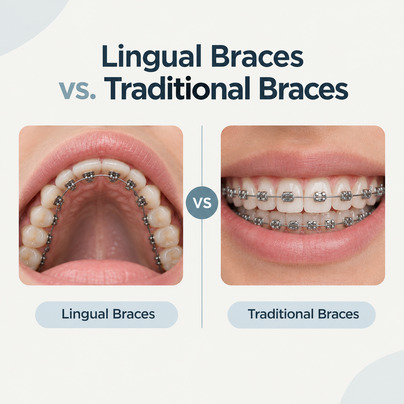
Choosing between lingual braces and traditional braces depends on your orthodontic needs, budget and preferences. Both options use fixed brackets and wires to move teeth into better positions. However, they differ in appearance, comfort, maintenance and cost.
Lingual braces sit behind the teeth, making them difficult to see when you smile. Traditional braces attach to the front surfaces of the teeth and are more visible. Understanding these differences can help you decide which option to discuss with your orthodontist.
Lingual Braces vs. Traditional Braces: Key Differences
The main difference is where the brackets sit. However, placement also affects comfort, cleaning and the overall treatment experience.
| Feature | Lingual Braces | Traditional Braces |
| Placement | Behind the teeth | Front of the teeth |
| Appearance | Almost invisible from the front | Visible when smiling |
| Cost | Usually more expensive | Usually more affordable |
| Initial discomfort | May irritate the tongue | May irritate the lips and cheeks |
| Speech | May affect speech initially | Usually causes less tongue interference |
| Cleaning | Can be harder to clean | Brackets are easier to see |
| Suitability | Depends on bite and tooth anatomy | Suitable for many orthodontic cases |
What Are Lingual Braces?
Lingual braces are fixed orthodontic appliances attached to the inner surfaces of the teeth, facing the tongue. They use brackets and wires to apply controlled pressure and gradually move teeth into the planned positions.
Their main advantage is their discreet appearance. Because the brackets sit behind the teeth, they are difficult to see during normal conversation or smiling. This appeals to adults and professionals who prefer less visible orthodontic treatment.
What Are Traditional Braces?
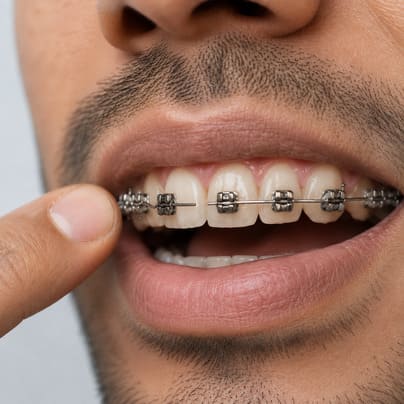
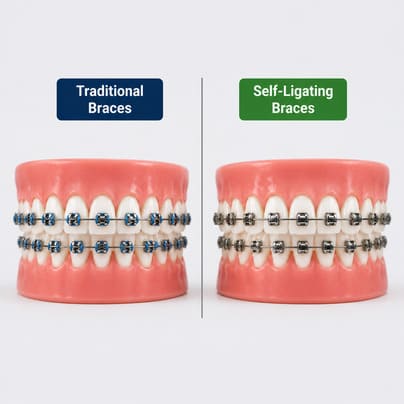
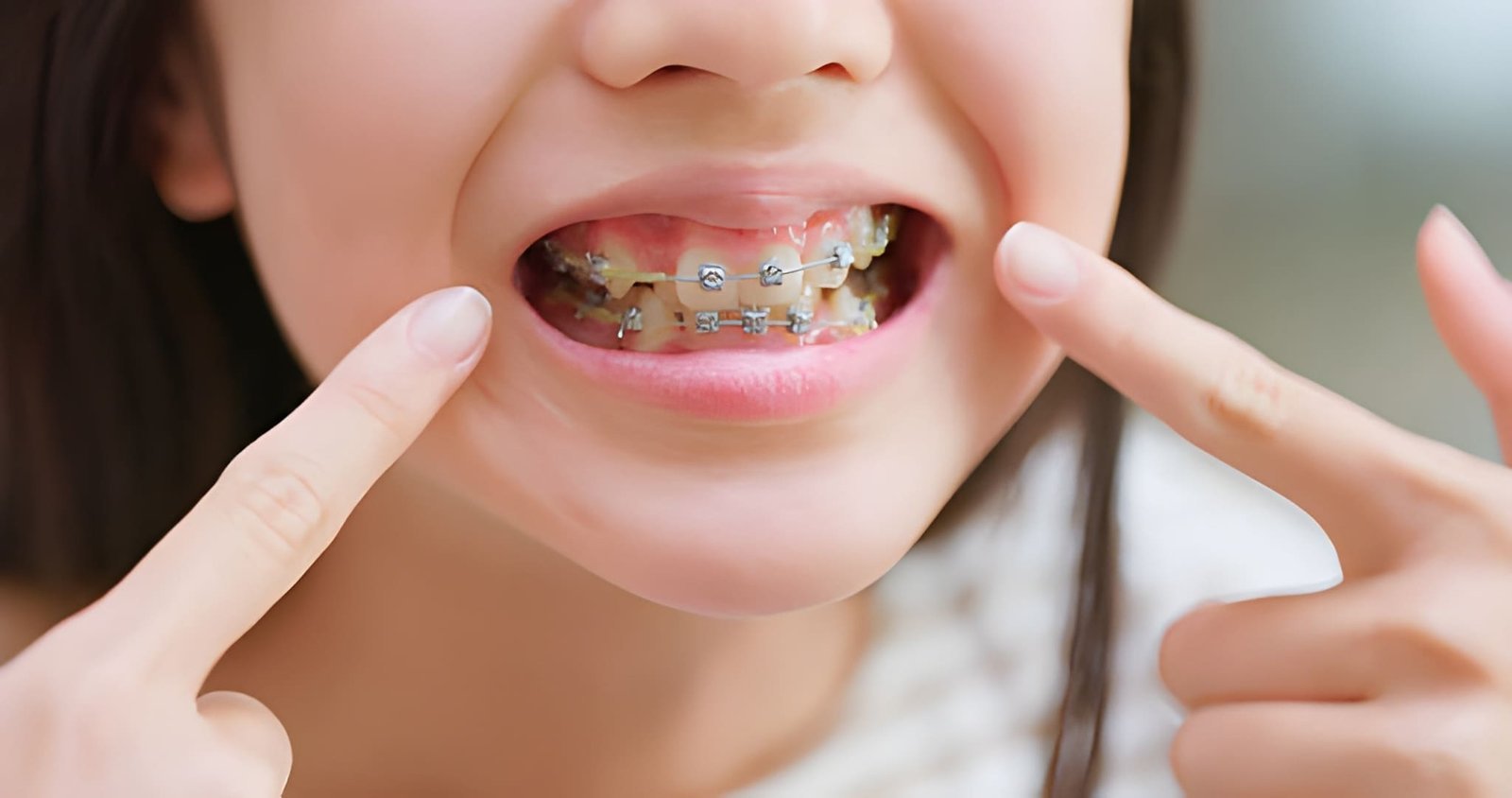
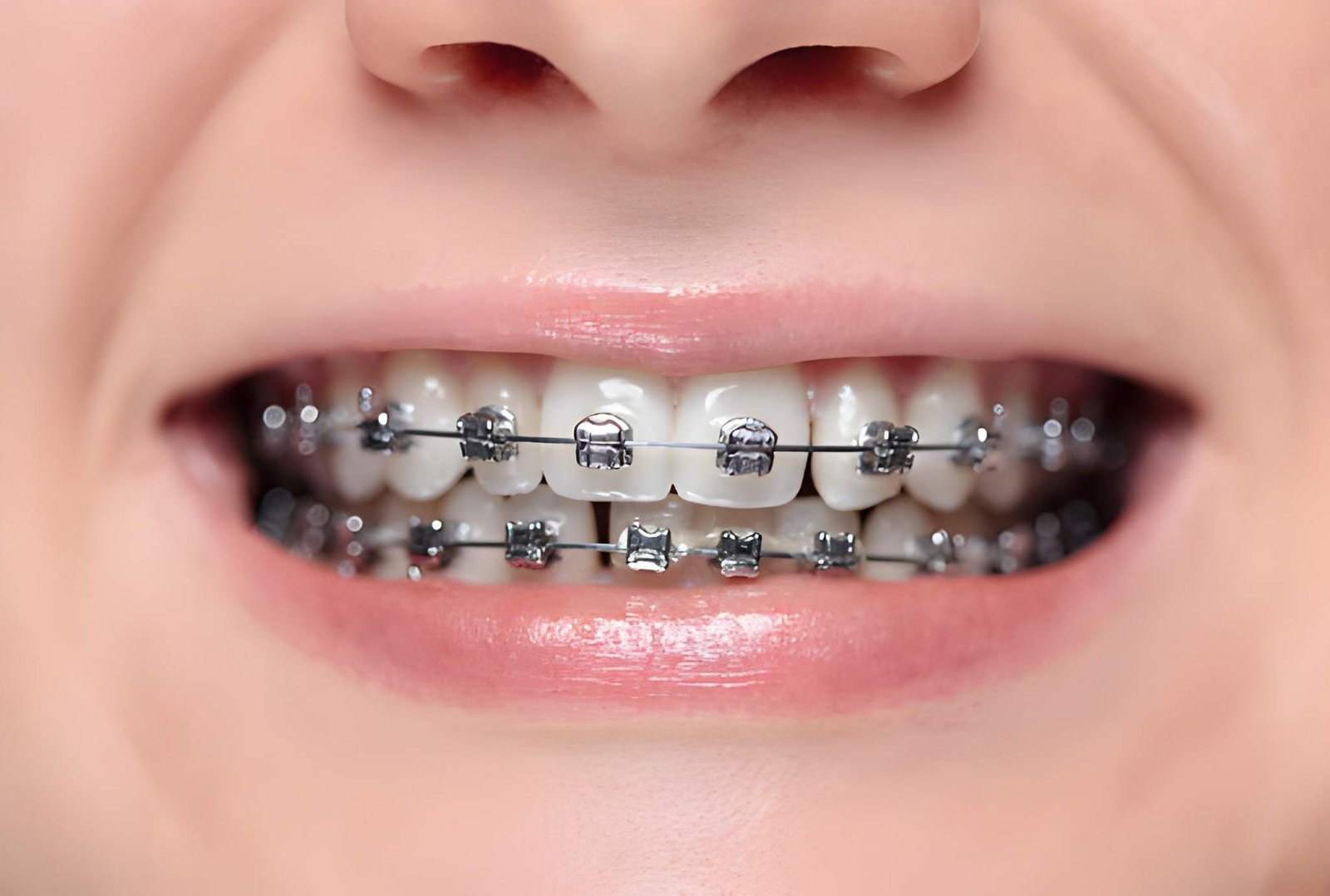
Traditional braces use brackets attached to the front of the teeth, connected by wires that guide tooth movement. Your orthodontist adjusts the appliance throughout treatment to achieve the planned alignment and bite correction.
Metal braces are widely used and can treat many orthodontic problems, including crowding, gaps and bite irregularities. Their front-facing position makes the brackets easier to inspect and clean, although good oral hygiene remains essential.
Read More: What is a Good Age to Get Braces?
Are Lingual Braces as Effective as Traditional Braces?
Are lingual braces effective? Yes, for most patients. Both systems apply steady, gentle pressure through brackets and wires, so the underlying orthodontic principle is the same.
In straightforward cases, they can achieve comparable results.
A systematic review published in 2024 found promising evidence for lingual treatment, though it noted limitations in the available data, meaning stronger comparative research is still needed.
Traditional braces remain the more predictable choice for severe crowding or complex bite problems. Lingual braces are also harder to adjust, so your result depends heavily on the orthodontist’s expertise.
Lingual Braces vs. Traditional Braces Cost
Lingual braces cost more than traditional braces. How much do lingual braces cost depends on your country, the clinic and the complexity of your case. Three factors explain the gap:
- Custom fabrication: Lingual brackets are often made in a laboratory for each patient.
- Longer appointments: Placing and adjusting brackets on the tongue side takes more time.
- Specialist training: Fewer orthodontists are qualified, which limits competition.
Read More: Do Braces Move Your Teeth Every Day?
Comfort, Speech and Daily Life
Pain and Tongue Irritation
Both types of braces cause discomfort at first. With lingual braces, the tongue is the main site. Sore spots and small ulcers are common in the first one to two weeks, until the tongue adapts. Orthodontic wax over rough brackets helps.
The evidence on lingual braces pain is mixed. One study of 68 patients found no significant difference in pain between lingual and conventional braces, while another found more severe pain in lingual wearers. Traditional braces tend to irritate the lips and cheeks instead.
Do Lingual Braces Affect Speech?
Yes, at first. Because the brackets sit where the tongue touches the teeth. Most wearers return to near-normal speech within about a month. Reading aloud each day speeds up the adjustment.
Traditional braces affect speech far less. Patients with conventional braces recovered their speech within about a week.
Eating and Cleaning
Avoid hard, sticky and chewy foods with either type. Cut food into small pieces.
Cleaning is harder with lingual braces because you cannot see the brackets. Brush after every meal, use interdental brushes around each bracket and add a water flosser if you have one. Use a small mirror to check the tongue side of your teeth. Good oral hygiene with braces prevents decay and gum disease, whichever type you choose.
Who Is a Good Candidate for Lingual Braces?
Lingual braces suit people who want discreet treatment. This includes adults in client-facing jobs and teenagers who are self-conscious about their appearance. They may also suit those who play wind instruments or contact sports, where front-mounted brackets can get in the way.
You also need healthy gums, good oral hygiene and enough patience for the adjustment period.
Can Lingual Braces Correct an Overbite?
In many cases, yes. Mild to moderate overbites usually respond well, and the final result is generally similar to that of traditional braces.
Severity matters, though. Patients with a very deep overbite may find that lingual brackets come off more often. Some cases need extra appliances, such as bite turbos or elastics. Your orthodontist will assess this after a full examination.
When Traditional Braces Are the Better Option
Traditional braces are usually the better choice in these situations:
- You have severe crowding or a complex bite problem.
- You are working to a tighter budget.
- You want the easiest cleaning routine.
- You cannot find an orthodontist with strong lingual experience.
Lingual Braces vs. Other Discreet Options
Lingual braces vs clear aligners: Aligners are removable and easier to clean, but they rely on you wearing them for most of the day. Lingual braces are fixed, so they work around the clock and handle more complex movements.
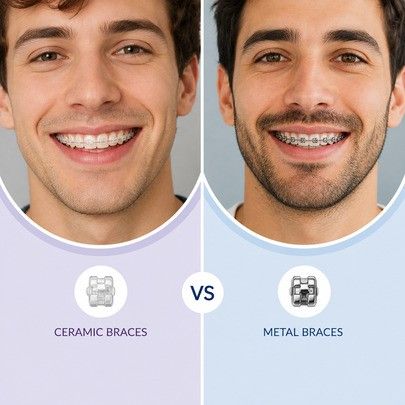
Ceramic braces sit on the front of the teeth in a tooth-coloured shade. They are less visible than metal but not hidden.
Read More: Can I Switch from Metal Braces to Invisalign in Aberdeen?
How to Choose Between Lingual and Traditional Braces
Lingual braces suit you if:
- Appearance is your top priority.
- Your case is mild to moderate.
- You can accept a higher cost and a short speech adjustment.
Traditional braces suit you if:
- Your case is complex.
- Cost and easy cleaning matter most.
- You want the widest choice of orthodontists.
Final Thoughts
Lingual braces and traditional braces can both correct many orthodontic problems. Lingual braces offer a more discreet appearance, while traditional braces are often more affordable and easier to inspect during cleaning.
The right choice depends on your bite, treatment goals, budget and personal preferences. Considering orthodontic treatment in Aberdeen? Book a consultation with Visage Orthodontics to discuss your options and find the right treatment for your smile.
Frequently Asked Questions
Hard, crunchy and sticky foods can damage braces or become trapped around the brackets. Choose softer foods when your teeth feel sore, and cut firmer foods into smaller pieces. Follow your orthodontist’s advice on foods to avoid during treatment.
Lingual braces are generally offered privately rather than as routine NHS orthodontic treatment. NHS orthodontic eligibility in Scotland depends on clinical need and applicable NHS criteria.
Adjustment appointments are commonly scheduled every six to eight weeks, although the interval depends on your treatment plan and the appliance used. Your orthodontist will tell you how often you need reviews and adjustments.
Yes. Retainers help prevent teeth from moving back towards their previous positions after treatment. Your orthodontist will recommend the type of retainer and explain how often and how long to wear it.
In some cases, lingual braces can be used to correct mild crowding or alignment issues affecting the front teeth. However, limited treatment is not suitable for everyone. An orthodontist must check whether moving only these teeth will achieve a stable result.