Getting braces can make eating uncomfortable, particularly during the first few days. Your teeth may feel tender, and biting into firm foods can be difficult. Choosing the right foods can help you eat comfortably while getting used to your braces.
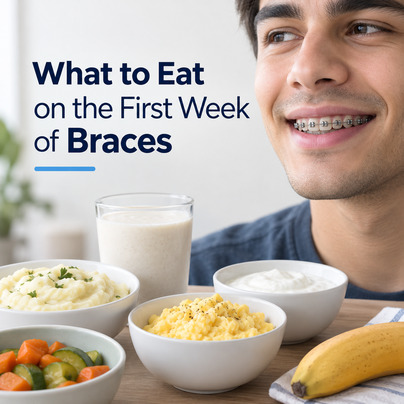
If you are wondering what to eat on the first week of braces, focus on soft foods that require little chewing. Options such as yoghurt, scrambled eggs, mashed potatoes, porridge and soft pasta can provide essential nutrients without putting unnecessary pressure on your teeth.
This guide explains what to eat during your first week, which foods to avoid and how to make mealtimes easier.
Why Is Eating Difficult During the First Week of Braces?
During braces treatment, braces apply gentle, continuous pressure to move your teeth into the correct position. This pressure can cause tenderness, particularly after your braces are first fitted or adjusted.
During the first few days, biting and chewing may feel uncomfortable. Your teeth might also feel sensitive when you eat firmer foods. This is normal for many people, and the discomfort usually improves over time.
Choosing soft foods for braces can make eating easier while your mouth adjusts. Foods that are easy to chew, such as soups, eggs, mashed vegetables and yoghurt, are useful choices.
You should also avoid hard, sticky and crunchy foods that can damage brackets or wires. A broken bracket may require an additional visit to your orthodontist.
Read More: Do Braces Move Your Teeth Every Day?
What to Eat in the First Week?
Your food choices can change throughout the week as your teeth become less sensitive. However, everyone adjusts at a different pace. Choose foods according to your comfort rather than following a strict timetable.
Day 1: Choose Very Soft Foods
On the first day, your teeth may feel tender, so choose foods that require very little chewing. Cool or lukewarm foods may also feel more comfortable than very hot meals.
Suitable options include:
- Plain yoghurt
- Mashed bananas
- Smooth soups
- Mashed potatoes
- Scrambled eggs
- Applesauce
- Smoothies without hard seeds or crunchy additions
Days 2–3: Eat Foods That Require Minimal Chewing
Your teeth may remain sore during the second and third days. If chewing is still uncomfortable, continue eating soft meals instead of rushing back to your usual diet.
Good options include:
- Porridge or oatmeal
- Soft pasta
- Creamy lentil soup
- Well-cooked rice
- Soft fish
- Mashed sweet potatoes
- Cottage cheese
Days 4–5: Gradually Add More Soft Meals
By days four and five, some people find chewing easier. If your teeth are becoming less sensitive, you can introduce a wider variety of soft foods.
Consider these options:
- Soft pancakes
- Tender chicken cut into small pieces
- Well-cooked vegetables
- Soft sandwiches with suitable fillings
- Macaroni and cheese
- Ripe, peeled fruit cut into small pieces
- Rice with soft-cooked lentils
Days 6–7: Expand Your Food Choices Carefully
Towards the end of the first week, eating may become more comfortable. You can gradually include more foods with a soft texture, provided chewing does not cause pain.
Suitable choices include soft bread, tender fish, cooked vegetables, pasta, rice, eggs and ripe fruit cut into small pieces.
You do not need to return to your normal diet by day seven. Continue choosing softer meals if your teeth are still sensitive. Avoid hard crusts, nuts, popcorn, sticky sweets and other foods that could damage your braces.
The aim is to maintain a balanced diet while protecting your orthodontic appliances. Follow your orthodontist’s advice about foods to avoid throughout treatment.
Read More: Do Braces Weaken Teeth?
Best Soft Foods to Eat With Braces
Choosing nutritious, soft foods can help you maintain a balanced diet during your first week. The best options are easy to chew and do not put unnecessary pressure on your brackets.
Breakfast Foods
Eggs, porridge, yoghurt and soft pancakes are practical breakfast choices. You can also eat ripe bananas or overnight oats that have softened properly. These soft foods for braces provide nutrients without requiring much chewing.
Lunch and Dinner
Try soups, mashed potatoes, soft pasta, well-cooked rice, tender fish and lentils. Cook vegetables until soft and cut meat into small pieces. These foods to eat with braces offer variety while keeping meals manageable.
Fruits, Snacks and Desserts
Choose ripe bananas, applesauce, soft melon, pudding and smooth yoghurt. Smoothies can also be useful, particularly when chewing is uncomfortable. Avoid adding nuts, hard seeds or crunchy toppings.
What Foods Should You Avoid During the First Week of Braces?
Some foods can cause pain, while others may loosen brackets or damage wires. Knowing what not to eat with braces can help prevent unnecessary problems.
- Hard foods: Avoid nuts, hard sweets, popcorn kernels and raw carrots.
- Sticky foods: Avoid chewing gum, toffee and caramel.
- Crunchy foods: Avoid crisps and hard biscuits, particularly while your teeth are sore.
- Foods that require biting: Do not bite directly into whole apples, corn on the cob or hard bread crusts.
Tips for Eating Comfortably With New Braces
A few simple habits can make meals easier during the first week.
- Cut food into small pieces before eating.
- Chew slowly and gently, using your back teeth where comfortable.
- Choose cool or lukewarm foods if your mouth feels sensitive.
- Drink plenty of water and limit sugary drinks.
- Brush carefully around brackets after meals to remove trapped food.
- Switch to softer foods if chewing becomes painful.
Read More: Are Self-Ligating Braces Faster Than Traditional Braces?
Final Thoughts
Knowing what to eat on the first week of braces can make the adjustment period easier. Start with soft foods, choose balanced meals and gradually expand your options as your teeth become less sensitive. Avoid foods that can damage brackets or wires, and follow your orthodontist’s instructions throughout treatment.
Frequently Asked Questions
Yes. Cold foods such as chilled yoghurt and smooth smoothies may feel soothing if your teeth are sensitive. Avoid very cold foods if they increase your discomfort, and choose whichever temperature feels most comfortable.
You do not need to eat only soft foods throughout orthodontic treatment. However, you should continue avoiding foods that can bend wires or loosen brackets, such as hard sweets, popcorn and sticky toffee. Your orthodontist can advise you on any additional restrictions.
Choose soft protein sources such as scrambled eggs, yoghurt, soft fish, lentils, beans cooked until tender and smooth nut butter. You can also add well-cooked lentils to soups or blend them into meals.
Spicy foods do not usually damage braces, but they may irritate sore areas inside your mouth. If your cheeks or gums feel sensitive, choose milder meals until the irritation settles. You can gradually return to your usual spice level when it feels comfortable.
Not everyone needs pain relief. If discomfort makes eating difficult, ask your orthodontist whether an appropriate painkiller is suitable for you.