Timing plays a major role in the success of orthodontic treatment. Whether for a child, teenager, or adult, understanding when braces are needed can improve comfort, results, and long-term oral health.
Why Do People Need Braces?
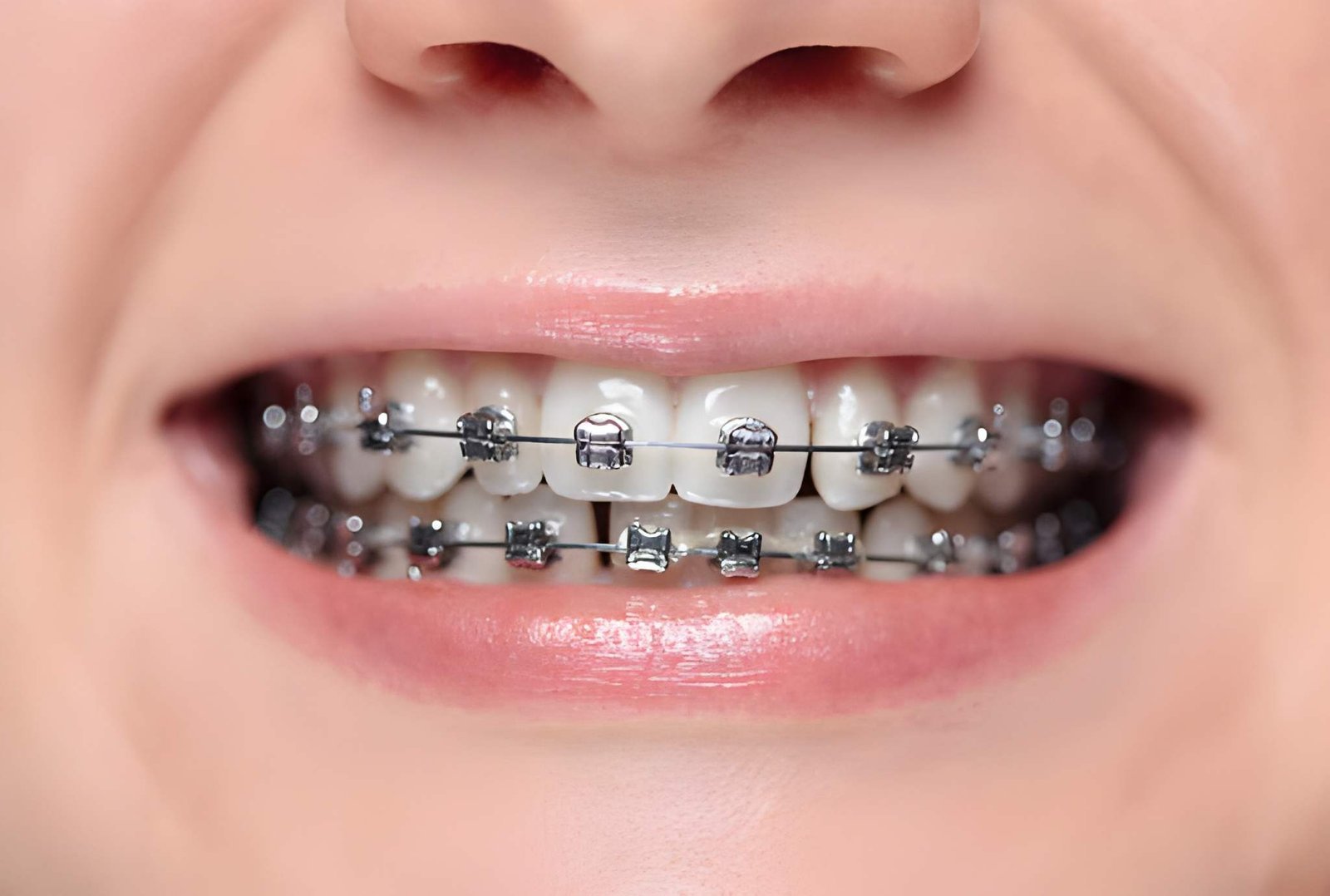
Braces for Adults Aberdeen are used to correct misaligned teeth, crowding, and bite problems such as overbite or underbite. These issues can affect chewing, speech, and confidence in daily life.
Orthodontic treatment helps by:
- Straightening teeth
- Improving bite alignment
- Making cleaning easier
- Enhancing smile appearance
Best Age for First Orthodontic Check-Up
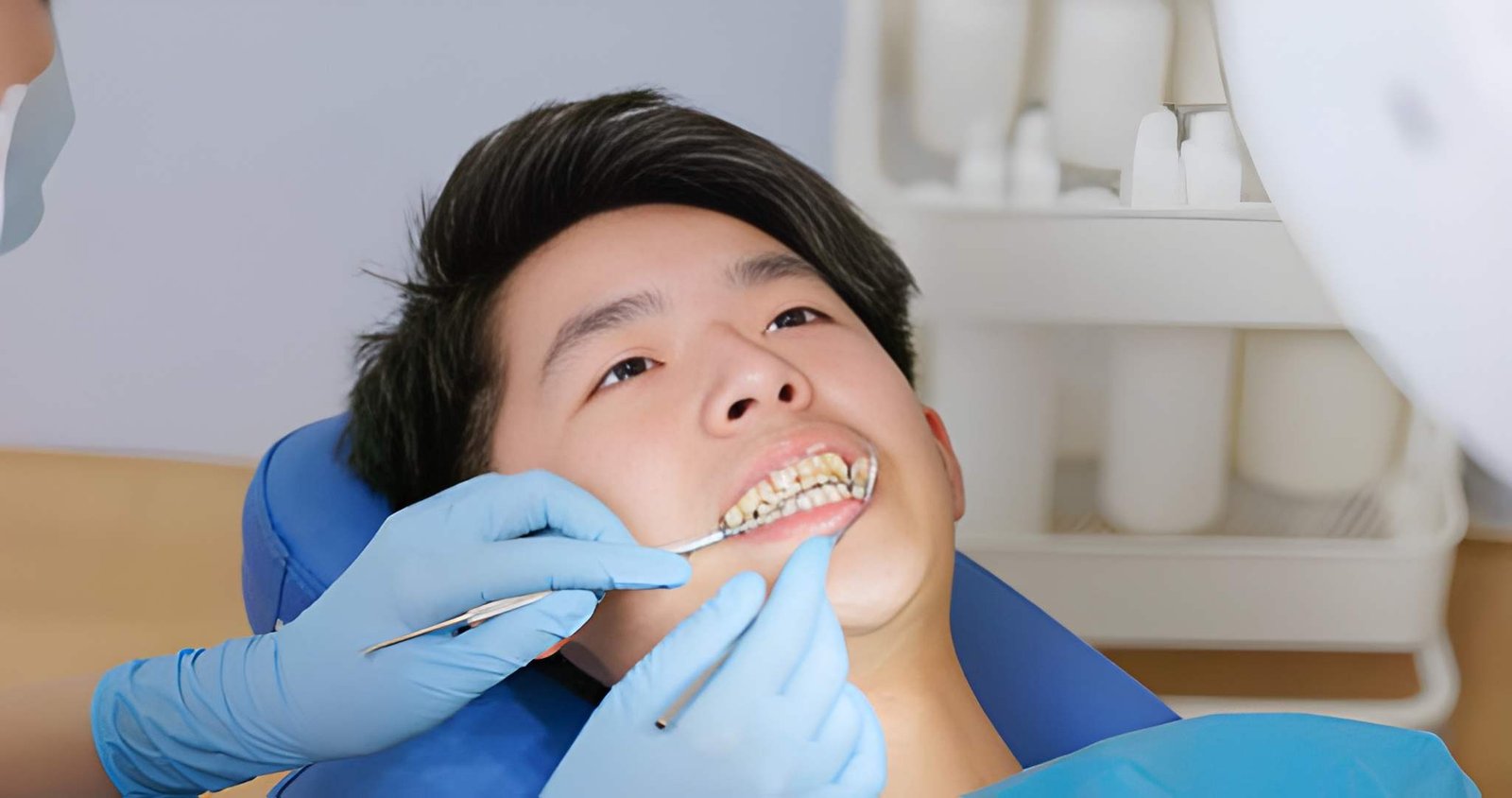
The recommended age for a first orthodontic assessment is around 7 years old.
At this stage:
- Adult teeth start to appear
- Jaw growth can be monitored
- Early problems can be detected
Early checks help prevent more complex treatment later.
Ideal Age for Braces Treatment
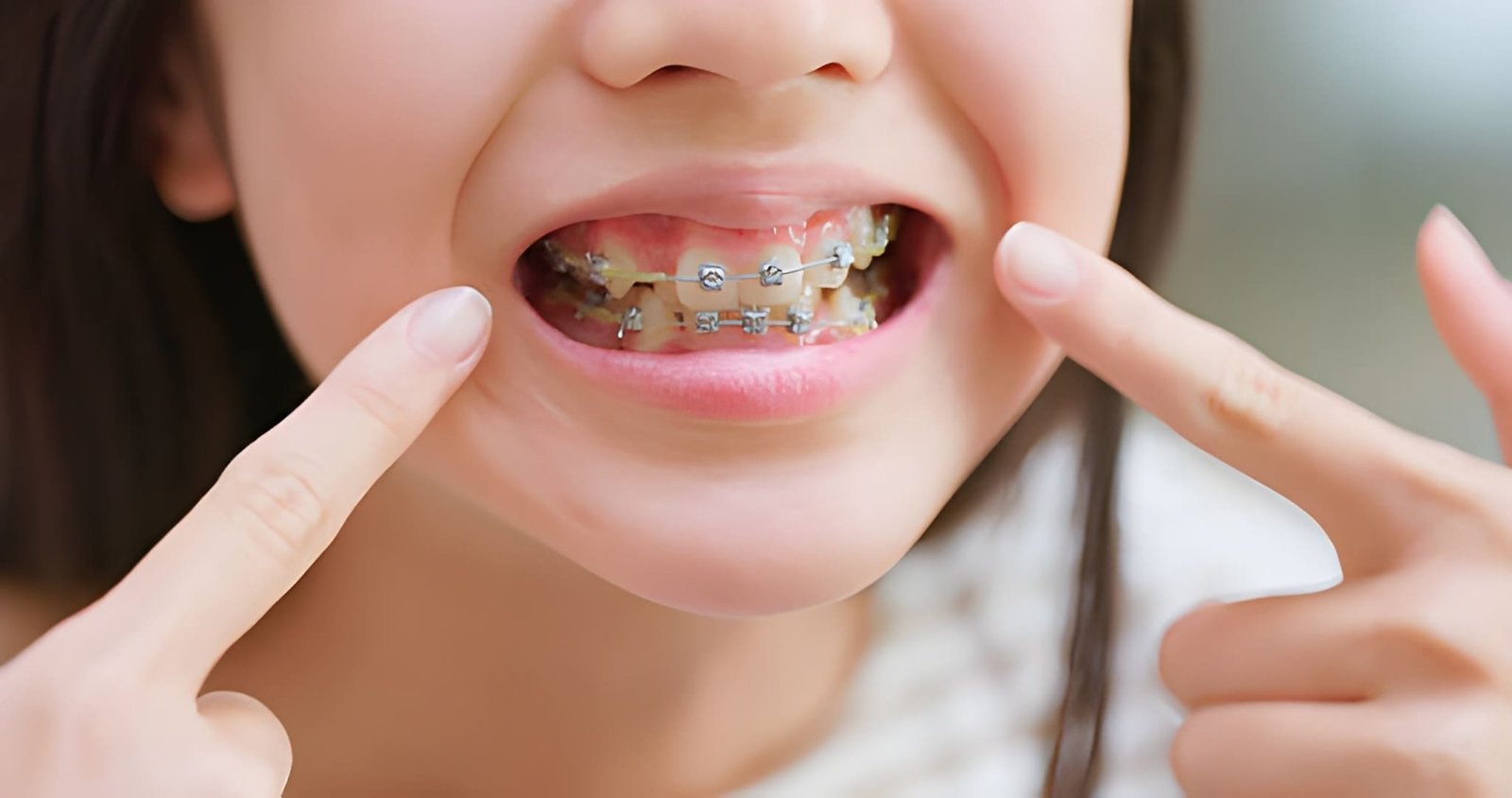
The most common age for braces is between 10 and 14 years.
At this stage:
- Most permanent teeth have come through
- Jaw is still developing
- Teeth move more easily into position
This often leads to faster and more effective results.
Can Teenagers Get Braces?
Yes. Teenagers are one of the most common groups for orthodontic treatment.
Benefits for teens include:
- Faster tooth movement
- Wide choice of braces options
- Improved long-term dental alignment
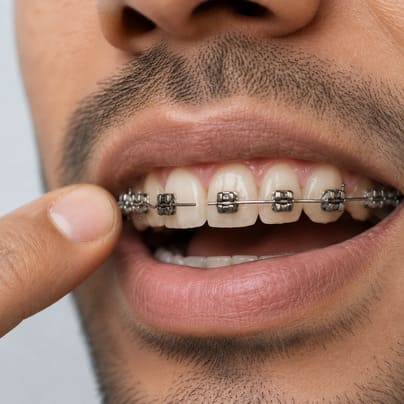
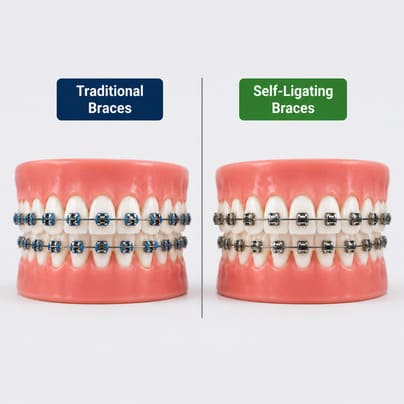
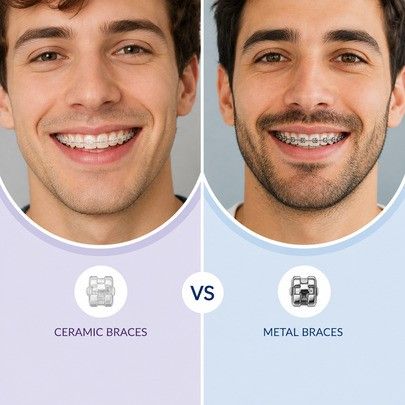
Options include metal braces, ceramic braces, and clear aligners.
What About Adults?
It is never too late to straighten teeth.
Adults can choose:
- Clear aligners
- Ceramic braces
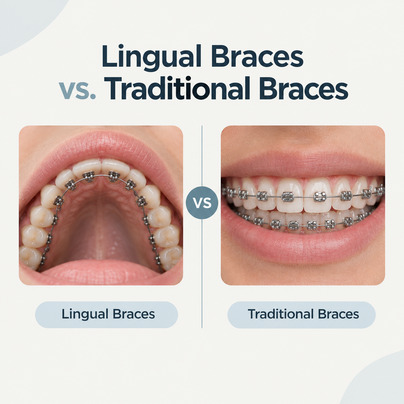
- Lingual (hidden) braces
Adult treatment is discreet and effective, improving both function and confidence.
Benefits of Early Treatment
Starting braces early can:
- Guide jaw development
- Reduce need for extractions
- Improve speech and chewing
- Prevent severe misalignment
Signs Braces May Be Needed
Look out for:
- Crooked or crowded teeth
- Large gaps
- Difficulty chewing
- Bite issues
- Thumb sucking beyond early childhood
Treatment Time for Braces
On average:
- Mild cases: 12 months
- Moderate to complex cases: 18–24 months
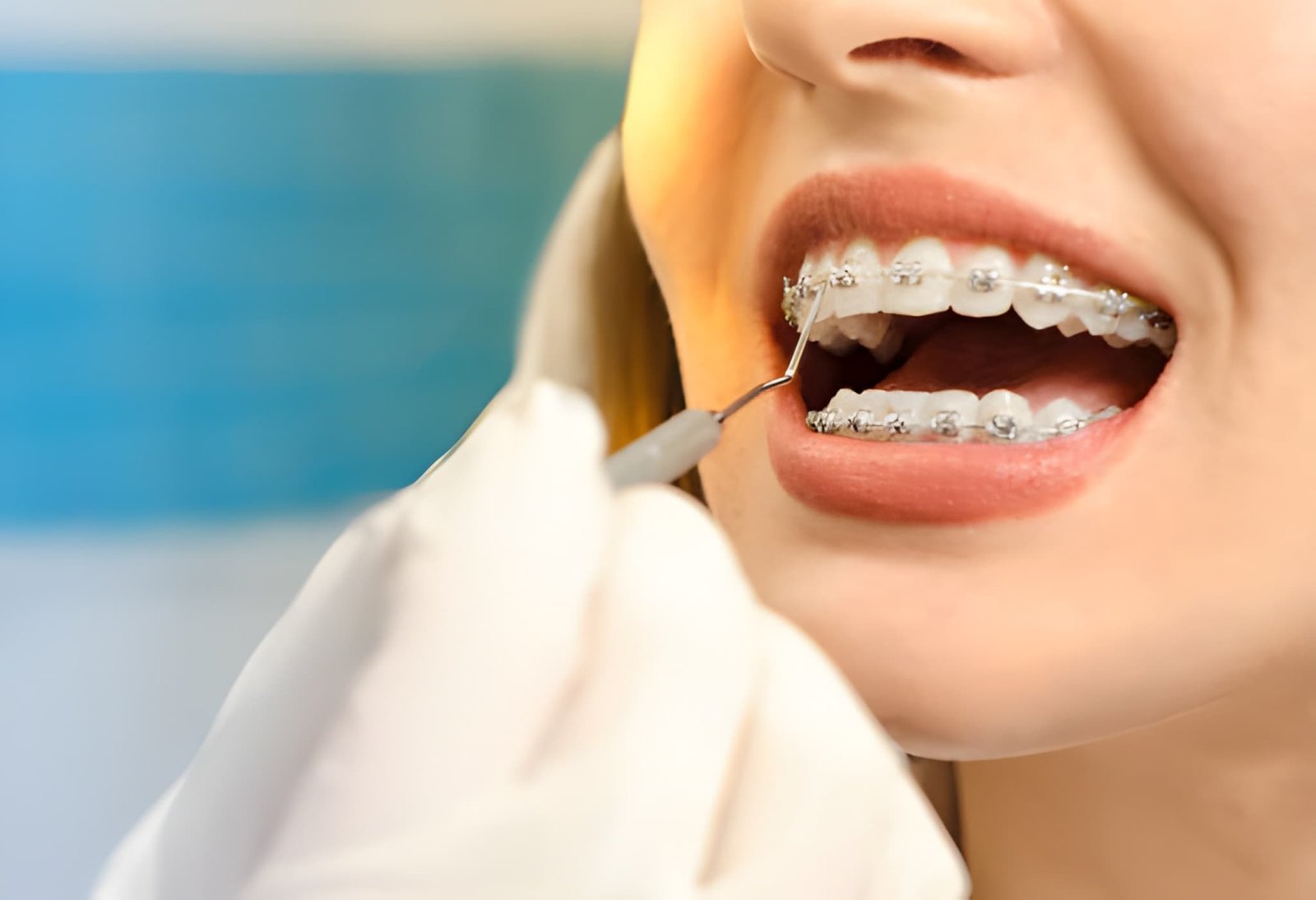
Regular visits help keep treatment on track.
Start Your Treatment Today
If you are considering Braces for Adults Aberdeen, the expert team at Visage Orthodontics can help you choose the right treatment for your smile. Book a consultation today and take the first step toward straighter teeth and improved confidence.
Frequently Asked Question
What is the best age to start braces?
Most children start treatment between 10 and 14 years, but early checks should begin at age 7.
Can adults get braces?
Yes, adults can successfully straighten teeth using clear aligners or discreet braces.
Are braces painful?
Mild discomfort is normal after adjustments, but usually settles within a few days.
How long does treatment take?
Most treatments take between 1 and 2 years, depending on complexity.
Do teeth move after braces?
Yes, retainers are needed to keep teeth in their new position.
Author Details
Written by: Orthodontic Content Team
Reviewed by: Specialist Orthodontists
Last Updated: April 2026
Conclusion
The best age for braces depends on individual dental development. Early assessment around age 7 helps detect problems, while treatment is most common between 10–14 years. However, orthodontic care is effective at any age.