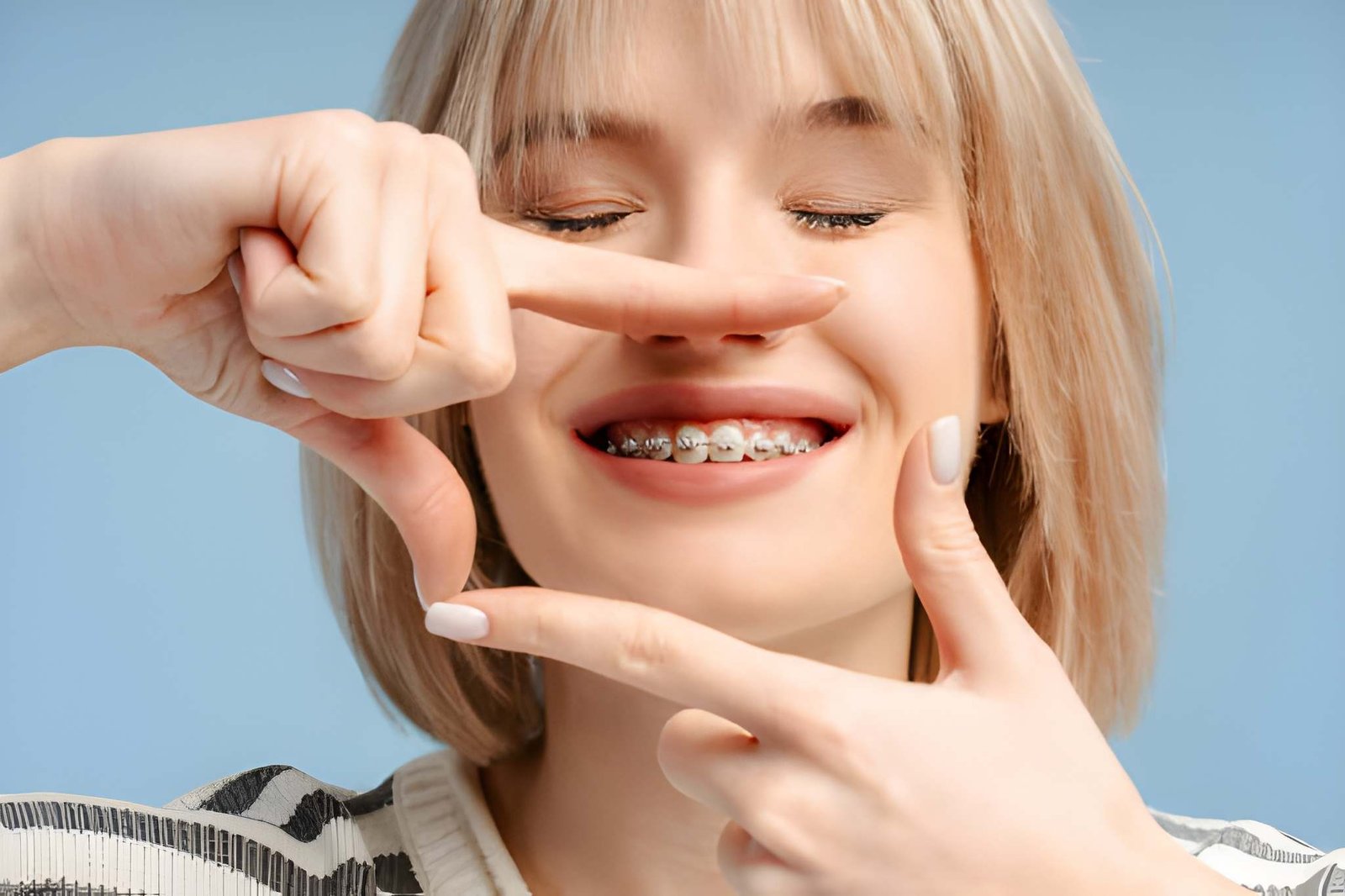
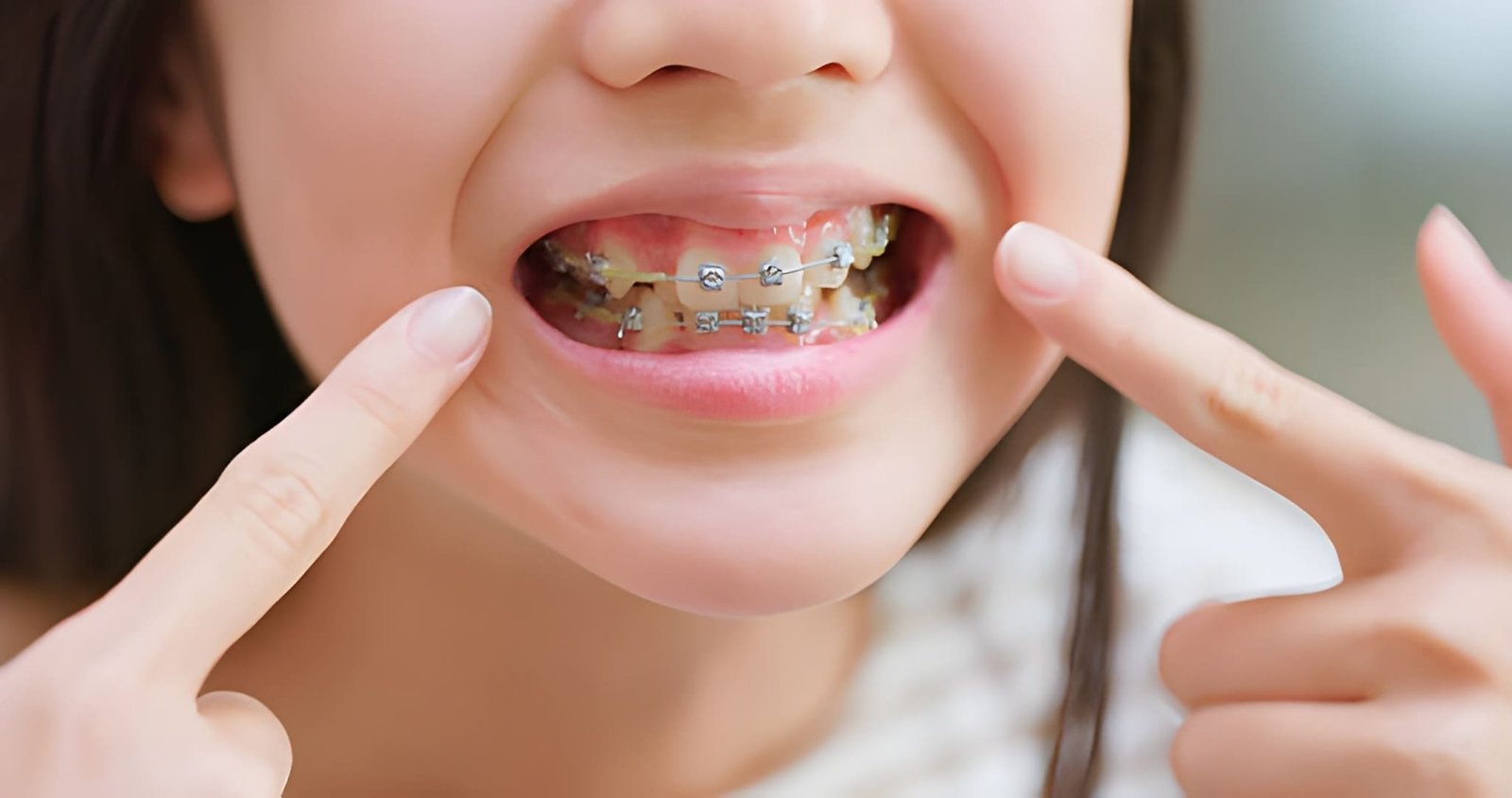
Braces are an effective way to achieve a straighter, healthier smile. However, discomfort is common, especially after adjustments or in the first few days of wear. Understanding why the pain occurs and knowing how to manage it can make the process much easier. Below, we explore simple, effective strategies for braces pain relief so you can stay comfortable while your teeth move into their desired positions.
Understanding Why Braces Cause Discomfort
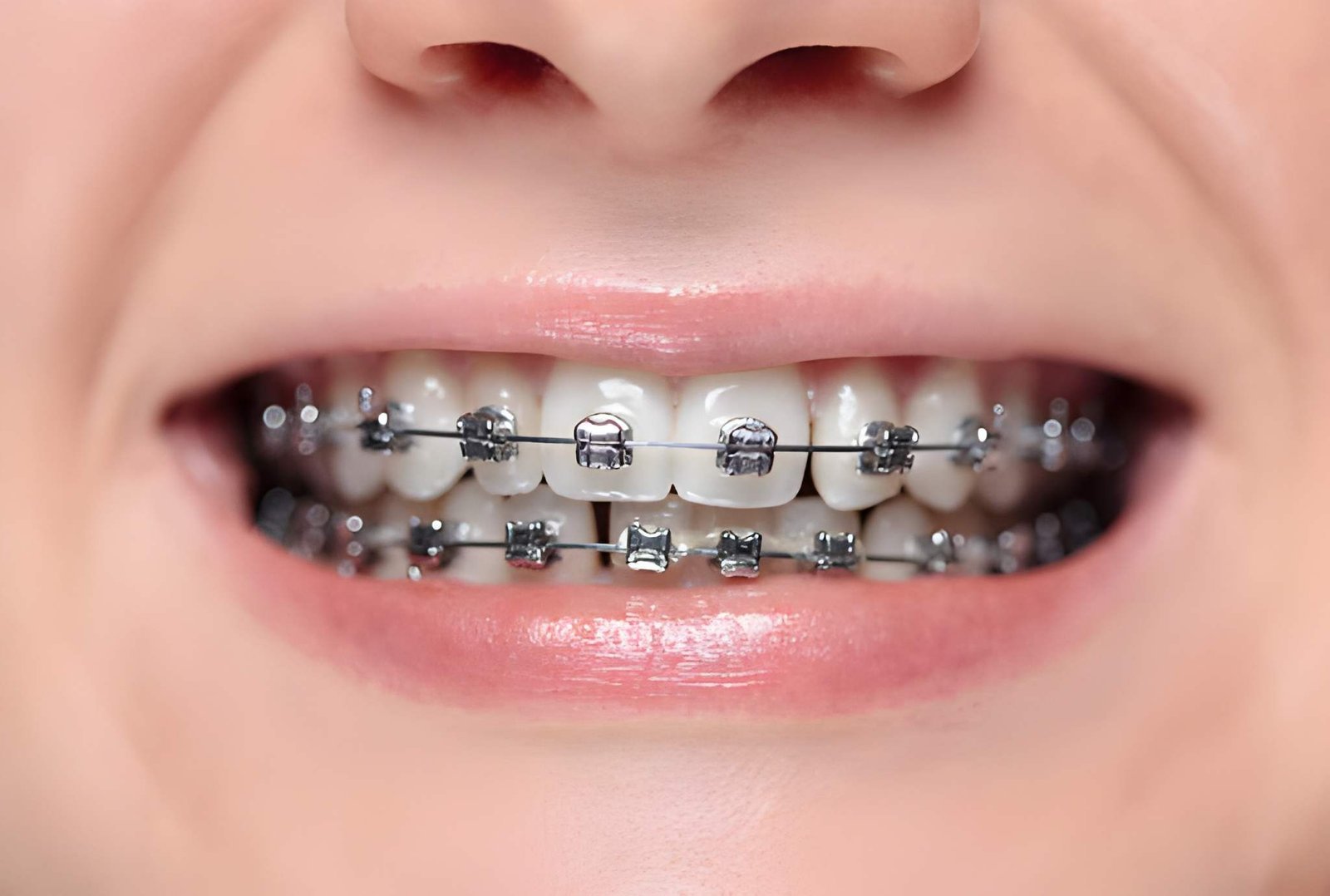
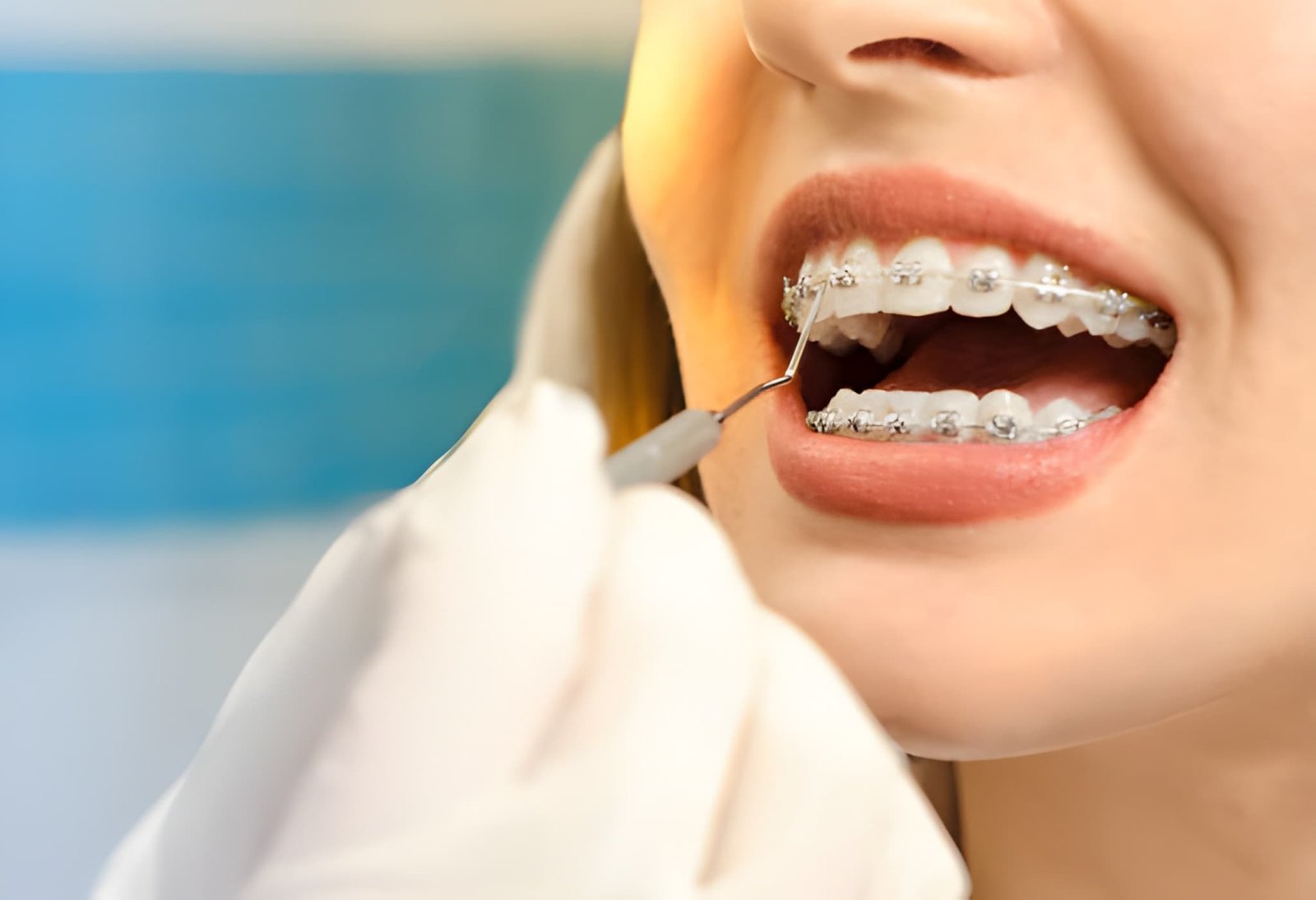
The pressure braces apply to teeth and gums causes irritation as they gradually shift into alignment. This tension on dental ligaments can lead to tenderness, aching, and soreness in both teeth and jaw. Additionally, brackets and wires may rub against the cheeks or tongue, resulting in minor abrasions or irritation. Fortunately, the discomfort usually diminishes within a few days as your mouth adapts.
Easy Remedies for Braces Pain Relief
There are several home-based remedies that can ease braces discomfort quickly. These safe and effective methods can help soothe soreness, reduce inflammation, and keep your mouth feeling its best.
Warm Saltwater Rinse
Rinsing your mouth with warm salt water helps reduce inflammation and promotes healing of any small sores caused by friction between braces and soft tissues. Mix a teaspoon of salt in a glass of warm water and gently swish for 30 seconds before spitting it out. Repeat several times daily for best results at Private & NHS Orthodontic Clinic in Aberdeen.
Cold Compresses and Ice Water
Cold therapy is one of the simplest ways to numb pain and reduce swelling. Holding an ice pack against your cheek or sipping ice-cold water for short intervals can help alleviate discomfort effectively.
Warm Compress or Heat Pad
For jaw stiffness or tension caused by braces adjustments, a warm compress can provide soothing relief. Apply a warm, damp towel or heat pad to the outside of your face for 10–15 minutes to relax muscles and improve comfort.
Hot Peppermint Tea Bags
Peppermint is known for its natural anti-inflammatory and pain-relieving properties. After steeping a peppermint tea bag, allow it to cool slightly and press it against sore areas inside your mouth for a few minutes. This remedy can help calm irritation and freshen your breath.
Gum Massage
Gently massaging your gums with clean fingers can stimulate blood flow and reduce tightness, speeding up recovery time from soreness. Do this using gentle, circular motions for a minute or two on sore spots.
Dental or Orthodontic Wax
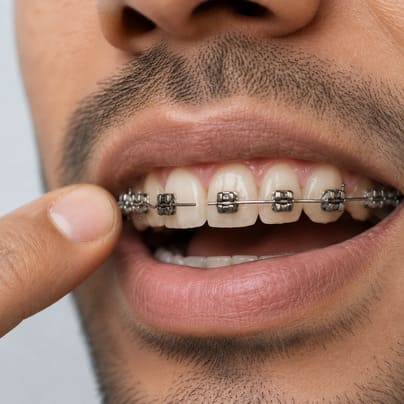
Orthodontic wax provides an immediate comfort solution for sharp brackets or wires rubbing against the mouth. Apply a small amount on problem spots to create a smooth barrier that prevents irritation.
Over-the-Counter Pain Relief
Taking pharmacy-based pain relievers can provide temporary relief when the soreness is most intense. Always follow dosage instructions and consult your pharmacist or orthodontist if you’re unsure which medication is most suitable.
Eating Without the Ache
Food choices significantly impact how comfortable you feel after getting braces or having them adjusted. Sticking to soft and soothing foods can help prevent unnecessary pressure on tender teeth.
Soft Food Choices
Opt for meals that require minimal chewing such as soups, mashed potatoes, smoothies, yoghurts, scrambled eggs, and finely cooked pasta. These foods reduce strain and make eating much easier during sensitive periods.
Foods to Avoid
Avoid sticky, hard, or chewy foods that can put extra stress on your braces or potentially damage them. Steer clear of chewy sweets, nuts, crusty bread, and anything that may pull at brackets or wires.
Making Adjustments More Comfortable
After your braces are tightened, mild discomfort is expected as new pressure is applied. Gentle self-care and consistent oral hygiene can make this transition smoother.
Rinsing and Cleaning Tips
Maintaining optimal dental hygiene helps prevent plaque build-up and gum irritation, which could increase pain. Use a soft-bristled toothbrush and fluoride rinse to gently clean around brackets. Interdental brushes or floss threaders can also help reach tight spaces.
Consistent Oral Hygiene
Sticking to a solid brushing and flossing routine not only reduces discomfort but also helps prevent cavities and stains. Always clean after meals to remove trapped food particles, which can aggravate tender gums
When the Pain Feels Too Much
While mild discomfort is entirely normal, severe or persistent pain should not be ignored. If sharp wires poke into the cheek or you notice significant swelling, contact your orthodontist promptly. Sometimes, adjustments can be tailored or minor repairs made to provide faster relief.
Time to Relieve Your Braces Pain
Although braces discomfort is temporary, it can disrupt daily life. Thankfully, most pain eases within a few days after each adjustment. Following the remedies and tips above will help make your orthodontic journey much smoother and more manageable. Remember, every small step brings you closer to a confident, healthy smile worth the effort.
Conclusion
Braces discomfort is a natural part of the teeth-straightening process, but with the right care and awareness, you can relieve pain quickly and keep your treatment on track at Visage Orthodontics. Regular oral hygiene, mindful food choices, and tried-and-tested home remedies work together to minimise irritation. Be patient, follow professional advice, and take pride in the progress towards your improved smile.
FAQs
How long does the pain usually last after tightening?
Most people experience mild soreness for two to three days, with any lingering sensitivity typically fading within a week as the teeth adjust.
Can I use a numbing gel for braces irritation?
Yes, applying a small amount of orthodontic-safe numbing gel can provide temporary relief for areas irritated by brackets or wires.
What foods help soothe braces pain?
Soft options like smoothies, soup, mashed vegetables, and yoghurts are excellent for soothing soreness while ensuring you still eat nutritious meals.
Is it normal for teeth to feel loose with braces?
Yes, a slightly loose feeling is completely normal because braces are shifting your teeth. This sensation reduces as the realignment process stabilises.
When should I contact my orthodontist about pain?
If pain becomes intense, you experience sores that don’t heal, or a wire or bracket breaks, contact your orthodontist as soon as possible for guidance or repair.
Call to Action: Ready to make your orthodontic experience more comfortable? Schedule a consultation with your local orthodontic team today and get expert support for your beautiful new smile.