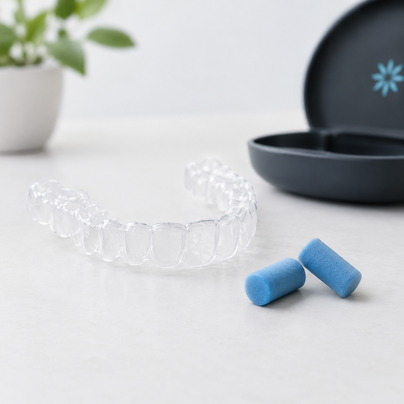
Invisalign treatment uses clear, removable aligners to gradually move teeth into their planned positions. However, teeth do not always move exactly as predicted. Some patients may need additional aligners after completing their initial treatment series. These are known as Invisalign refinements.
Refinements help address remaining alignment issues, such as small gaps, incomplete tooth movements or bite discrepancies. They involve a revised treatment plan based on the current position of the teeth.
Not every patient needs refinements. Their necessity depends on individual treatment progress and the orthodontist’s assessment. This guide explains why refinements are needed, how they work, how many additional trays may be required and what patients should expect.
What Are Invisalign Refinements?
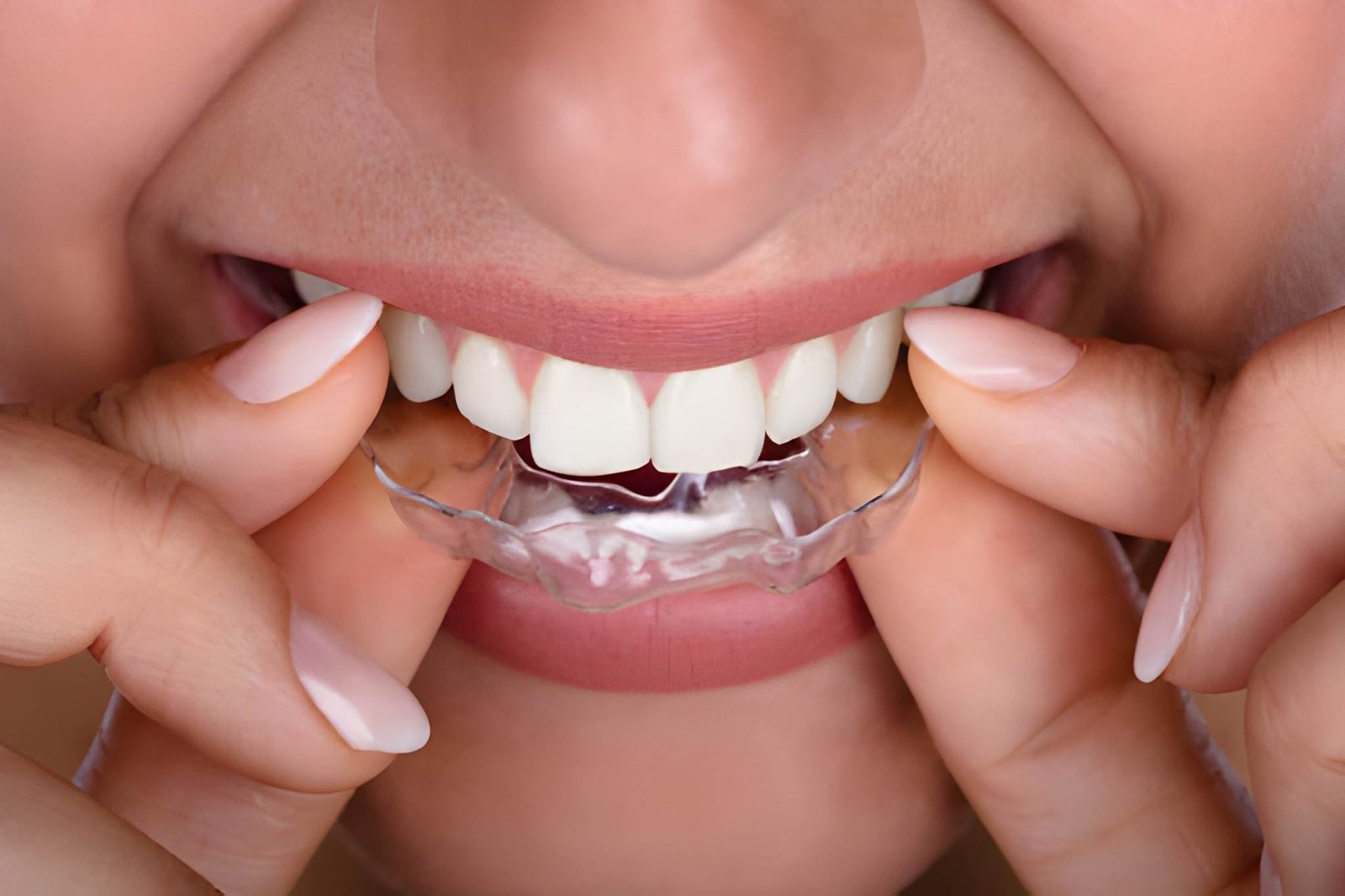
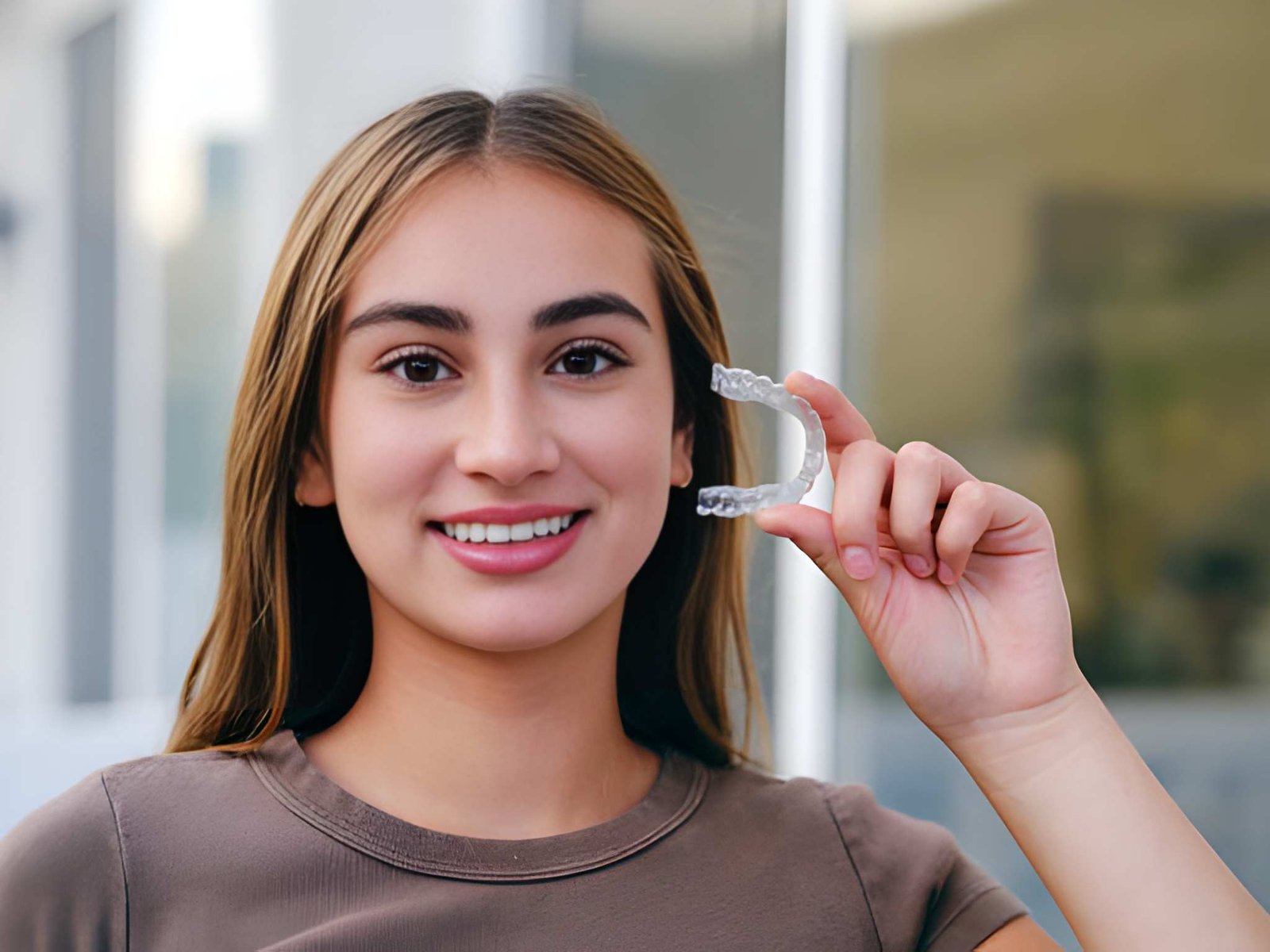
Invisalign refinements are additional sets of clear aligners prescribed after the initial series to correct tooth movements that remain incomplete. They allow orthodontists to make further adjustments when the original treatment has not achieved all the planned results.
During the initial treatment, patients wear a series of custom-made aligners. Each aligner applies controlled pressure to move specific teeth. However, biological responses vary, and some teeth may not respond as expected.
Refinement treatment begins with an assessment of the remaining movements. The orthodontist may take new digital scans or impressions and create an updated treatment plan. New aligners are then manufactured to address the outstanding corrections.
Unlike the initial aligners, which follow the original treatment plan, Invisalign refinement trays are designed around the teeth’s current positions. Their purpose is to improve alignment and achieve the agreed treatment goals.
Why Do You Need Invisalign Refinements?
There are several reasons why an orthodontist may recommend Invisalign refinements. The most common include:
Teeth Did Not Move as Expected
Tooth movement depends on biological factors, including bone remodelling and individual response to orthodontic pressure. Some teeth may move more slowly than anticipated. Refinements can address these remaining movements.
Incomplete Tooth Rotation
Rotating certain teeth can be challenging, particularly when they have complex root positions or limited space. Additional aligners may be needed to improve their final orientation.
Remaining Gaps Between Teeth
Small spaces may remain after the initial aligner series. Refinement trays can apply further controlled pressure to close suitable gaps and improve overall alignment.
Bite Alignment Issues
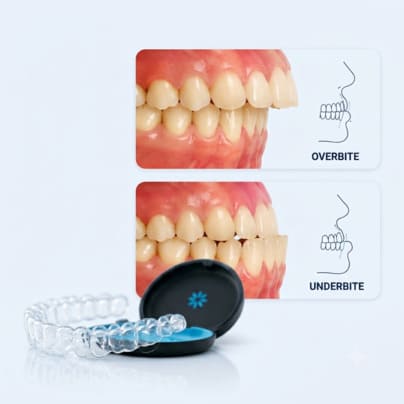
Some patients may still have bite discrepancies after their initial treatment. These can include uneven contact between upper and lower teeth. An orthodontist must assess whether further aligner treatment can correct the problem.
Inconsistent Aligner Wear
Invisalign treatment requires consistent wear. Invisalign generally recommends wearing aligners for 20–22 hours daily. Removing them too frequently or not following the prescribed change schedule can affect tooth movement and contribute to tracking problems.
A UK and Ireland survey of orthodontists reported a median estimate that 90% of their clear aligner cases required a refinement phase. This figure reflects clinicians’ reported experience, not a universal rate for all Invisalign patients.
How Do Invisalign Refinements Work?
The Invisalign refinement process involves several steps to identify and correct remaining tooth movements.
Initial Assessment and New Scans
The orthodontist examines the teeth and checks how closely they follow the original treatment plan. New digital scans or impressions may be taken to record their current positions.
Revised Treatment Plan
The orthodontist uses the updated records to plan the remaining movements. The revised plan is reviewed before new aligners are manufactured.
Wearing New Refinement Trays
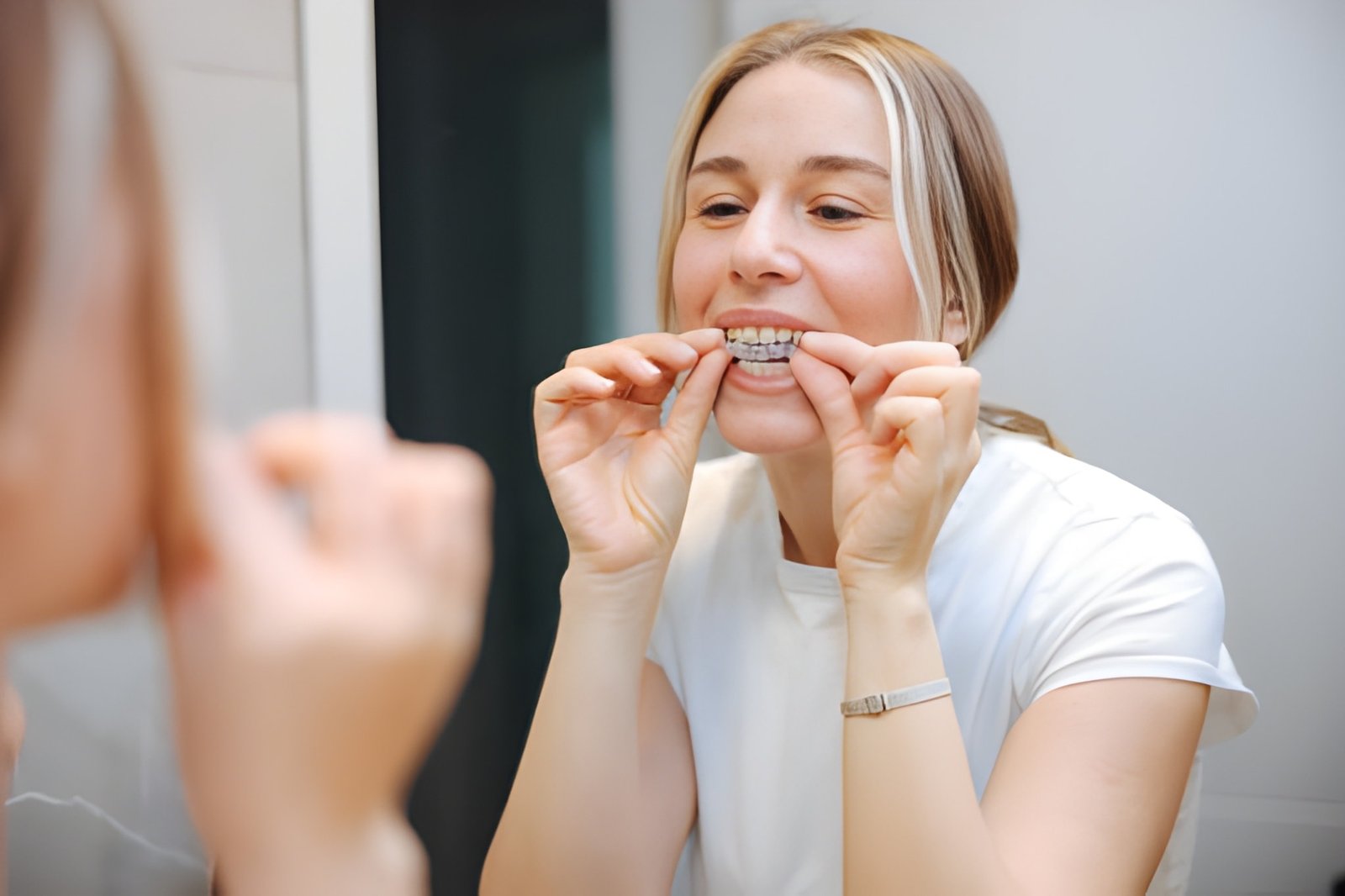
Patients receive additional aligners and follow the prescribed wearing schedule. Invisalign generally recommends 20–22 hours of daily wear unless the orthodontist advises otherwise.
How Many Invisalign Refinements Are Normal?
There is no fixed number of Invisalign refinements required for every patient. Some need one additional series, while others may require multiple rounds.
The number depends on:
- The complexity of the original alignment issues.
- How accurately teeth followed the initial plan.
- Patient compliance with aligner instructions.
- The amount of movement still required.
How Long Do Invisalign Refinements Take?
The time required for Invisalign refinements depends on the number of additional aligners and the complexity of the remaining corrections.
Refinement treatment commonly adds around three to six months, although individual timelines vary.
Consistent aligner wear and regular orthodontic appointments help keep treatment on schedule. Your orthodontist will provide an estimated completion date based on your revised treatment plan.
Do Invisalign Refinements Cost Extra?
The Invisalign refinement cost depends on your treatment package and the agreement with your dental provider.
Some comprehensive treatment packages include additional aligners within specified terms. Other packages may have limitations or additional fees.
Before starting treatment, ask your orthodontist:
- Are additional refinement trays included in my package?
- How many refinement rounds are covered?
- Will further treatment involve additional fees?
- Are there any time limits on ordering additional aligners?
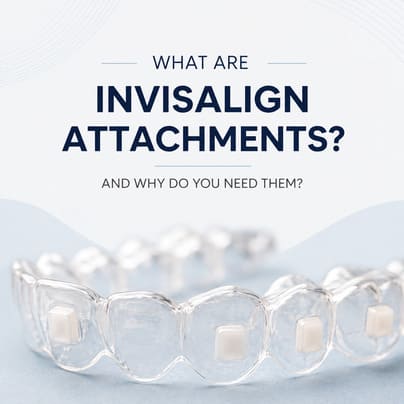
Read More: What Are Invisalign Attachments and Why Do You Need Them?
What Happens After Invisalign Refinements Are Complete?
Once the remaining tooth movements are addressed, your orthodontist checks the final alignment and bite. If the treatment goals have been achieved, active aligner treatment can end.
Patients then receive retainers to maintain their results. Teeth can gradually shift after orthodontic treatment, so following the prescribed retainer schedule is important.
Final Thoughts
Invisalign refinements help address tooth movements that remain incomplete after the initial aligner series. Although not every patient needs them, they can be an important part of achieving the planned results. Regular appointments, consistent aligner wear and proper retainer use all contribute to successful orthodontic treatment.
Need Further Adjustments to Your Invisalign Treatment?
If your teeth have not moved as expected or you have concerns about your final alignment, speak to an experienced orthodontist. At Visage Orthodontics, our specialist team can assess your progress and discuss suitable treatment options. Contact us to arrange a consultation.
Frequently Asked Questions
Yes, your orthodontist may ask you to continue wearing your last aligner while the new trays are being manufactured. This helps prevent unwanted tooth movement. Follow your orthodontist’s instructions about how often to wear it.
Yes. Some refinement plans use existing attachments, while others require new ones or changes to their positions. Attachments help aligners apply the forces needed for specific tooth movements. Your orthodontist will decide whether additional attachments are necessary.
Small spaces between an aligner and a tooth can occur during planned tooth movement. However, noticeable gaps or bubbles may indicate poor tracking or an incorrect fit. Contact your orthodontist rather than trying to adjust the tray yourself.
Yes. Some refinement plans include interproximal reduction (IPR), a procedure that removes a small, controlled amount of enamel between selected teeth to create space. It is only performed when clinically appropriate and recommended by the orthodontist.
No. Refinements are an additional stage of orthodontic treatment, not necessarily a sign of failure. Tooth movement varies between individuals, and additional adjustments may be needed to achieve the intended result.