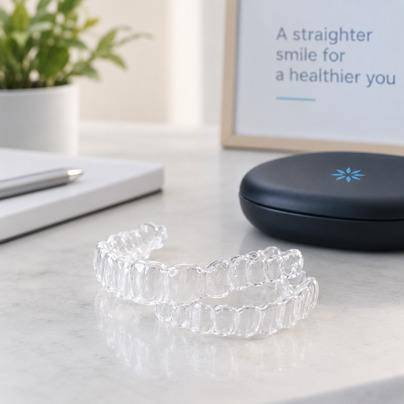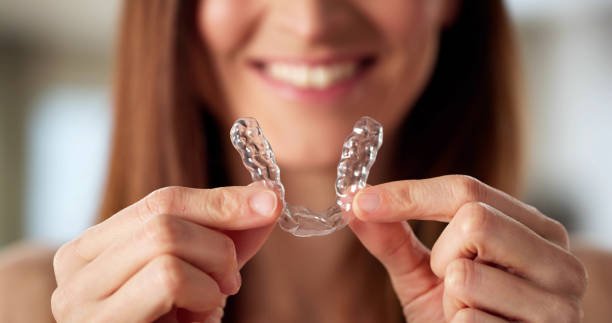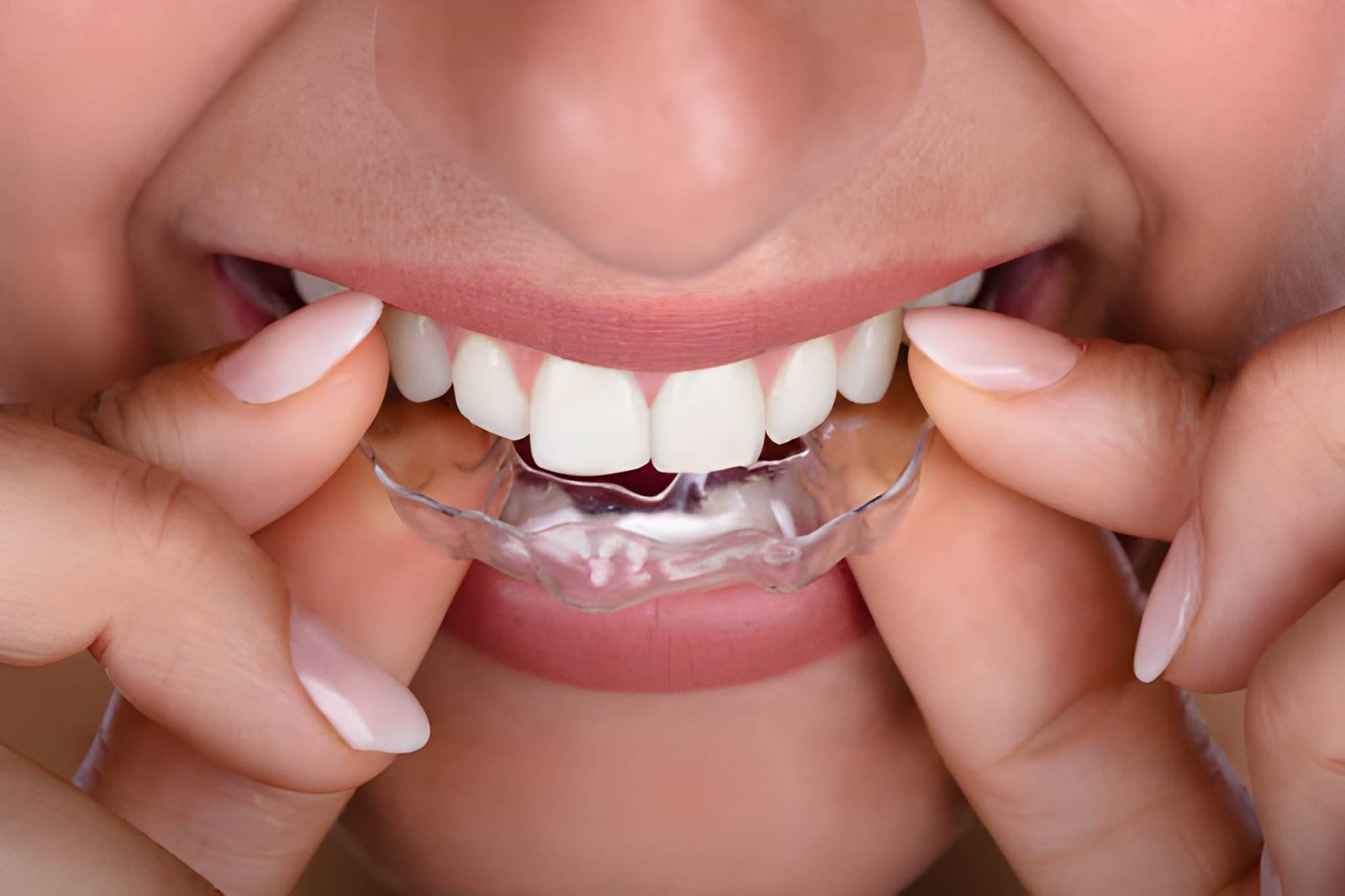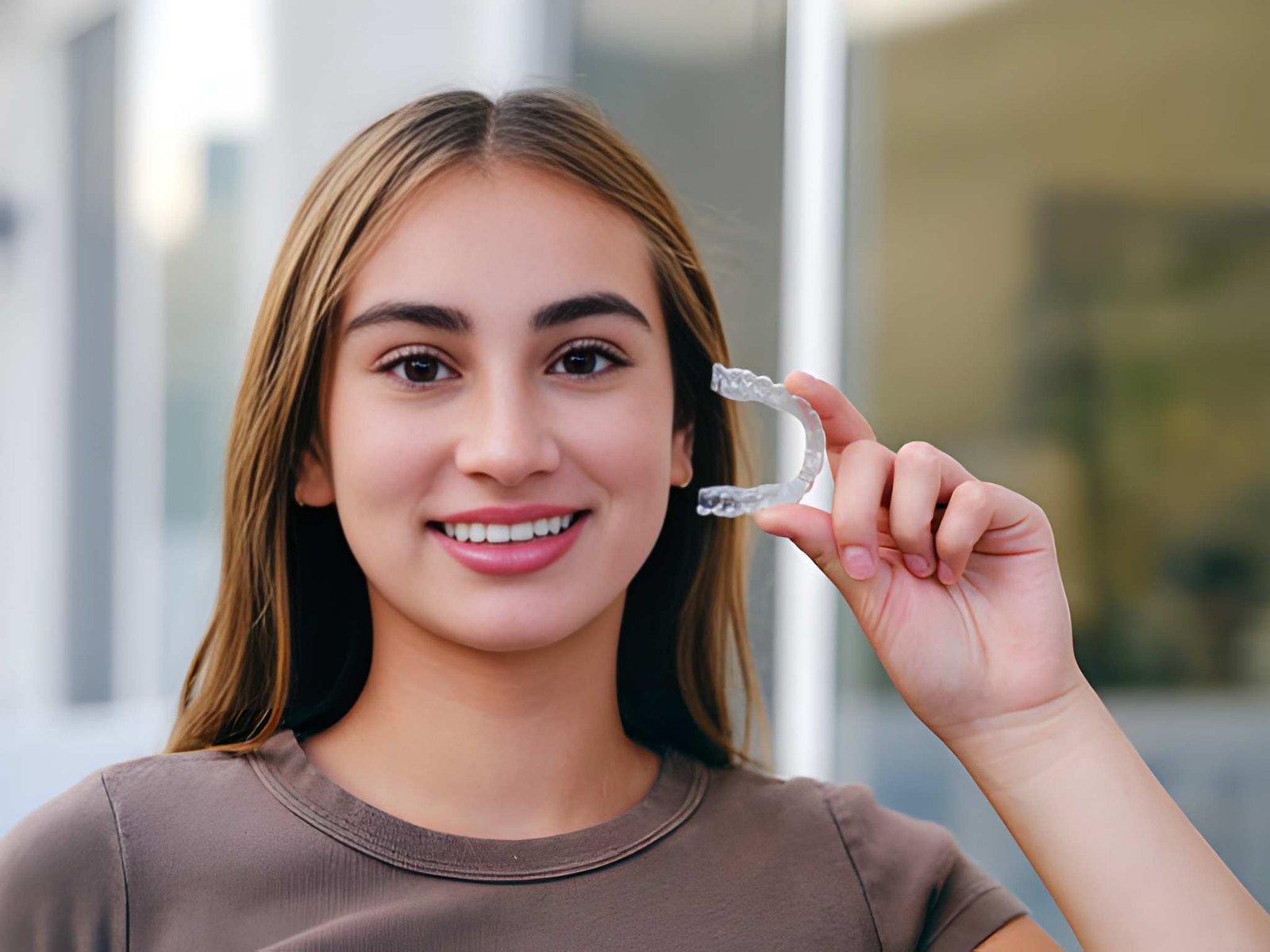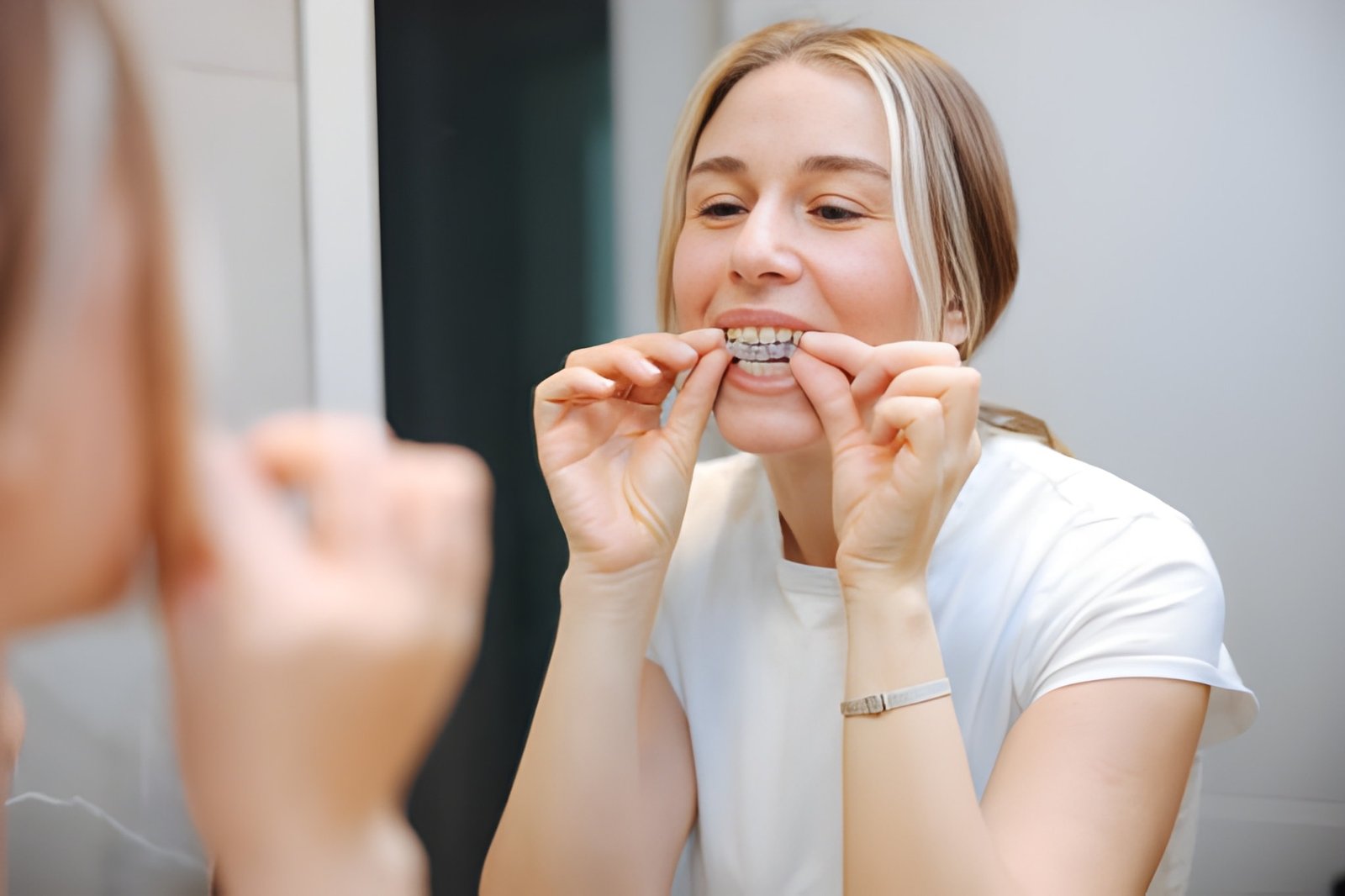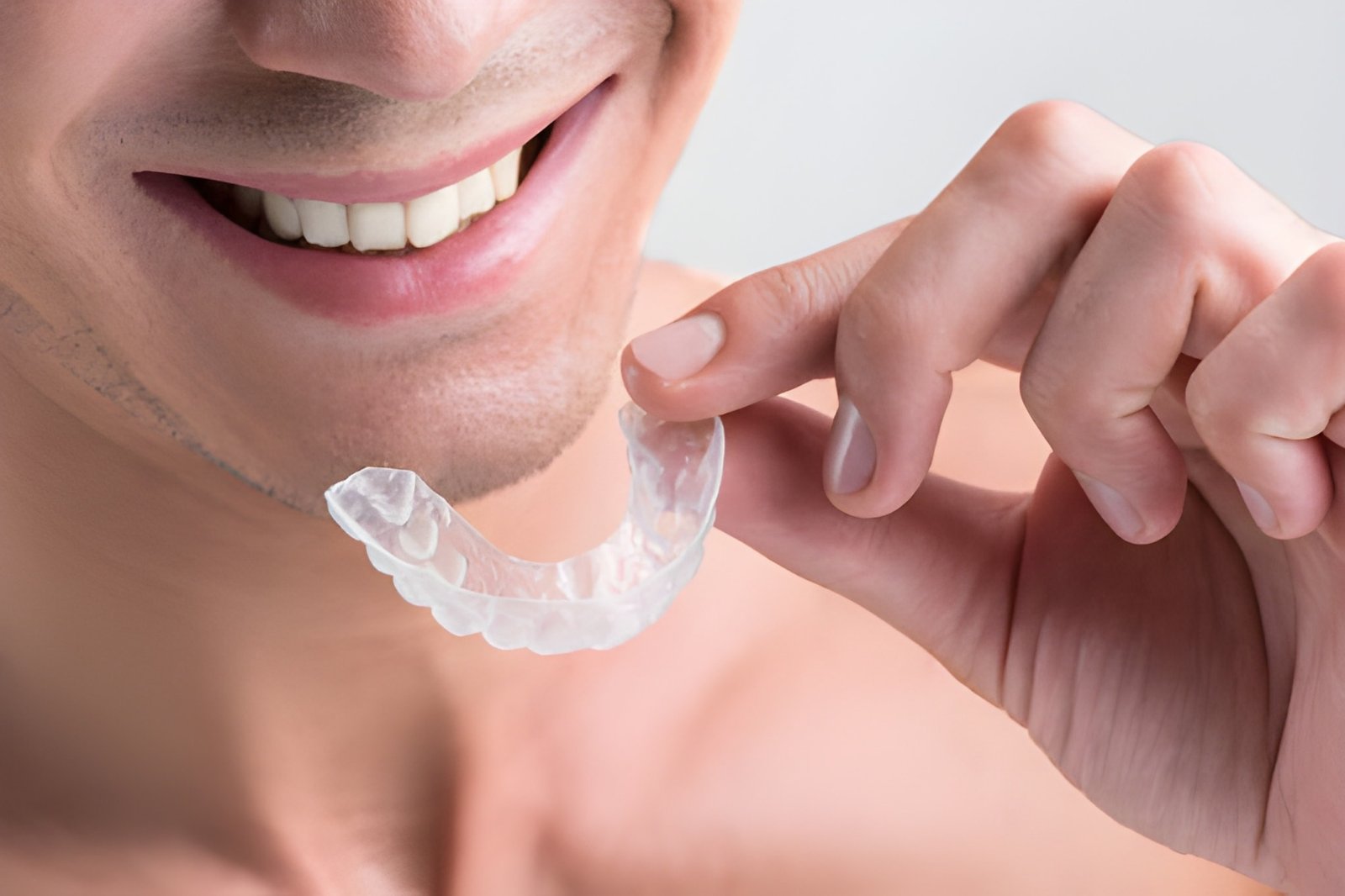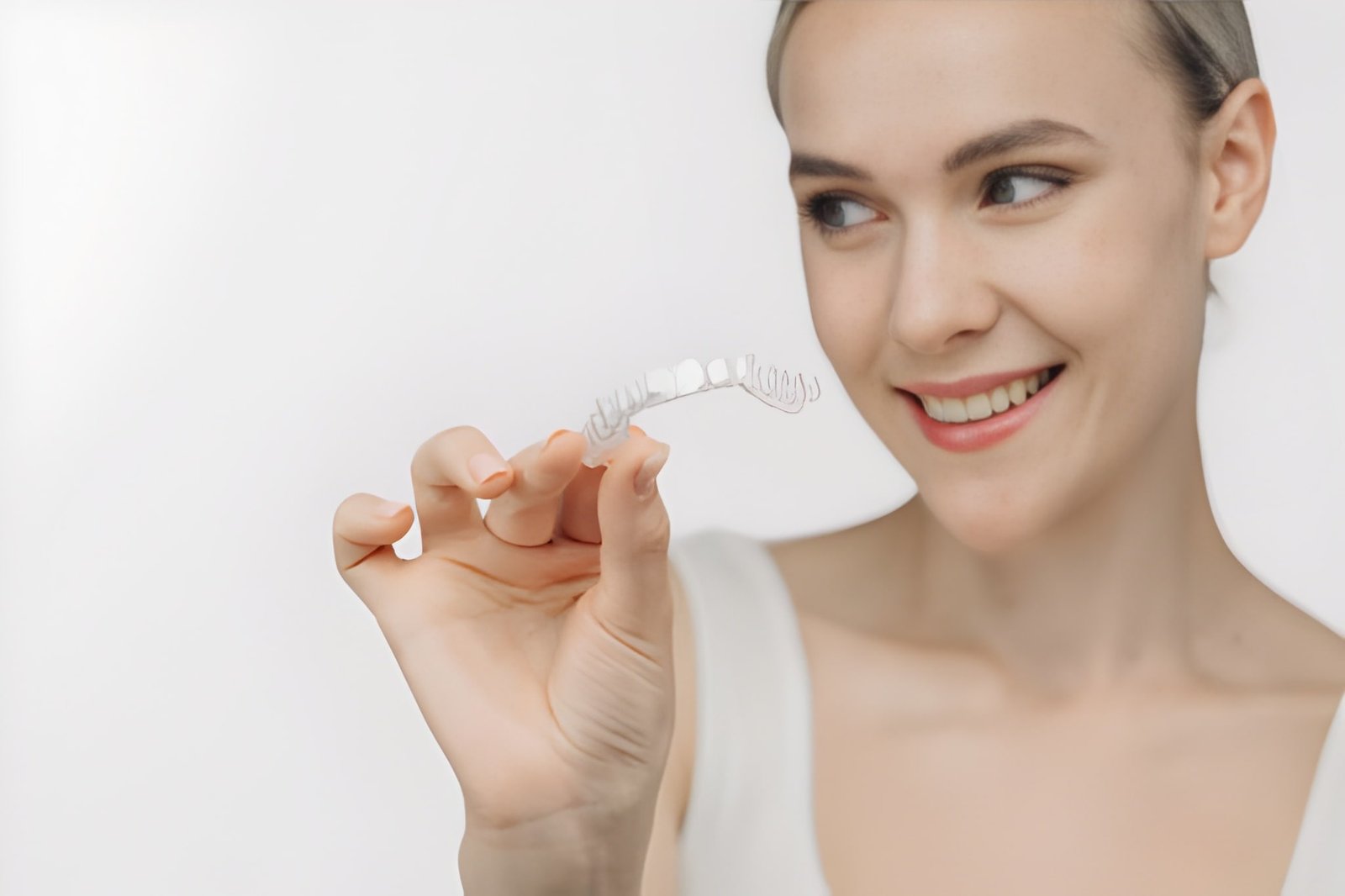
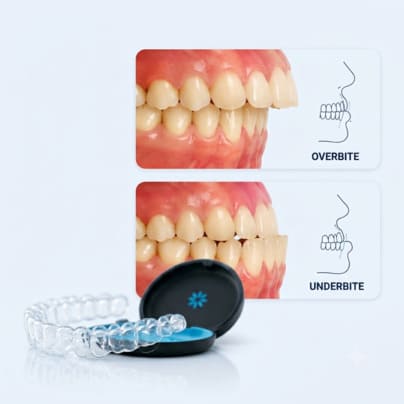
If you’re wondering can Invisalign fix an overbite or underbite, the answer is yes for many mild to moderate cases. Invisalign uses a series of custom-made clear aligners to gradually move teeth into better alignment, improving both the appearance and function of your smile.
However, not every bite problem can be treated with clear aligners alone. The success of treatment depends on the cause and severity of the bite issue. In this guide, you’ll learn how Invisalign treats overbites and underbites, who is a suitable candidate and when alternative treatments may be recommended.
What Is an Overbite?
An overbite is when the upper front teeth overlap the lower front teeth more than normal when the mouth is closed. A small amount of overlap is healthy, but an excessive overbite can lead to dental and jaw problems if left untreated.
Many people choose Invisalign for overbite treatment because it offers a discreet alternative to traditional braces while effectively correcting many bite issues.
Common Causes of an Overbite
An overbite can develop for several reasons, including:
- Genetics
- Thumb sucking during childhood
- Prolonged dummy or pacifier use
- Tongue thrusting
- Teeth grinding
- Missing or crowded teeth
Signs and Symptoms
Depending on its severity, an overbite may cause:
- Difficulty biting or chewing food
- Jaw pain or discomfort
- Excessive wear on the front teeth
- Speech difficulties
- An uneven smile
What Is an Underbite?
An underbite occurs when the lower front teeth sit in front of the upper front teeth. This changes the way the teeth fit together and can affect both oral function and facial appearance.
Some patients consider Invisalign for underbite treatment because it provides a removable and almost invisible alternative to traditional braces.
Common Causes of an Underbite
An underbite can be caused by:
- Genetics
- An underdeveloped upper jaw
- An overdeveloped lower jaw
- Childhood habits that influence jaw growth
- Missing teeth
Signs and Symptoms
An underbite may lead to:
- Difficulty chewing certain foods
- Speech problems
- Jaw discomfort
- Uneven tooth wear
- Changes in facial profile
Can Invisalign Fix an Overbite?
Yes, Invisalign can correct many mild to moderate overbites by gradually moving the teeth into better alignment. Whether treatment is suitable depends on the underlying cause of the bite problem.
If the overbite is mainly caused by the position of the teeth, Invisalign is often an effective option. If it is caused by the position or size of the jaw, additional treatment such as fixed braces or orthognathic surgery may be recommended.
Which Types of Overbites Can Invisalign Treat?
Invisalign is generally suitable for:
- Mild overbites
- Moderate overbites
- Many dental overbites caused by tooth positioning
- Selected complex cases under the supervision of an experienced Invisalign provider
Can Invisalign Fix an Underbite?
The answer depends on what is causing the underbite.
Many dental underbites can be improved by moving the teeth into better alignment with Invisalign. However, if the condition is caused by the position of the jaw bones, clear aligners alone may not provide the desired result.
Patients often ask does Invisalign fix underbite, but the best way to determine suitability is through a full clinical assessment and digital scan.
Learn more: The Invisalign® Treatment Process Explained by Aberdeen Experts
How Invisalign Corrects Bite Problems?
Successful Invisalign bite correction involves more than simply straightening teeth. Every treatment starts with a digital scan, allowing your dentist to create a personalised plan based on your bite and tooth position.
The treatment process typically includes:
- A digital assessment to plan tooth movement.
- A series of custom-made aligners worn for 20–22 hours a day.
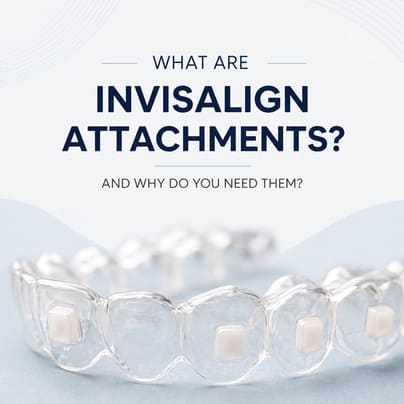
- Attachments or elastics where additional control is needed.
- Regular check-ups to monitor progress.
- Retainers after treatment to help maintain the new bite.
Invisalign vs Braces for Overbite and Underbite
Both Invisalign and traditional braces can treat bite problems, but the most suitable option depends on the complexity of your case.
| Invisalign | Traditional Braces |
| Nearly invisible | More noticeable |
| Removable for eating and brushing | Fixed to the teeth |
| Easier to maintain oral hygiene | More difficult to clean around brackets |
| Comfortable with no metal wires | May cause irritation after adjustments |
| Suitable for many mild to moderate bite problems | Often preferred for severe or complex cases |
Learn more: Can Braces Help Correct Jaw Alignment Problems?
How Long Does Invisalign Take to Correct an Overbite or Underbite?
Treatment time varies from person to person and depends on the severity of the bite problem.
As a general guide:
- Mild cases: around 6-12 months
- Moderate cases: around 12-18 months
- More complex cases: 18-24 months or longer
Is Invisalign Right for Everyone?
Although Invisalign is suitable for many patients, it isn’t the best option for every bite problem.
You may be a good candidate if you have:
- A mild to moderate overbite or underbite
- Healthy teeth and gums
- Good commitment to wearing aligners as instructed
- Bite problems mainly caused by tooth position rather than jaw structure
Pros and Cons of Invisalign
Like any orthodontic treatment, Invisalign has both advantages and limitations.
Pros
- Clear and discreet appearance
- Removable for meals and oral hygiene
- Comfortable with no metal brackets or wires
- Fewer emergency appointments
- Custom treatment planning using digital technology
Cons
- Requires consistent wear for the recommended number of hours
- Not suitable for every severe bite problem
- Attachments or elastics may still be required
- Retainers are needed after treatment to maintain results
Final Thoughts
Invisalign is an effective treatment for many mild to moderate overbites and underbites. It uses clear aligners to move teeth gradually, improving both bite function and smile appearance. However, not every case is suitable for clear aligners alone, particularly when the problem involves the jaw rather than the teeth.
If you’re considering Invisalign treatment in Aberdeen, the team at Visage Orthodontics can assess your bite and recommend the most suitable solution. Book a consultation to take the first step towards a healthier, more confident smile.
Frequently Asked Questions
Yes, Invisalign can correct many mild to moderate overbites by gradually moving the teeth into better alignment. However, severe overbites caused by jaw position may require braces, jaw surgery or a combination of treatments.
It can in some cases. If the underbite is caused mainly by the position of the teeth, Invisalign may be enough. If it’s caused by the jaw bones (a skeletal underbite), surgery may still be recommended.
Treatment usually takes between 12 and 24 months, although mild cases may be completed sooner. The exact timeline depends on the complexity of your bite and how consistently you wear your aligners.
For many mild to moderate bite problems, Invisalign can be just as effective as braces. However, braces are often a better choice for severe or complex cases that require greater control over tooth movement.
No. Invisalign moves teeth, not the jaw bones. While correcting tooth position improves your bite and facial appearance, significant jaw discrepancies may require orthognathic surgery.