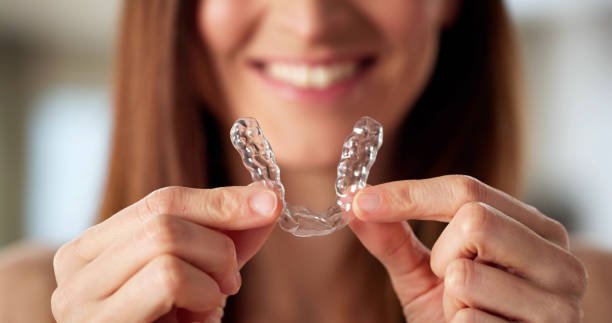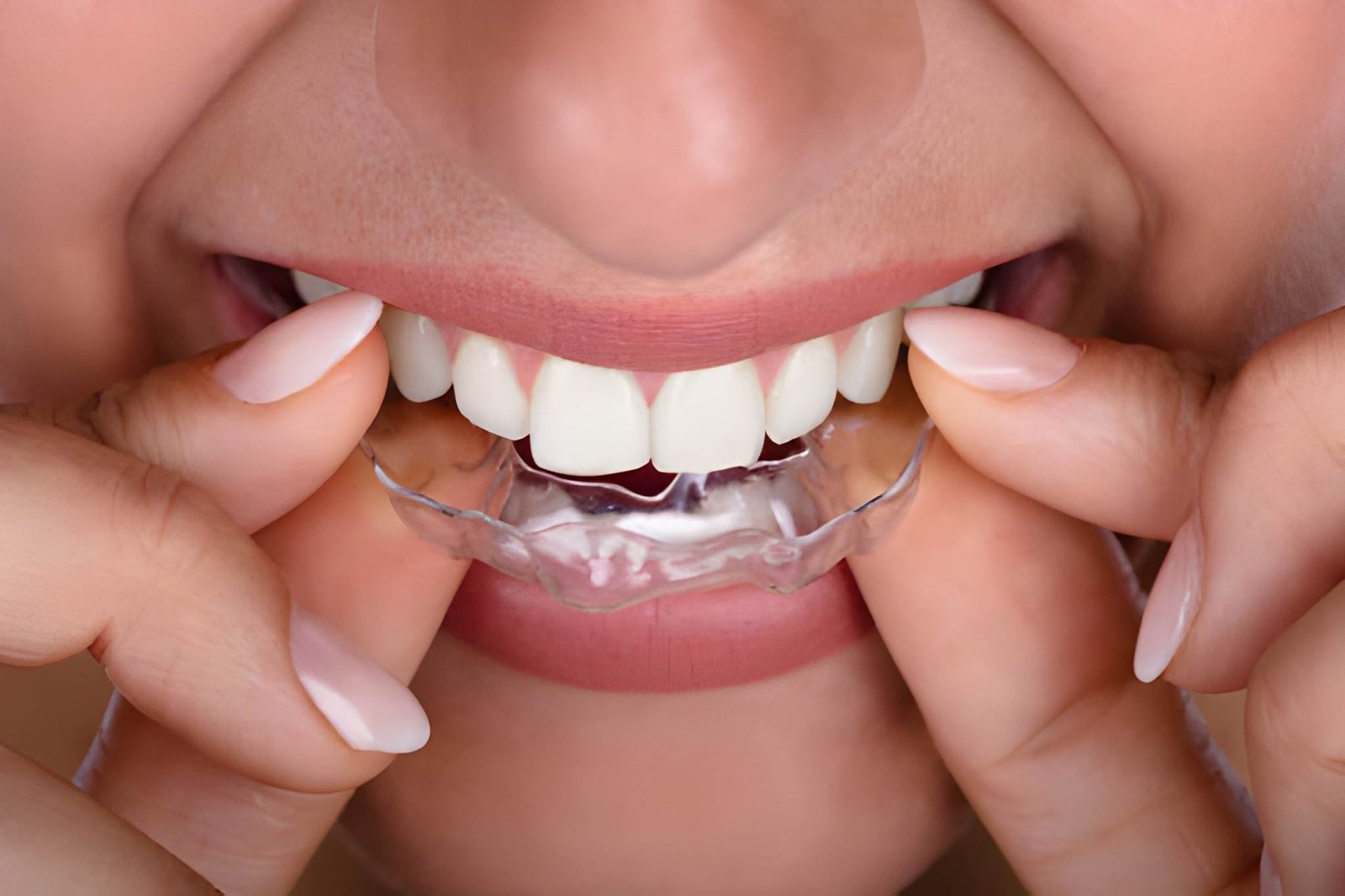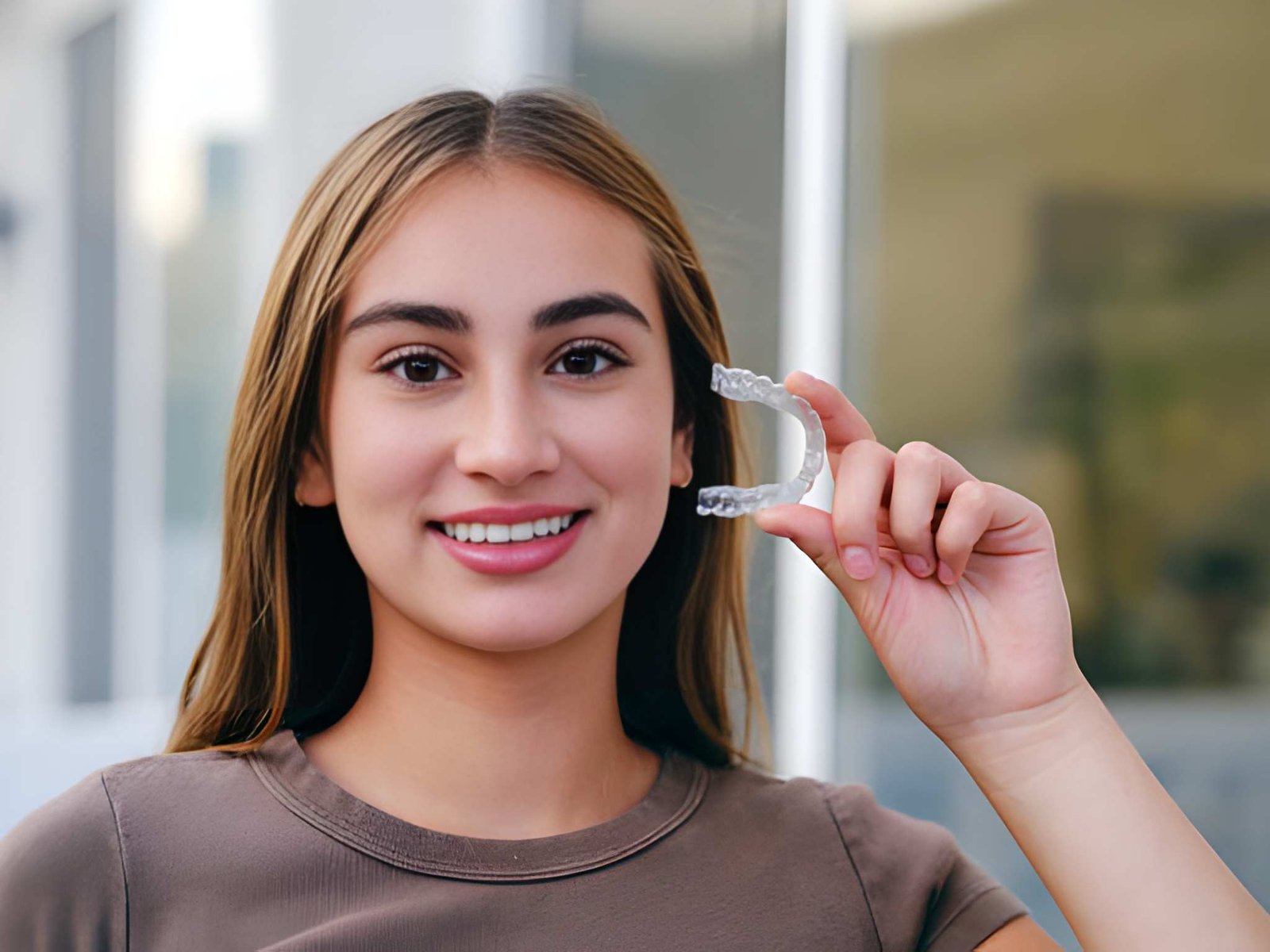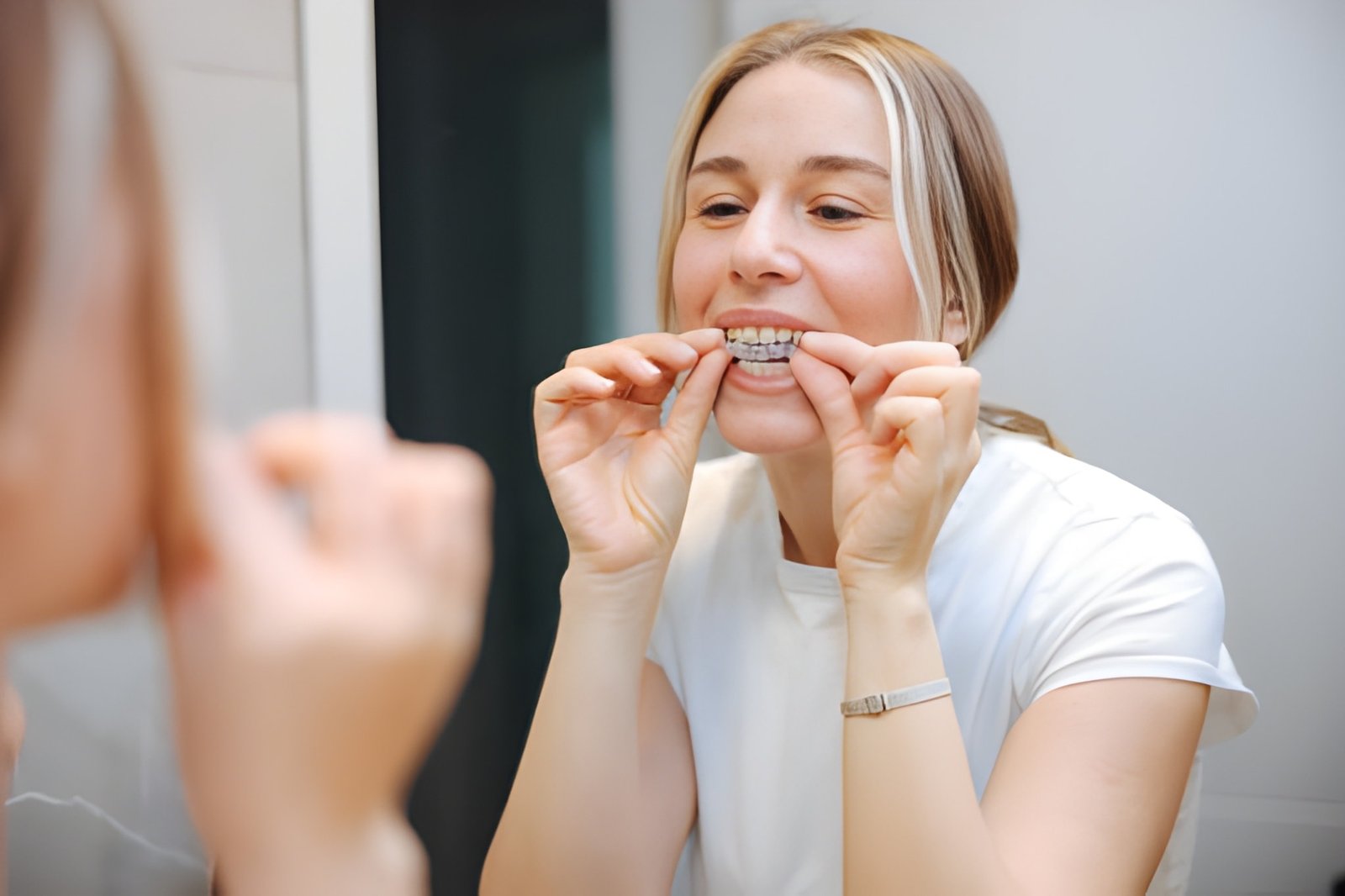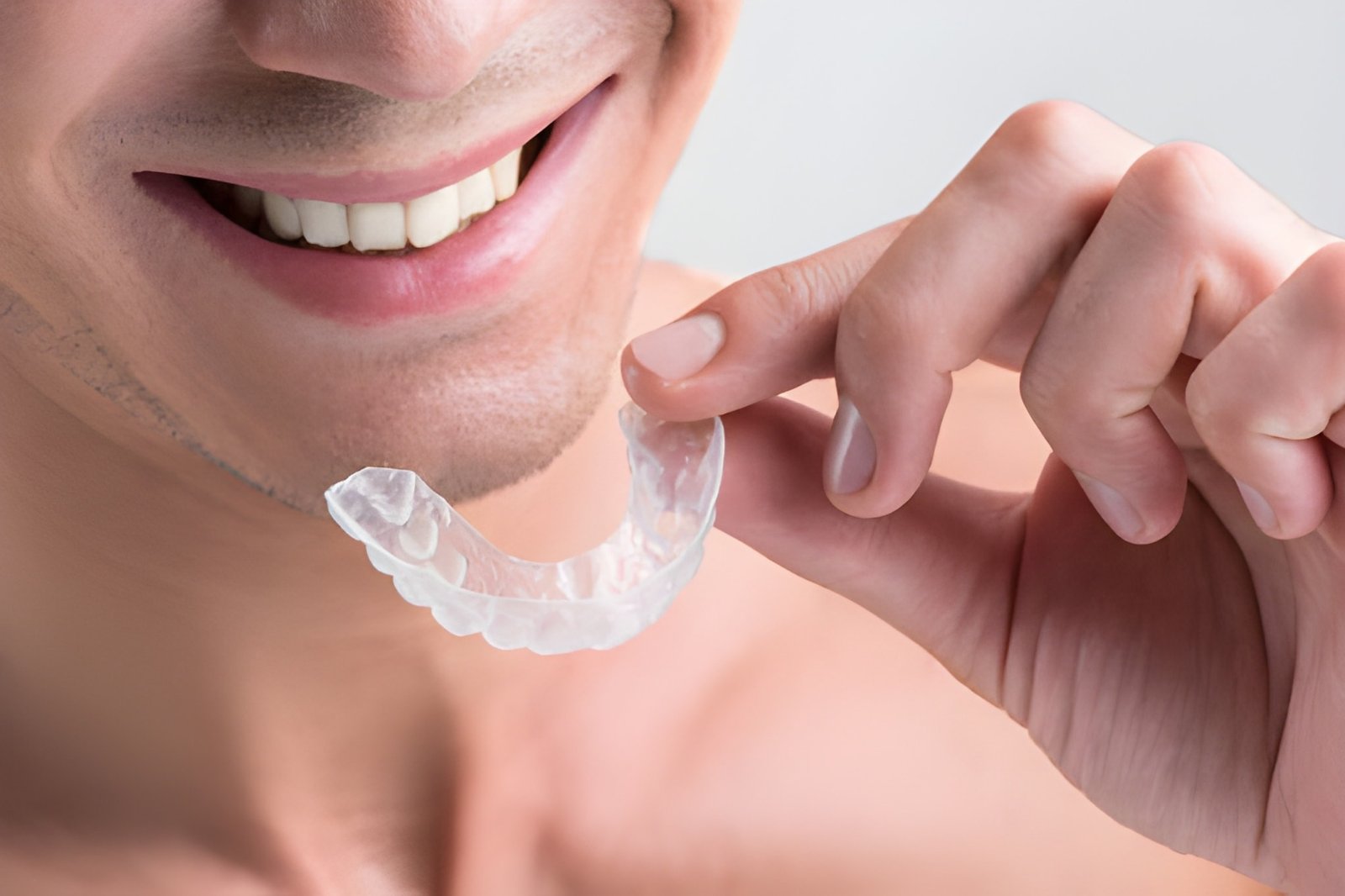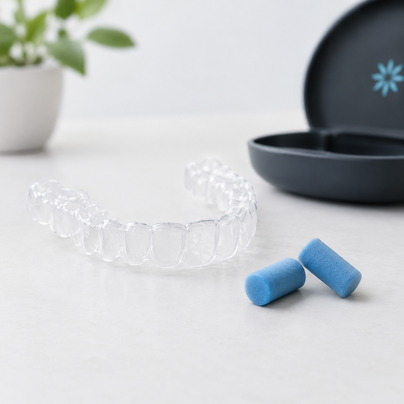
Invisalign® chewies are small, soft devices that help seat clear aligners more securely against the teeth. They are often recommended when an aligner does not appear to fit fully. Understanding what Invisalign chewies are, why they are used and how to use them correctly can help patients follow their orthodontic treatment plan.
What Are Invisalign® Chewies?
Invisalign chewies are small, compressible cylinders designed to help position clear aligners or retainers correctly over the teeth. They are made from a soft, chewable material and are used briefly while wearing the aligners.
Unlike aligner trays, which apply planned forces to move teeth gradually, chewies help the trays settle into position. They may be particularly useful when a new aligner feels slightly raised or does not sit closely against certain teeth.
Why Do Orthodontists Recommend Invisalign Chewies?
Orthodontists may recommend chewies to help patients achieve a better fit when inserting their aligners. A tray that is not fully seated may leave small spaces between the plastic and the teeth.
Gently biting on a chewie applies pressure to the aligner, helping it settle over the teeth and any attachments. This is particularly relevant when inserting a new tray or when an aligner needs help seating properly.
However, chewies cannot correct every fit problem. Persistent gaps may indicate that the teeth are not tracking as planned or that the aligner needs professional assessment. Chewies should therefore be used as directed by the treating orthodontist, not as a way to force a poorly fitting tray into place.
Read More: How Long Does Invisalign Take to Work?
How to Use Invisalign Chewies Correctly
Using Invisalign chewies is straightforward, but gentle pressure is important. Follow these steps unless your orthodontist has provided different instructions:
- Insert your aligners: Position the tray over your teeth by hand and press it gently into place.
- Place the chewie correctly: Position it between your upper and lower teeth while wearing the aligner.
- Bite gently: Apply light, controlled pressure, then release. Avoid biting down forcefully.
- Move across the teeth: Repeat in different areas where the aligner may not be fully seated.
- Check the fit: The tray should sit closely against the teeth without obvious areas lifting away.
Do Invisalign Chewies Really Work?
Invisalign chewies are designed to help seat aligners properly against the teeth. They may help reduce small spaces between the tray and teeth when an aligner has not fully settled. However, there is limited clinical evidence that chewies improve overall treatment outcomes or shorten treatment time.
Their main purpose is to assist with aligner fit, not to move teeth independently. Consistent aligner wear and regular orthodontic reviews remain essential. If a tray continues to feel loose or does not fit correctly, seek advice from your orthodontist.
Are Invisalign Chewies Safe?
When used correctly, chewies for Invisalign aligners are generally intended for brief use to help seat a tray. However, excessive biting pressure may damage the aligner or cause discomfort.
Stop using a chewie if it causes significant pain. Follow the product’s cleaning, storage and replacement instructions. Do not share chewies with other people, as this can increase the risk of contamination.
Read More: Can You Have Invisalign While Pregnant?
What If Your Invisalign Aligners Still Don’t Fit?
If your aligners do not fit properly after using chewies, do not force them into place. Persistent gaps, a tray that will not seat fully, or attachments that do not engage correctly may require professional assessment.
Contact your orthodontist for advice. They can determine whether the issue relates to aligner fit, tooth movement or another treatment concern. Do not switch to the next tray or change your prescribed wearing schedule without their guidance.
Final Thoughts
Invisalign chewies can help seat clear aligners when used correctly. However, they cannot resolve every fitting problem or replace prescribed aligner wear and orthodontic supervision. Follow your orthodontist’s instructions and seek professional advice if your aligners remain loose or uncomfortable.
If you have questions about using Invisalign® chewies or keeping your aligners properly fitted, Visage Orthodontics is here to help. Our team in Aberdeen can guide you on the correct use of chewies and answer your questions about aligner fit. Contact Visage Orthodontics to learn more about our Invisalign treatment and how we can help you achieve a straighter smile.
Frequently Asked Questions
Yes. Using chewies excessively or biting too forcefully can cause jaw soreness and discomfort. Use them for the duration recommended by your orthodontist rather than chewing on them continuously. If you experience persistent pain, stop using them and seek professional advice.
Not necessarily. Some orthodontists recommend using chewies after meals to help reseat aligners, while others suggest using them only when a tray does not fit snugly. Follow your orthodontist’s instructions based on your treatment needs.
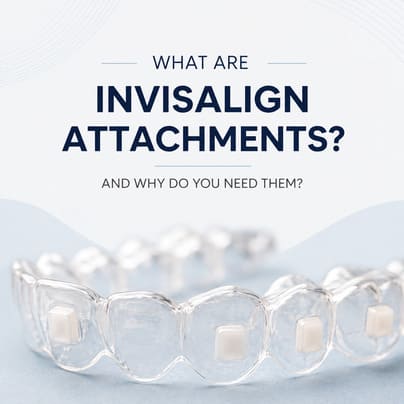
Yes. Chewies can generally be used with Invisalign aligners that have attachments. Gentle biting may help the tray seat around these small tooth-coloured components.
Replace a chewie when it becomes torn, damaged, excessively worn or difficult to clean. Repeated use can affect its condition and hygiene. Follow the manufacturer’s cleaning and replacement instructions, and do not share chewies with other people.
No. Invisalign chewies help seat clear aligners against your teeth, while orthodontic wax is used to cover irritating areas of braces or other orthodontic appliances. They serve different purposes and are not interchangeable.