Orthodontic treatment is a valuable investment in your dental health, appearance, and confidence. Whether you’re dealing with crooked, crowded teeth, gaps, or bite issues, braces can provide a solution. Common signs that you might need braces include early loss of baby teeth, difficulty chewing, visible misalignment, gaps between teeth, or jaw clicking. Both children and adults can benefit from braces, and with modern technology, adult treatments are now more discreet and effective than ever.
Types of Braces Available in Aberdeen
There are several types of braces to consider, each designed to meet different needs:
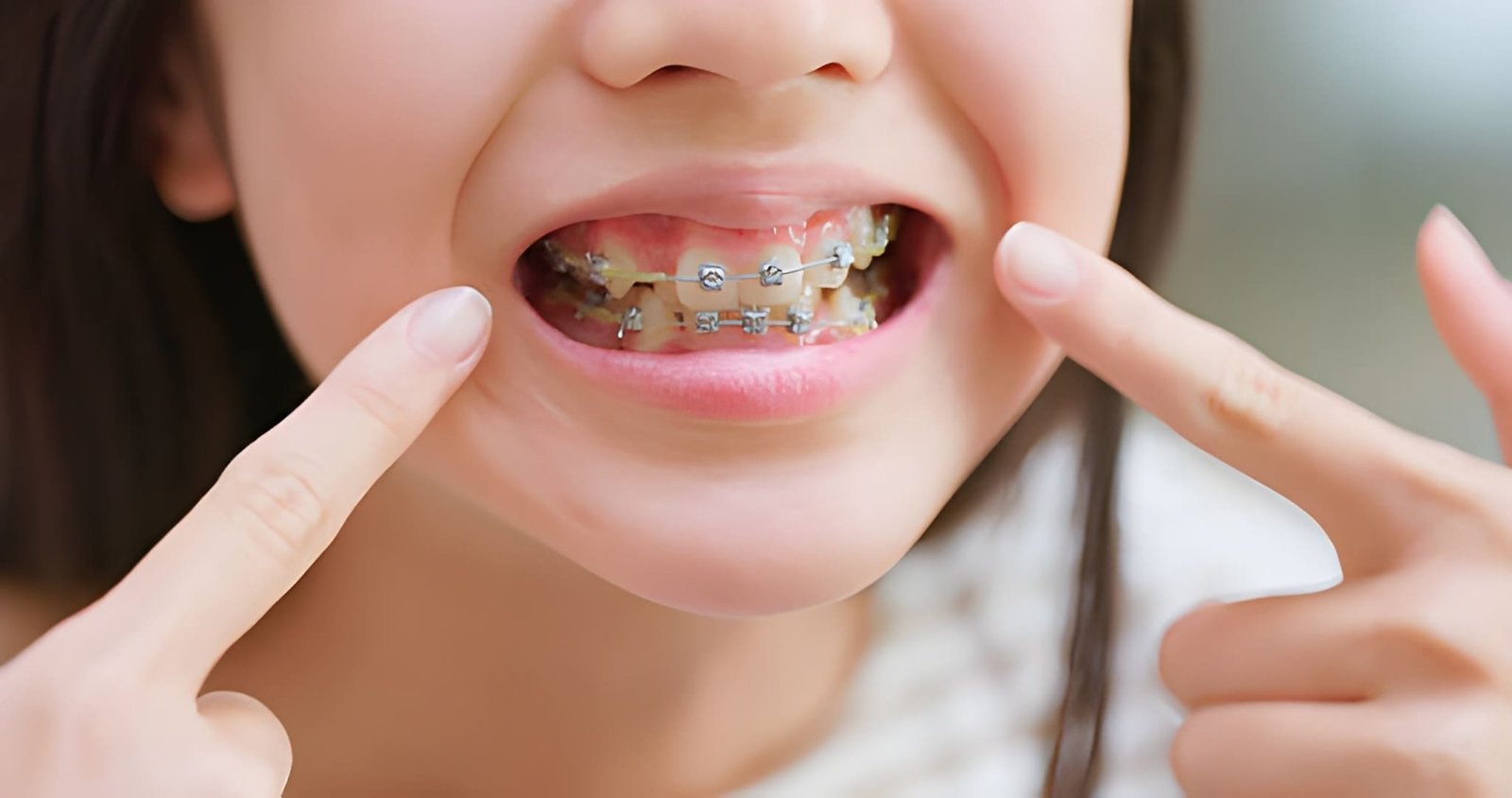
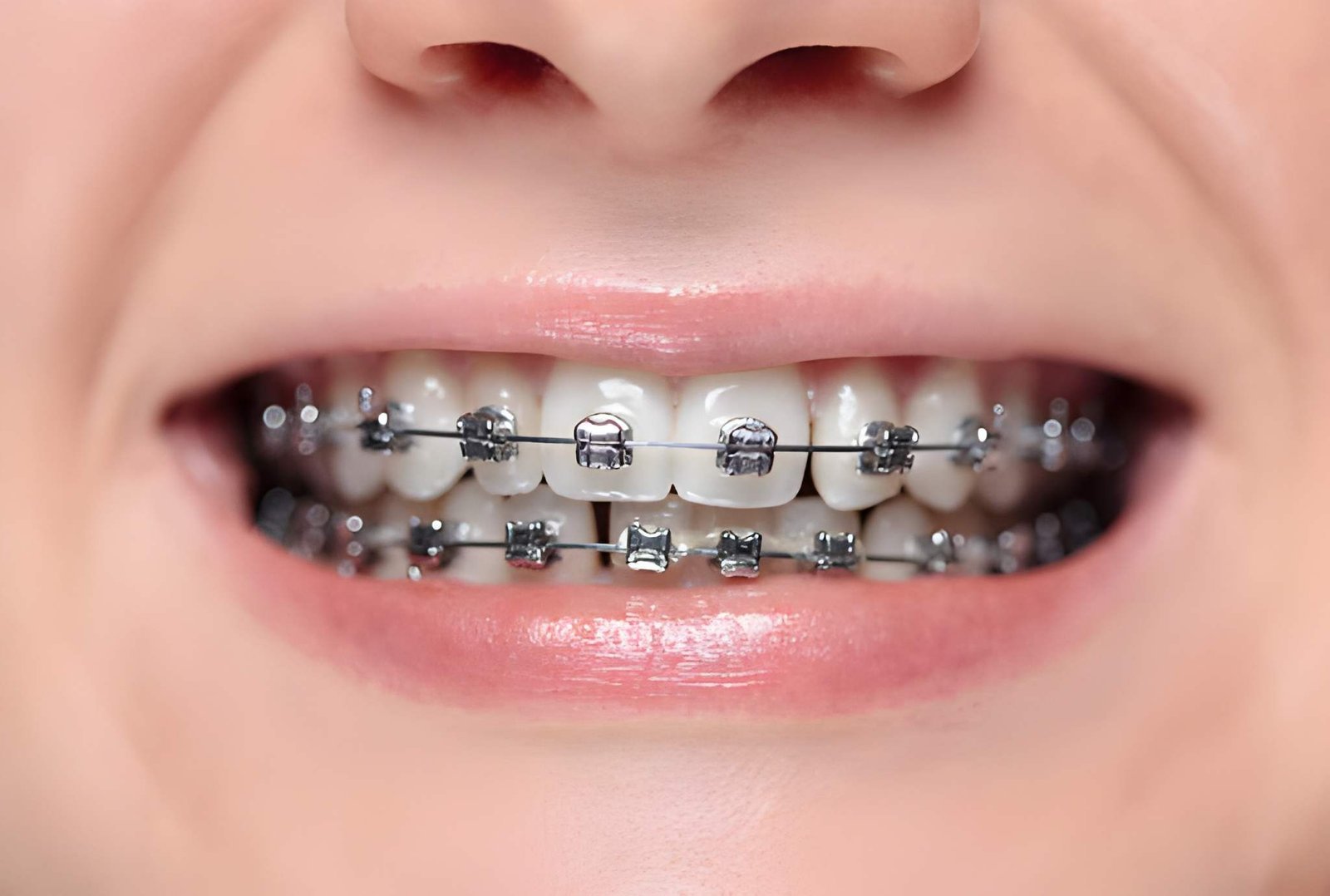
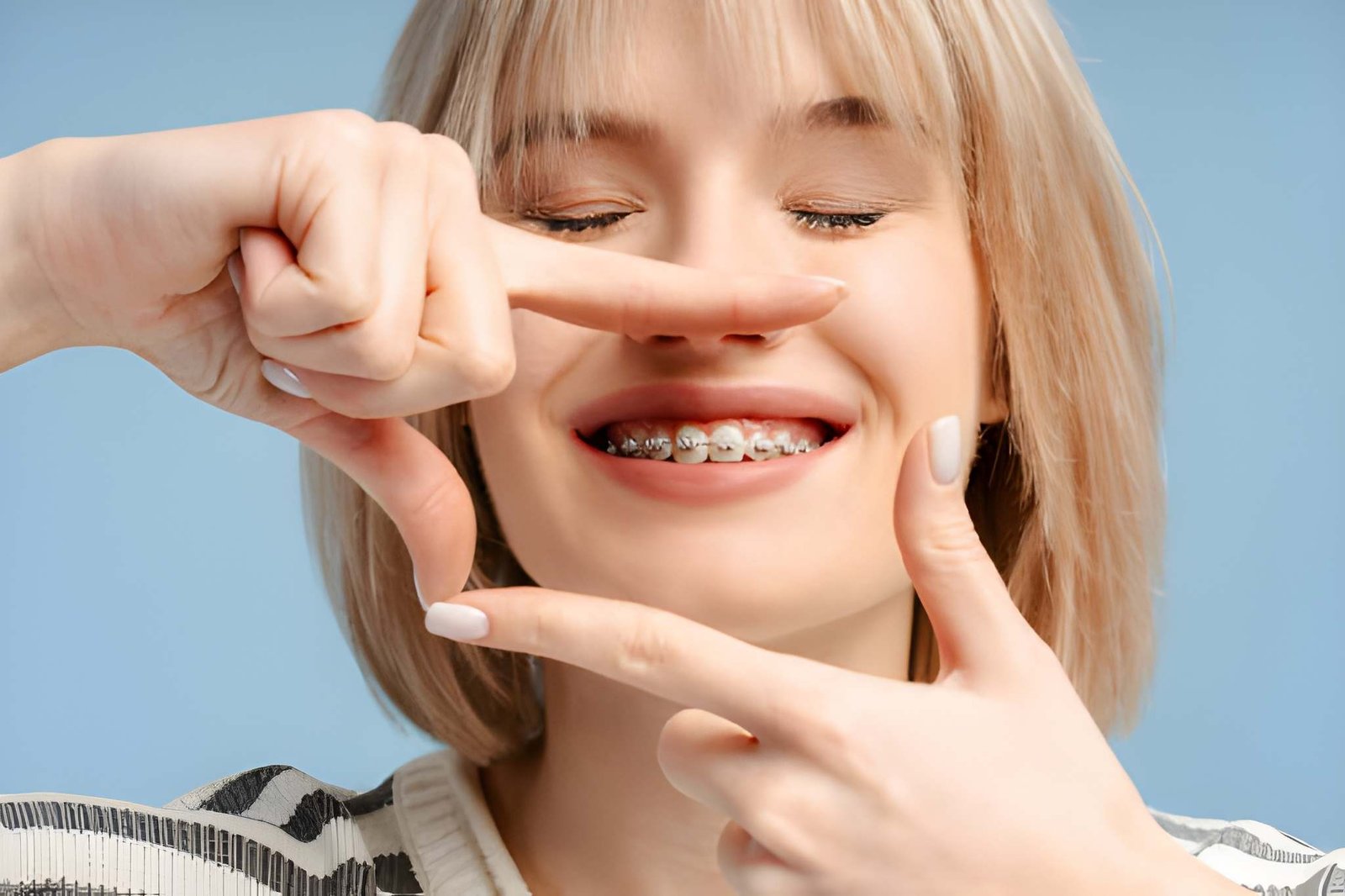
- Traditional Metal Braces: Durable and effective for more complex cases.
- Ceramic (Clear) Braces: Less noticeable and popular among adults.
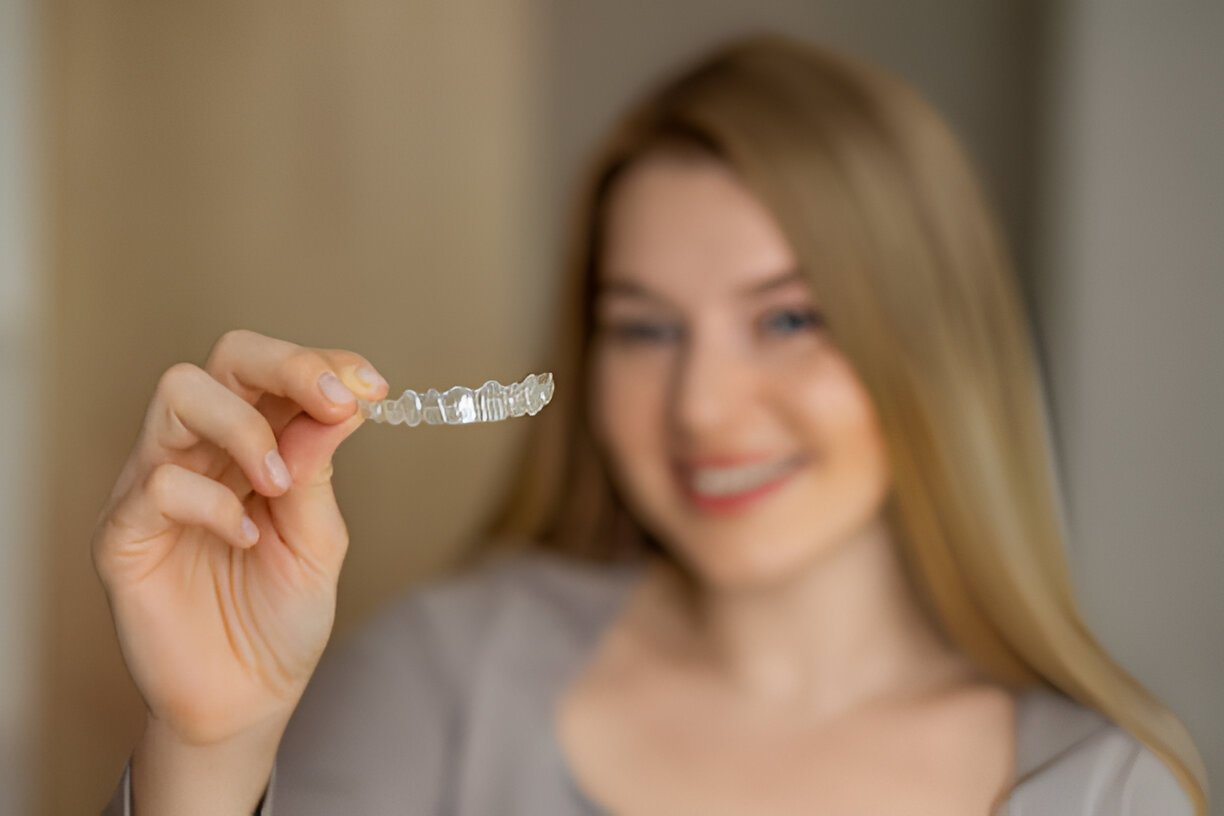
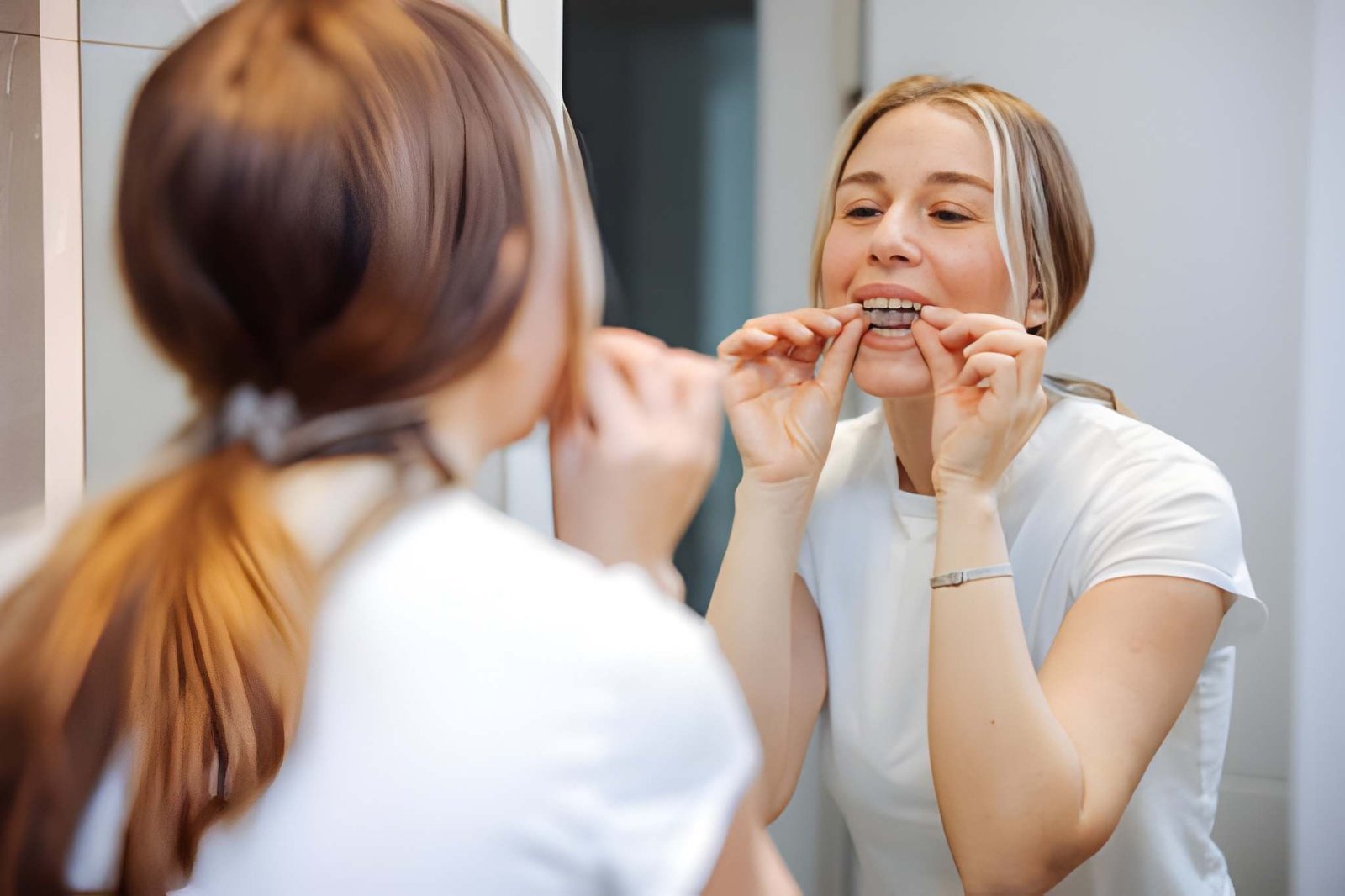
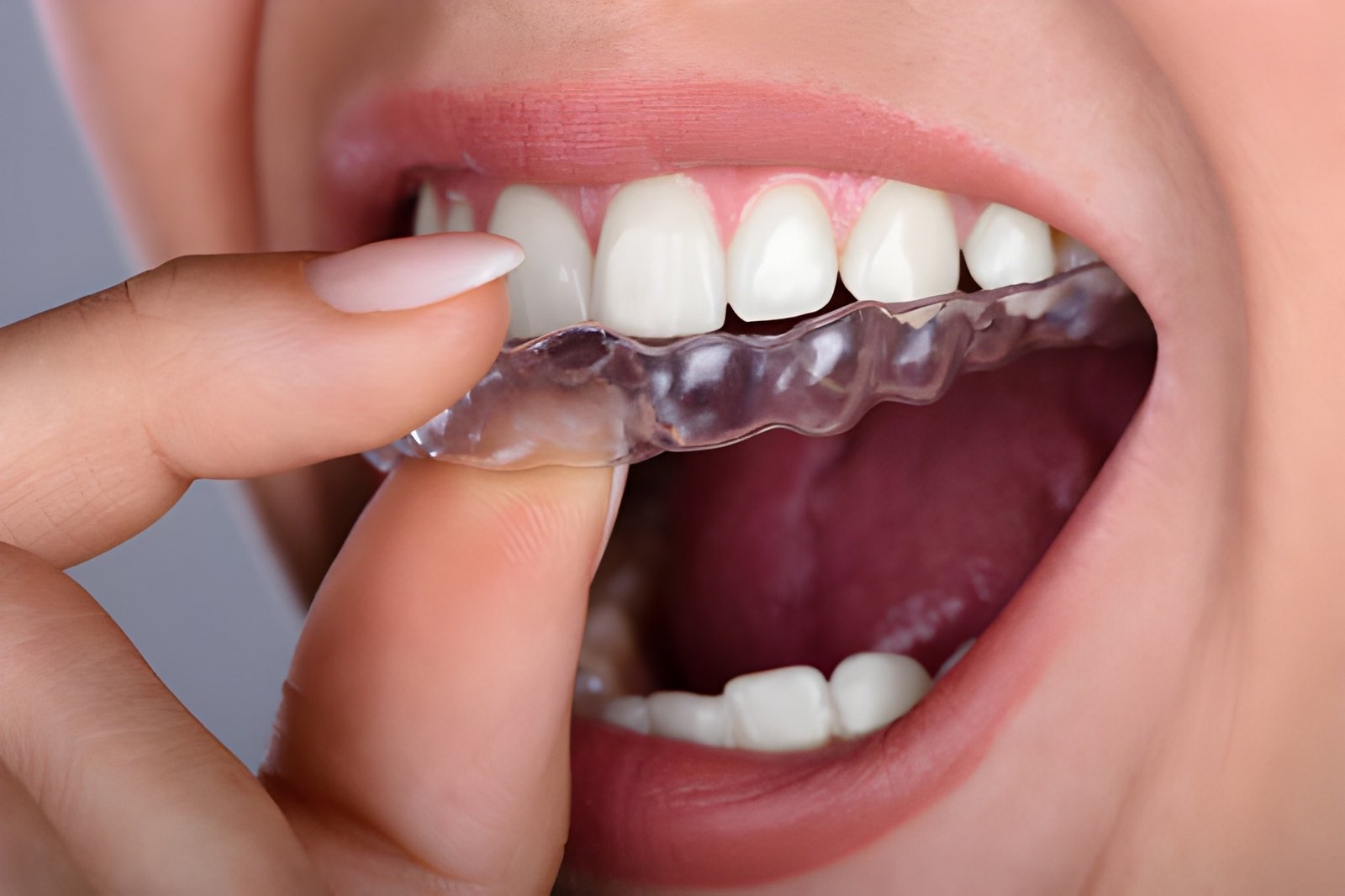
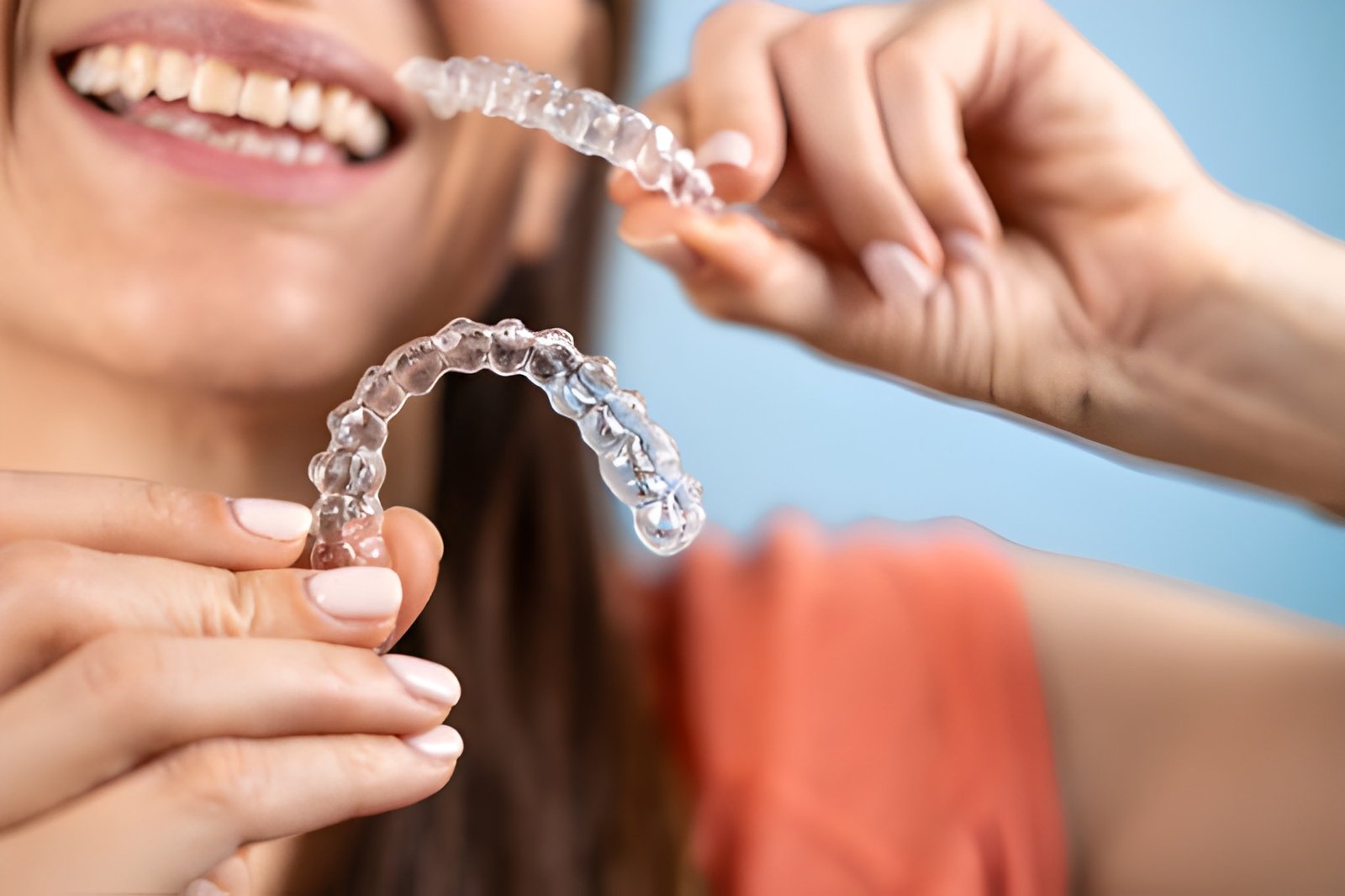
- Invisalign® Aligners: Removable and nearly invisible, ideal for mild to moderate alignment issues.
Your orthodontist will help determine which type of braces suits your dental needs and lifestyle best.
Can adults get braces in Aberdeen, or are they only for children?
The Braces Journey: Step-by-Step
Step 1: Scheduling Your First Consultation
You don’t usually need a referral to book an appointment for professional orthodontic care in Aberdeen. It’s a good idea to see an orthodontist early, especially for children around the age of 7. If you’re experiencing dental concerns, booking a consultation is the first step toward achieving a healthier, more confident smile. Early intervention helps ensure the best possible outcome, so don’t hesitate to reach out to an orthodontist for expert guidance and care.
Step 2: Initial Consultation and Examination
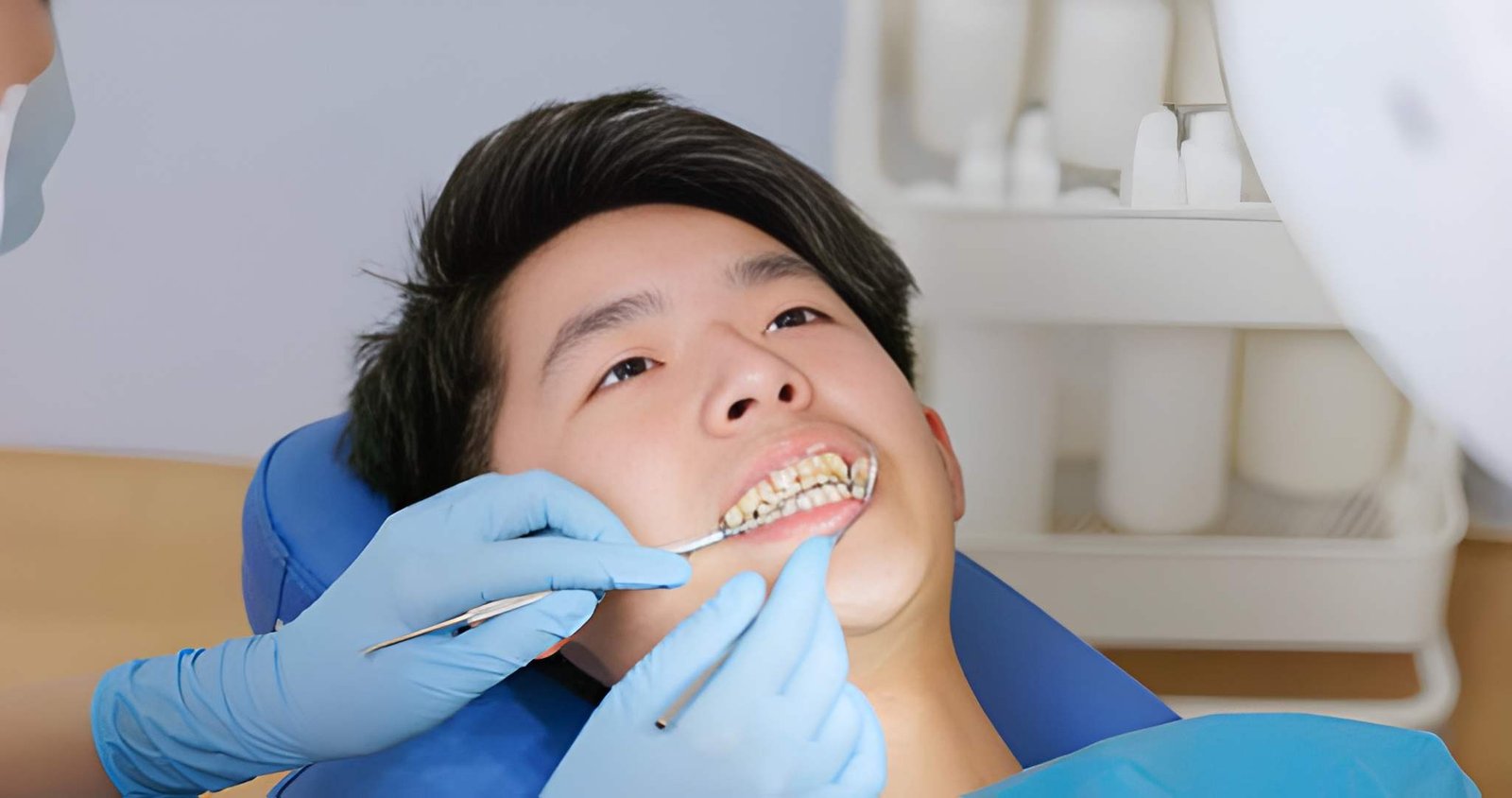
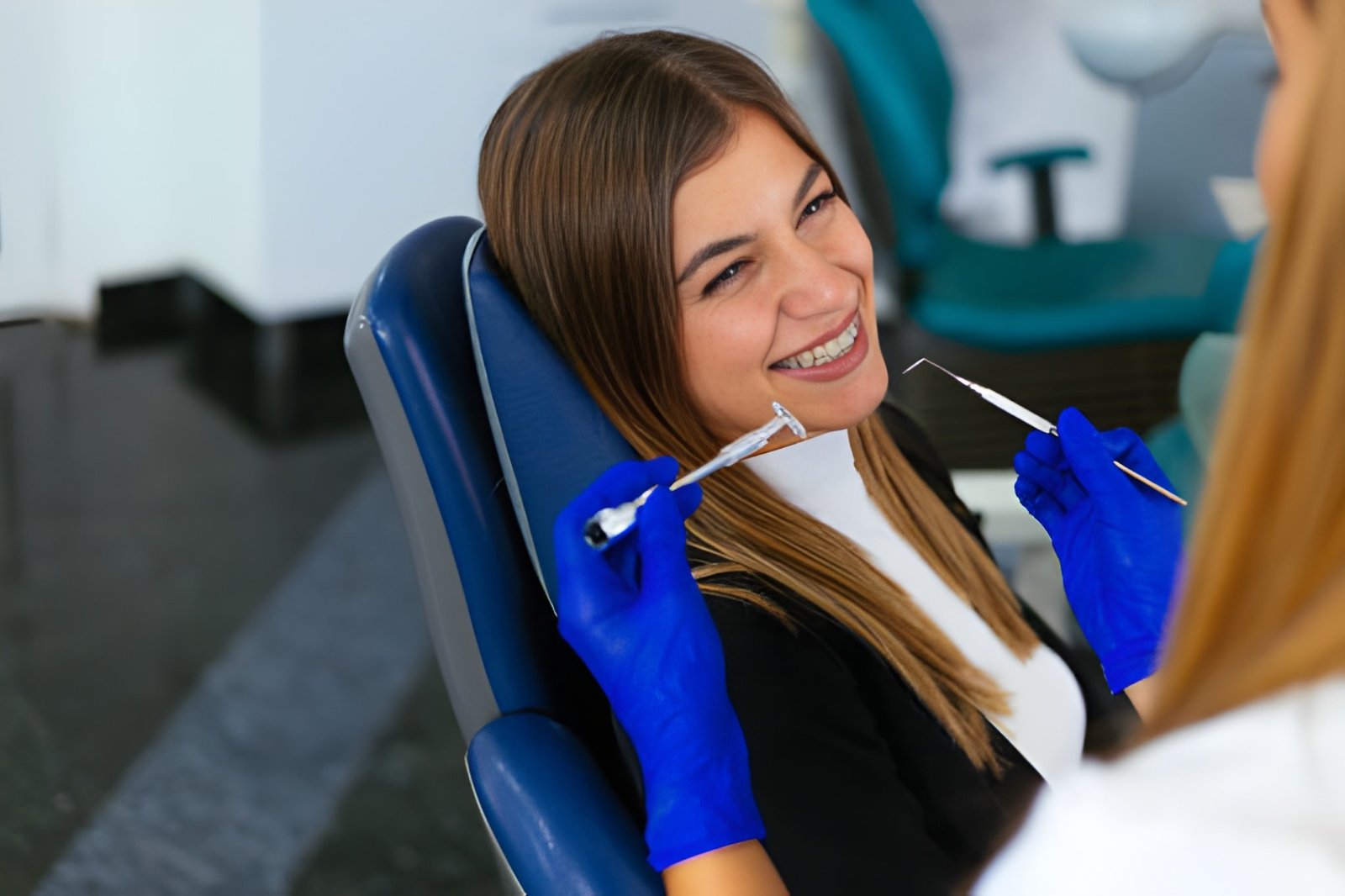
During the first visit, the orthodontist will examine your teeth and may take x-rays, impressions, or digital scans. This helps to create a personalised treatment plan. It’s a good time to ask questions about the treatment process, duration, cost, and aftercare.
What is the average treatment time for braces in Aberdeen?
Step 3: Treatment Planning and Preparation
Based on your initial consultation, a treatment plan will be developed. If necessary, your orthodontist may suggest preliminary treatments such as cleaning or fillings before starting braces. At this point, they will also discuss insurance and payment options to ensure the treatment fits your budget.
Step 4: Getting Braces Put On
The procedure for putting braces on typically takes 1–2 hours. The orthodontist will bond the brackets to your teeth and connect them with wires. This process is generally painless, though some mild discomfort may follow as your mouth adjusts.
Step 5: Regular Adjustments and Monitoring
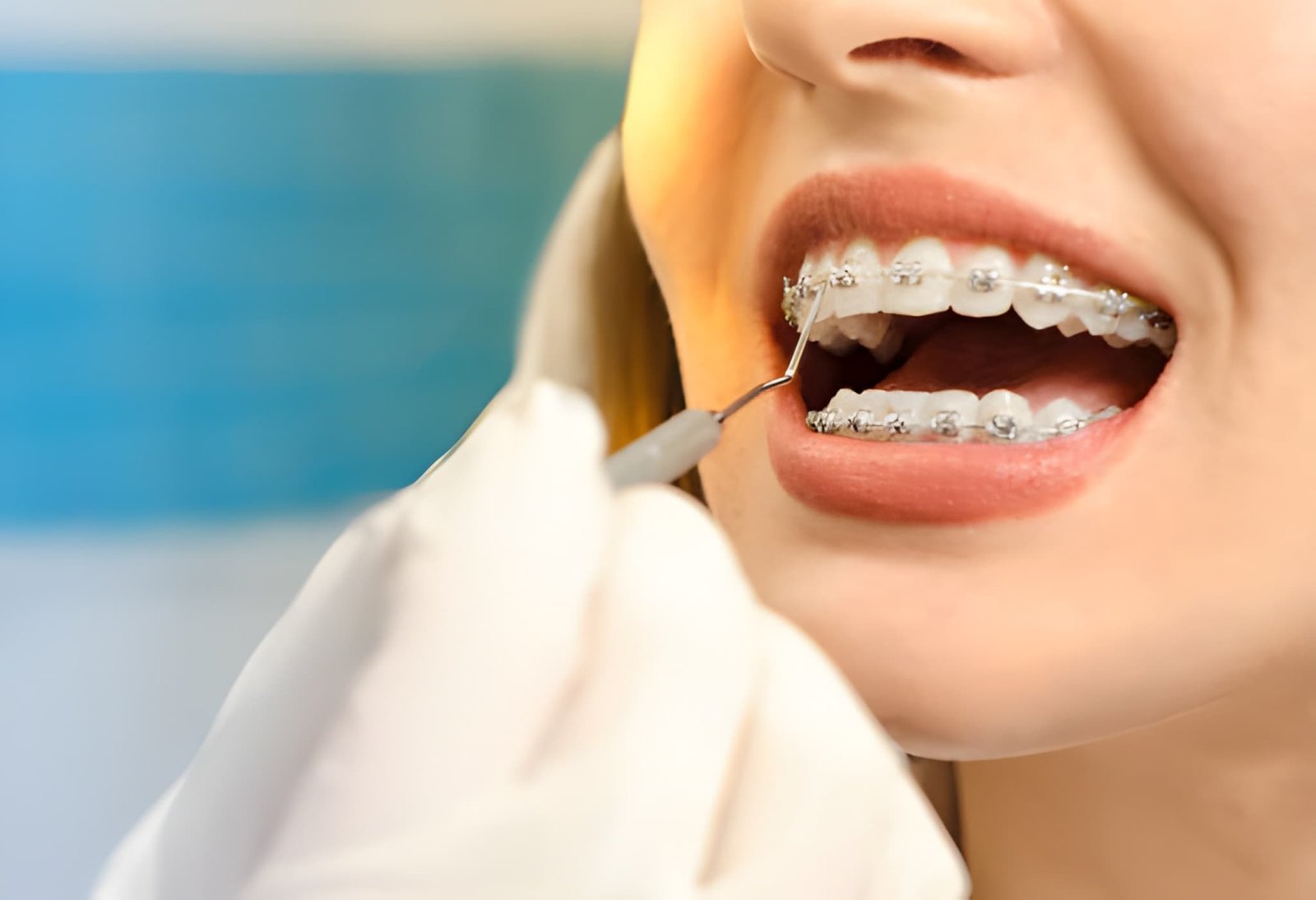
You will visit your orthodontist every 4–8 weeks to adjust the wires and monitor progress. These adjustments ensure your teeth are moving correctly and allow the orthodontist to make any necessary changes. Mild discomfort is common after each adjustment but typically fades within a few days.
What are the different types of braces available in Aberdeen?
Step 6: Braces Removal and Retention
Once treatment is complete, the braces will be removed. To ensure that your teeth stay in place, retainers will be fitted. It is essential to wear your retainer as directed to maintain the beautiful results you’ve achieved.
How Long Does Braces Treatment Take?
- Pre-Treatment Phase: 1–3 months (consultation and preparation).
- Active Treatment Phase: 12–30 months, depending on the complexity of the case.
- Post-Treatment Phase: Retainer wear (nighttime, long-term).
Individual treatment times vary based on factors like orthodontic severity, age, and patient compliance.
Cost of Braces in Aberdeen
The cost of braces can vary depending on the type of treatment you choose. Metal braces are typically the most affordable, while clear aligners and ceramic options tend to be more expensive. Factors like the complexity of your treatment, the duration, and additional appliances can also influence the overall cost. Many orthodontic clinics offer financing options or flexible payment plans to make treatment more accessible.
Taking Care of Braces
Daily care is essential for the success of your treatment:
- Brushing: Brush after every meal using a soft-bristled toothbrush and fluoride toothpaste.
- Flossing: Use orthodontic flossers or threaders to clean between your braces and teeth.
- Foods to Avoid: Steer clear of sticky, crunchy, or hard foods such as gum, popcorn, and nuts.
Maintaining good oral hygiene throughout your treatment will help prevent plaque build-up and ensure the best results.
Choosing the Right Orthodontist in Aberdeen
When choosing an NHS orthodontist in Aberdeen, look for one with the proper qualifications, experience, and a clinic that uses modern technology. You should feel comfortable asking questions and confident in the care you receive. An experienced NHS orthodontist will provide clear guidance, offer treatment options tailored to your needs, and ensure you feel supported throughout the process.
Frequently Asked Question
Is there an age limit for braces?
No, you can get braces at almost any age, provided your teeth and gums are healthy.
Do braces move teeth every day?
Yes, teeth are gradually moved through light, continuous pressure.
Can I get braces if I have missing teeth?
Yes, depending on the location and number of missing teeth, you may still be eligible for braces or alternative treatments.
Do adult braces hurt more than children’s?
Not necessarily. Pain tolerance varies, and most adults manage the discomfort with over-the-counter remedies.
How many teeth do you need for braces?
You don’t need a full set. Your orthodontist will assess the best approach for your specific situation.