Many parents wonder when should your child first see an orthodontist, especially while their child still has baby teeth. The general guidance is simple: most children benefit from an orthodontic evaluation at around age 7. This doesn’t mean treatment starts then. It means an orthodontist can check how the teeth and jaws are developing and catch problems early, while there’s still room to act.
An early visit is about information, not commitment. If everything looks on track, your child will simply be booked in for a follow-up check further down the line.
Why Age 7 Is the Benchmark for a First Orthodontic Evaluation
By around age 7, most children have a mix of baby teeth and permanent front teeth and molars. This stage is known as mixed dentition. It gives an orthodontist enough to assess properly, including how the bite is forming, whether there’s enough space for the adult teeth still to come and whether the jaws are growing evenly.
Dental development varies between children, so the right time for a first orthodontic consultation depends on how the teeth and jaw are progressing, not the calendar alone.
A timely paediatric orthodontic assessment means any problems are picked up while there’s still scope to guide growth, rather than after all the adult teeth have fully come through.
Signs Your Child May Need an Earlier Assessment
Some children should be seen before age 7. Watch for:
- Baby teeth lost very early or very late compared with other children the same age
- Difficulty biting, chewing or closing the mouth comfortably
- Ongoing thumb or finger sucking past around age 4
- Jaws that click, shift or make sounds when opening and closing
- Teeth that don’t meet properly, including an overbite, underbite or crossbite
- Speech difficulties that seem linked to tooth or jaw position
These are the main signs of orthodontic problems in children a dentist or orthodontist will ask about.
What Happens at a First Orthodontic Consultation
A first appointment is a straightforward check, not a procedure. The orthodontist looks at how the teeth are coming through, checks the bite and may take x-rays or photographs to see how the jaw is developing.
Parents often ask what happens at a child’s first orthodontic assessment expecting treatment to follow straight away. In practice, the outcome is usually one of three things:
No Action Needed: Teeth and jaws are developing normally
Monitor and Review: A further check is booked for six to twelve months later
Early Treatment is Recommended: Usually because waiting would make a problem harder to correct later
Early (Interceptive) Orthodontic Treatment
When a first assessment does point to early treatment, it’s usually described as interceptive orthodontic treatment. This isn’t the same as a full set of braces. It’s a shorter, earlier stage of treatment aimed at guiding how the jaw and teeth are growing, rather than moving individual teeth into their final position.
Common appliances at this stage include devices that widen a narrow upper jaw to create space or a twin block appliance used where the upper and lower jaws aren’t growing in line with each other. The goal isn’t cosmetic, it’s to make later treatment simpler, shorter or in some cases unnecessary.
Benefits of Early Orthodontic Assessment
An early orthodontic assessment provides valuable information about your child’s oral health, even if treatment is not required straight away.
Some of the main benefits include:
- Detecting orthodontic problems before they become more severe.
- Monitoring jaw development during important growth stages.
- Supporting healthier bite alignment.
- Reducing the risk of impacted or severely crowded permanent teeth.
- Improving long-term oral health by making teeth easier to clean.
- Identifying whether future treatment is likely to be needed.
- Potentially reducing the need for more complex treatment later.
How Can Parents Support Healthy Dental Development?
Parents play an important role in supporting healthy teeth and jaws as their child grows.
You can encourage good dental development by:
- Scheduling regular dental check-ups.
- Maintaining good daily oral hygiene with brushing and flossing.
- Encouraging a balanced diet that supports healthy teeth.
- Discouraging prolonged thumb sucking or dummy use.
- Monitoring how adult teeth are erupting.
- Seeking professional advice if you notice changes in your child’s bite or tooth alignment.
How Does Invisalign Work for Young Children?
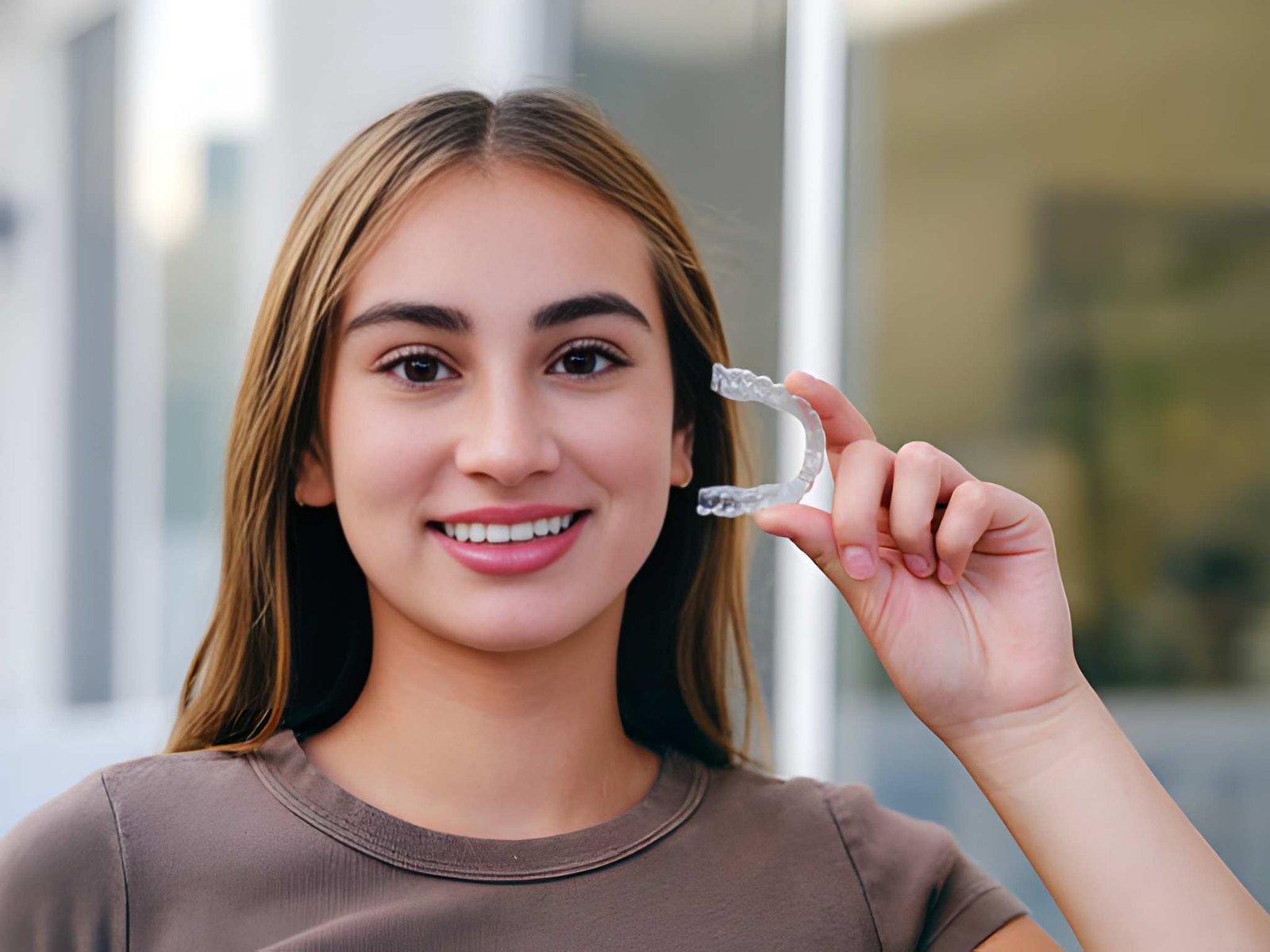
Many parents ask whether Invisalign is an alternative to traditional braces. Invisalign uses a series of clear, removable aligners that gradually move the teeth into better positions.
For younger children, Invisalign is not suitable in every case. Successful treatment depends on the child’s stage of dental development, the type of orthodontic problem and their ability to wear the aligners for the recommended 20 to 22 hours each day.
An orthodontist may consider Invisalign for children when:
- Most permanent teeth have erupted.
- The orthodontic problem is mild to moderate.
- The child is responsible enough to wear and care for the aligners correctly.
When Are Braces for Children Needed?
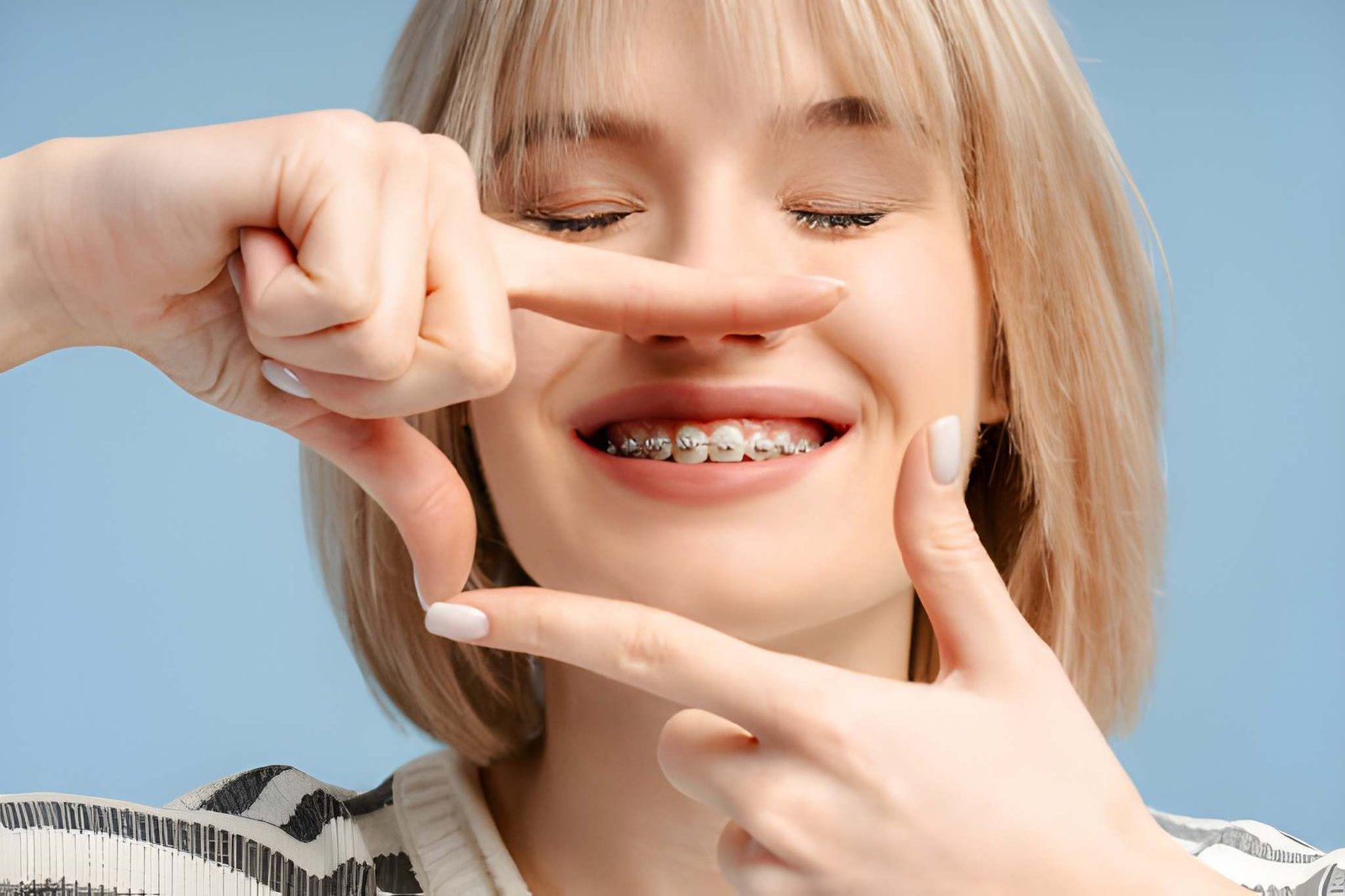
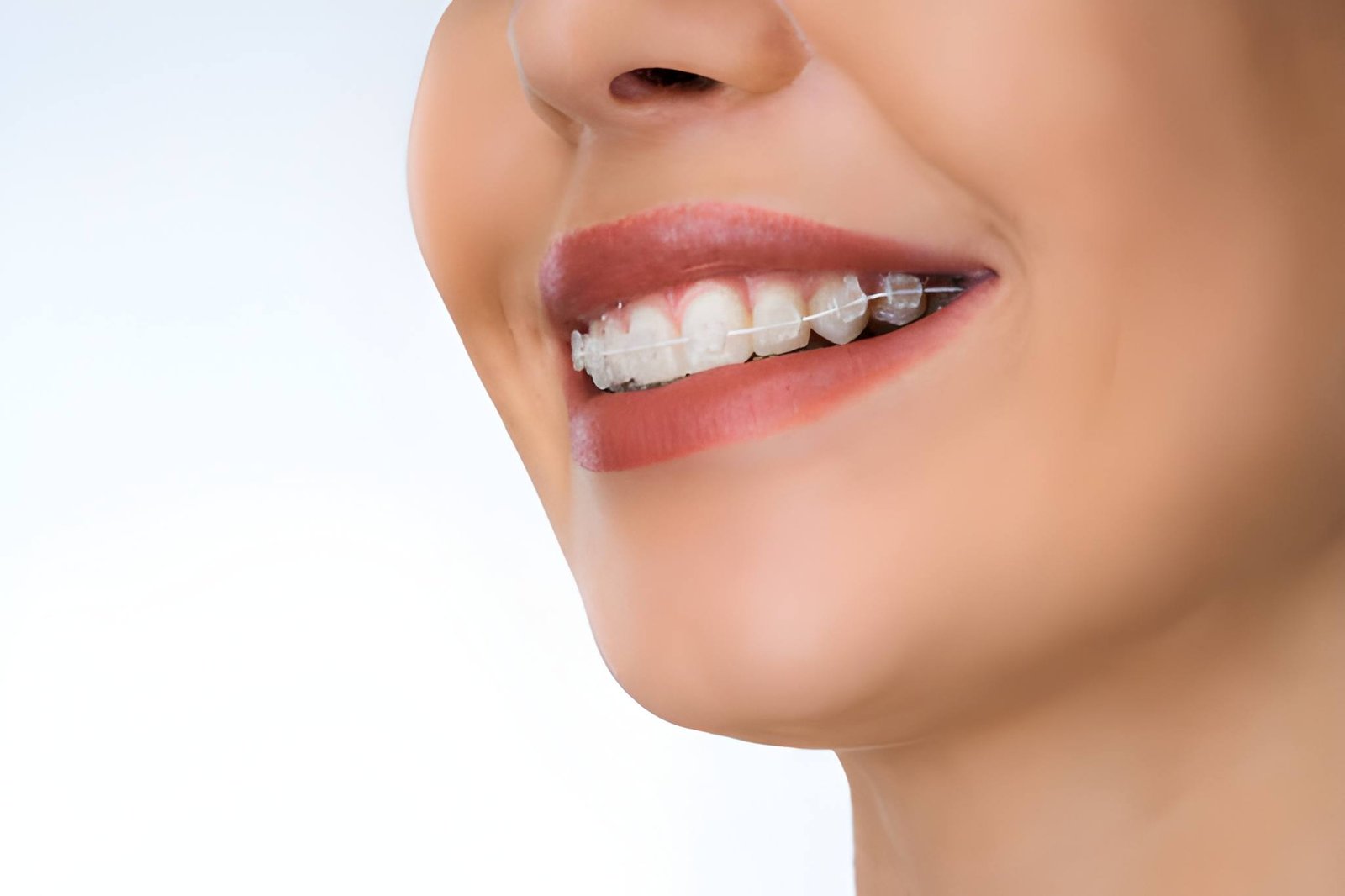
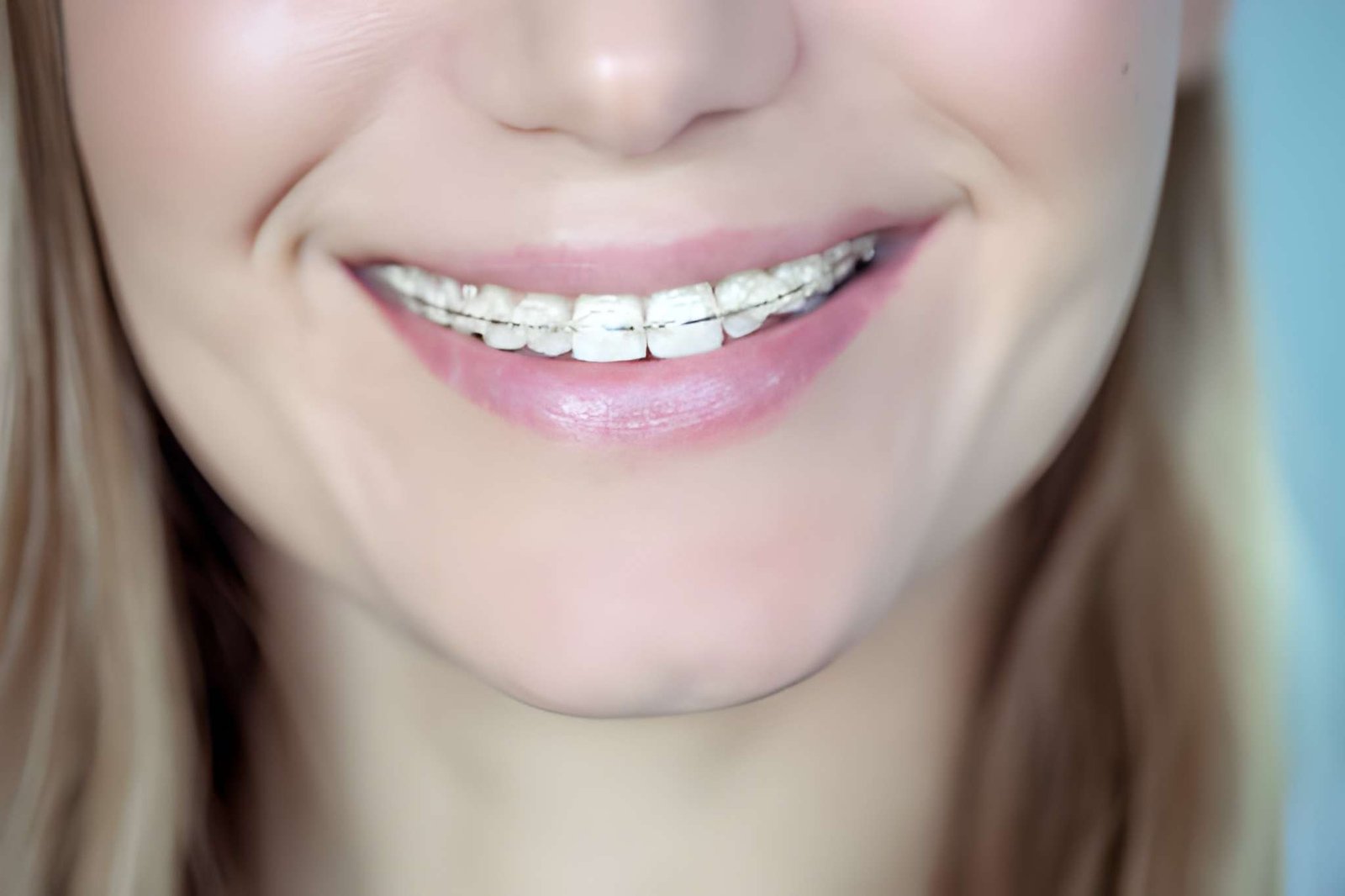
Not every child who visits an orthodontist will need braces. However, braces for children may be recommended when there are problems with tooth alignment or bite development that are unlikely to improve on their own.
An orthodontist may suggest braces if your child has:
- Crowded teeth
- A significant overbite
- An underbite
- A crossbite
- Severe spacing between teeth
- Teeth that are growing in the wrong position
Does an Early Visit Mean My Child Will Definitely Need Treatment?
No. Most children seen early don’t start treatment straight away. Many are simply monitored, with a further check booked as more adult teeth come through. Seeing an orthodontist early is about having accurate information at the right time, not about starting braces sooner than necessary.
Frequently Asked Questions
Invisalign for children may be suitable for some children whose permanent teeth have started to develop and who can wear the aligners as instructed. However, traditional braces may be a better option for more complex orthodontic problems.
You cannot self-refer for NHS treatment, your dentist has to make the referral to an orthodontist. A private assessment in Aberdeen can usually be booked directly, without going through your dentist first.
Not necessarily. Phase One treatment (usually between ages 7 and 10) can address specific orthodontic issues early, making treatment during the teenage years simpler, shorter or, in some cases, unnecessary. However, this depends on your child’s individual dental development.
Most orthodontists recommend a first orthodontic appointment at around seven years of age. This allows early assessment of jaw growth, tooth eruption and bite development.
Yes, orthodontists frequently assess children who still have several baby teeth, particularly where there’s crowding, a crossbite, protruding teeth or a jaw growth concern.