
Dentists and orthodontists both care for your teeth and oral health, but they have different areas of expertise. A dentist provides general dental care, while an orthodontist specialises in correcting problems with tooth and jaw alignment.
Understanding the difference between dentist and orthodontist can help you decide which professional you need for a particular dental concern. Although both complete dental training, orthodontists receive additional specialist training focused on the alignment of teeth and jaws.
What Is a Dentist?
A dentist is a dental professional who provides general care for your teeth, gums and mouth. Regular dental visits help prevent, identify and treat common oral health problems.
But, according to the data, 39% of people only book an appointment when a problem arises, rather than going for regular check-ups.
What Does a Dentist Do?
A dentist’s work covers a broad range of dental care. A general dentist can examine your teeth and gums, identify signs of dental disease and provide treatments to maintain or restore your oral health.
Common dental services include:
- Routine dental examinations and preventive care
- Diagnosing and treating tooth decay
- Fillings and other restorative treatments
- Tooth extractions when necessary
- Treatment and management of gum disease
- Dental crowns, bonding and veneers
- Advice on oral hygiene and preventing dental problems
What Is an Orthodontist?
An orthodontist is a dental specialist who focuses on the position and alignment of teeth and jaws. In simplest words, an orthodontist is a dentist who has completed additional specialist training in orthodontics.
Orthodontists assess how the teeth fit together and how the upper and lower jaws relate to one another. They diagnose and treat problems involving tooth alignment and bite.
Read more: Is There an Age Limit for Orthodontic Treatment?
What Does an Orthodontist Do?
An orthodontist assess and treat issues such as:
- Crowded or poorly aligned teeth
- Gaps between teeth
- Problems with the bite
- Teeth that protrude or sit incorrectly
- Jaw alignment problems
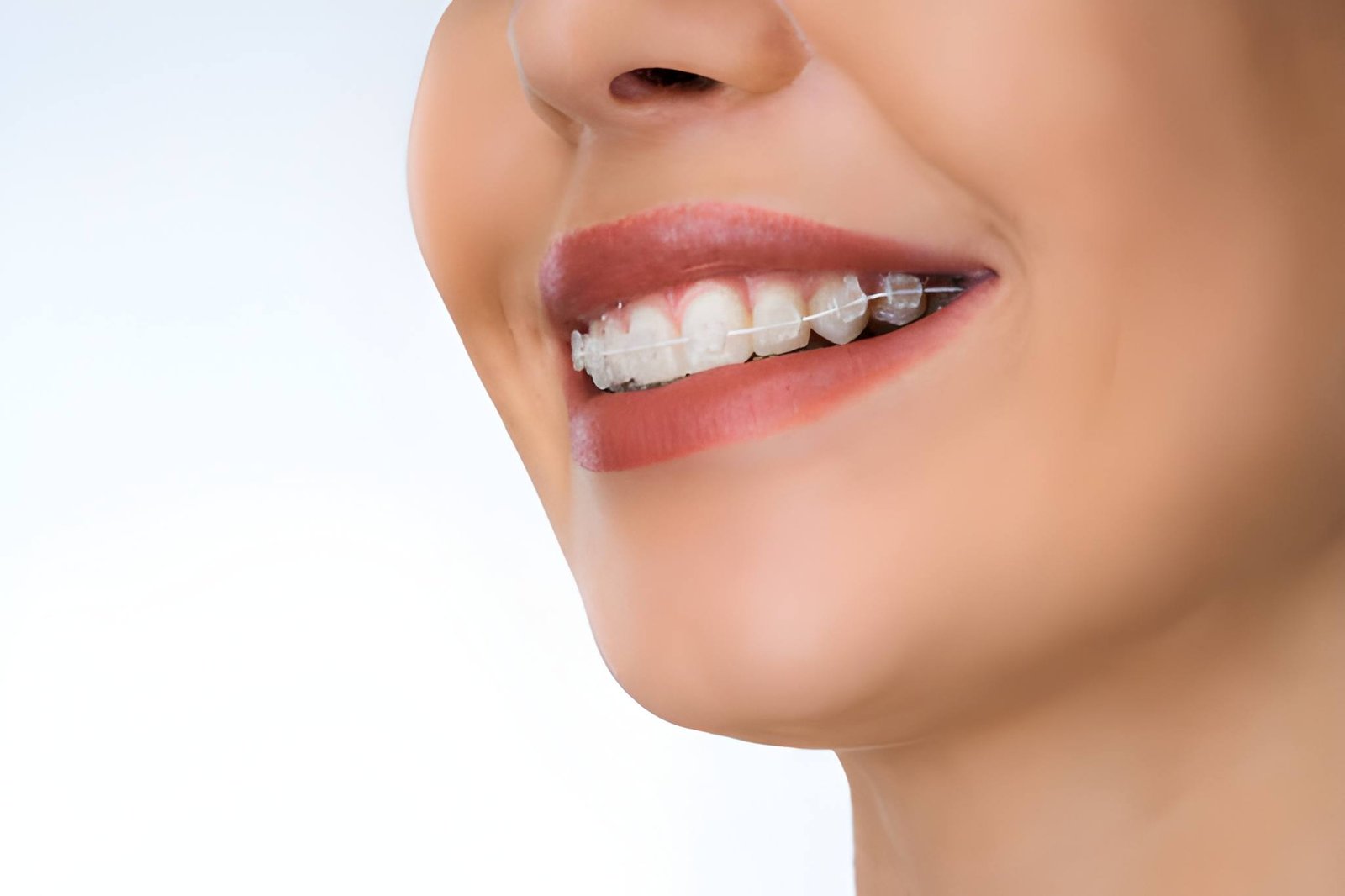
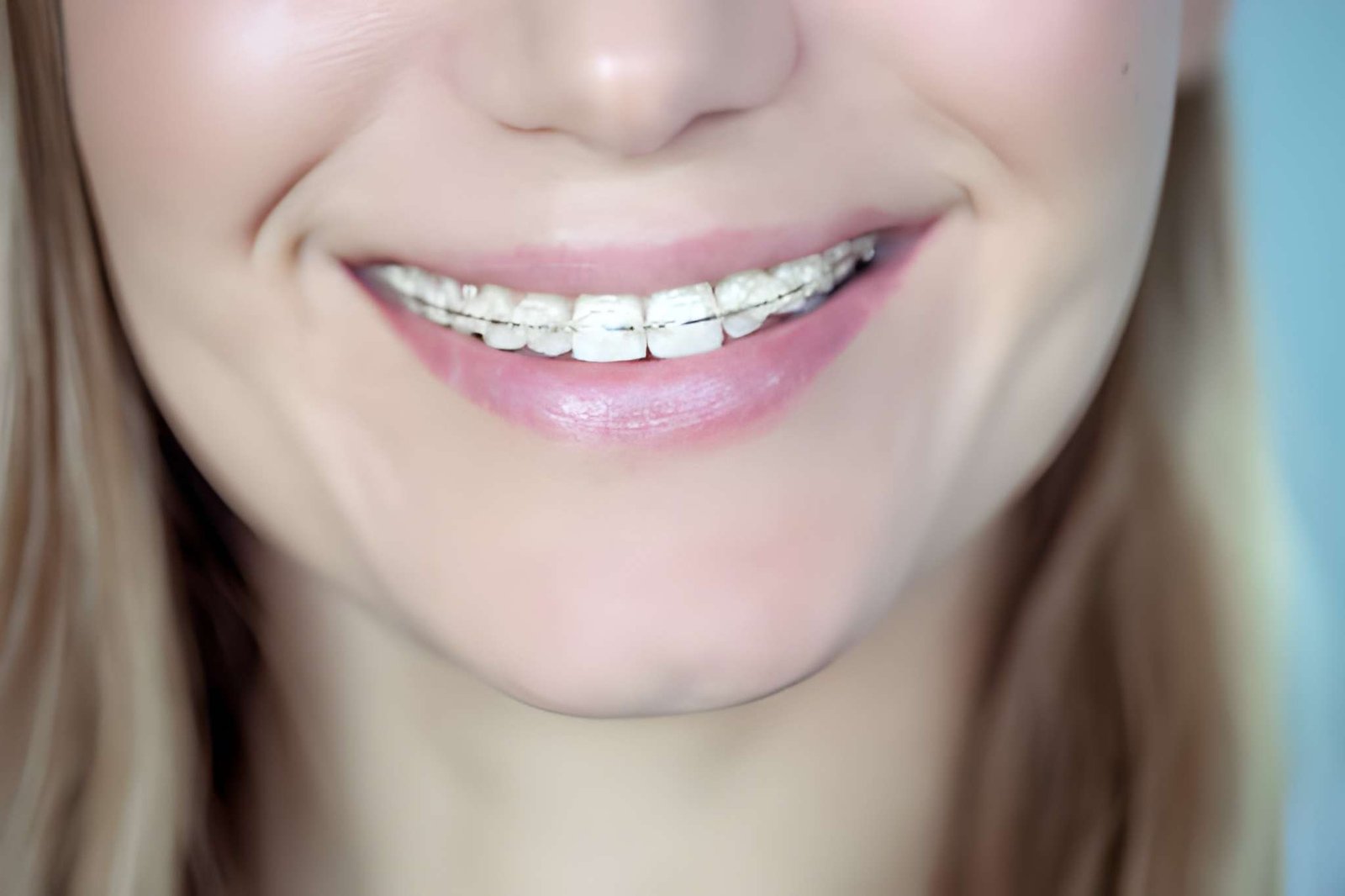
- Braces
- Invisalign and clear aligners
General Dentist vs Orthodontist: What Is the Difference?
The dentist vs orthodontist comparison is summarised as follows:
| Dentist | Orthodontist |
| Focuses on overall oral health | Focuses on tooth and jaw alignment |
| Treats common dental conditions | Treats orthodontic and bite problems |
| Provides general dental care | Provides specialist orthodontic care |
| Completes dental education | Completes dental education followed by specialist orthodontic training |
When Should You See an Orthodontist?
You can benefit from an orthodontic assessment if you notice:
- Crowded or crooked teeth
- Noticeable gaps between teeth
- An overbite or underbite
- Difficulty biting or chewing
- Teeth that do not meet properly
- Jaw shifting, discomfort or unusual sounds
- Problems caused by poorly aligned teeth
Read more: When Should Your Child First See an Orthodontist?
Final Thoughts
The main difference between a dentist and orthodontist is their area of focus. A dentist provides general care for your teeth, gums and overall oral health, while an orthodontist specialises in correcting the alignment of teeth and jaws.
Both professionals play an important role in maintaining oral health. If you need routine dental care, a dentist is usually the right choice. If you have concerns about tooth alignment or your bite, an orthodontist can assess the problem and recommend suitable treatment.
If you’re unsure whether orthodontic treatment is right for you, book a free consultation with Visage Orthodontics Aberdeen to discuss your options with a specialist team.
Frequently Asked Questions
Yes, some dentists offer braces and clear aligner treatment. However, orthodontists receive additional specialist training in tooth movement and bite correction, which can be particularly important for more complex cases.
Not always. You can often book an appointment with an orthodontist directly. Your dentist may also recommend an orthodontist if they identify an alignment or bite problem.
The orthodontist will examine your teeth and bite and discuss your concerns. They may also take photographs or X-rays to understand your dental and jaw alignment before recommending treatment.
No. Depending on your needs, treatment may involve different types of braces or clear aligners. The most suitable option depends on your teeth, bite and treatment goals rather than simply appearance.