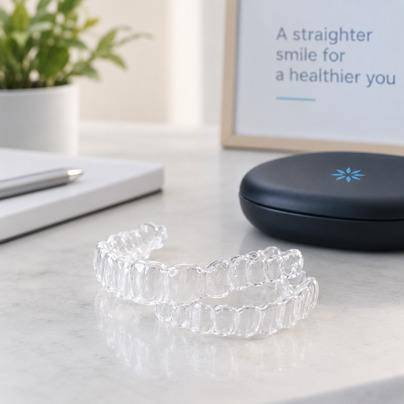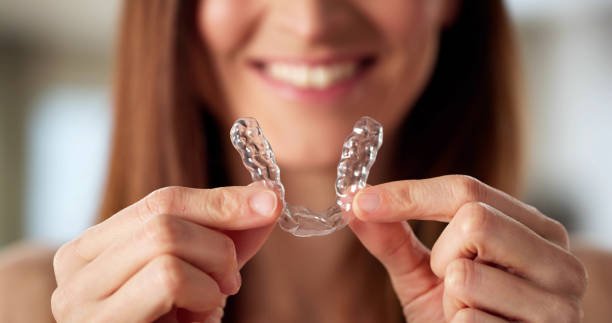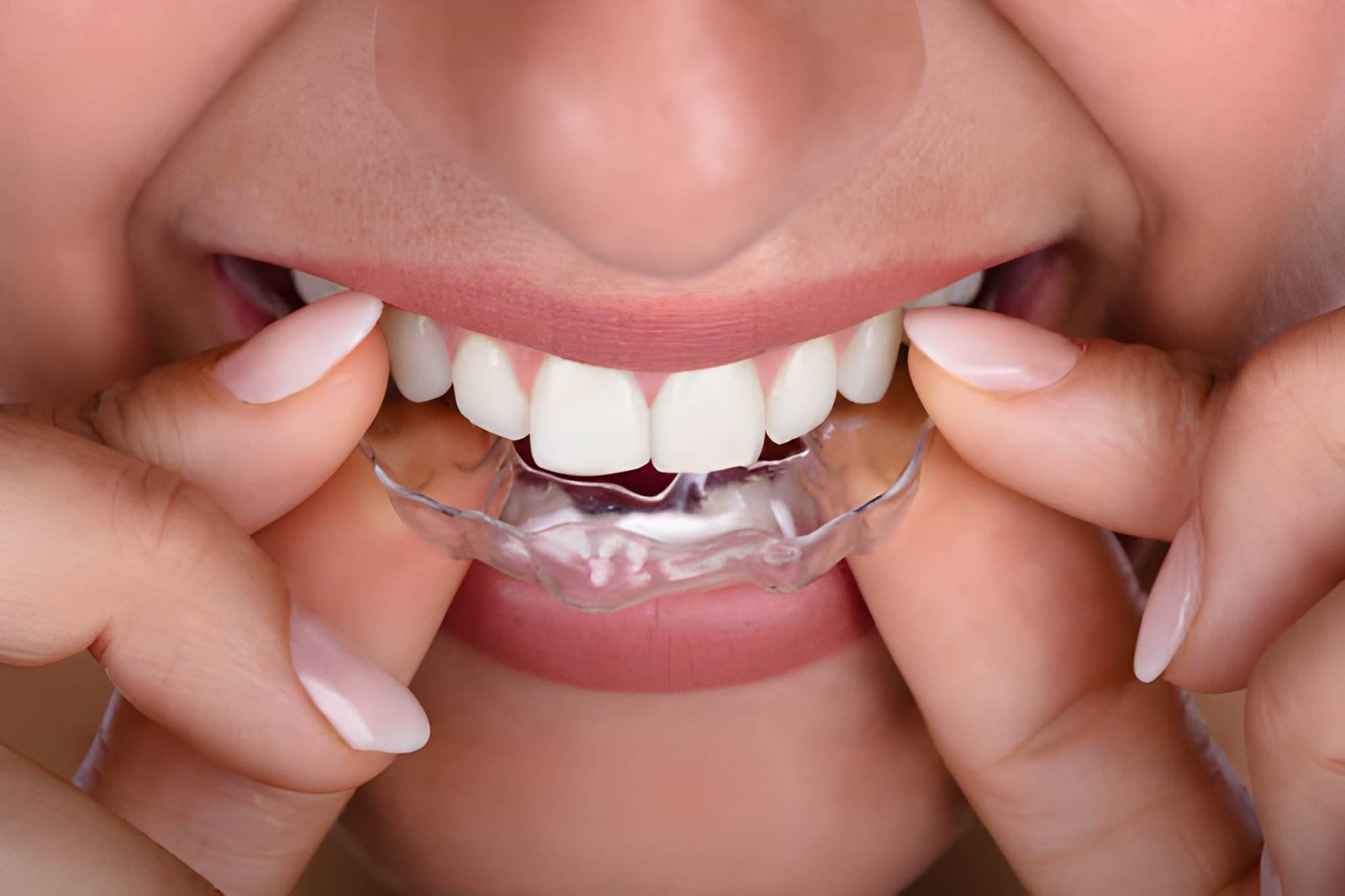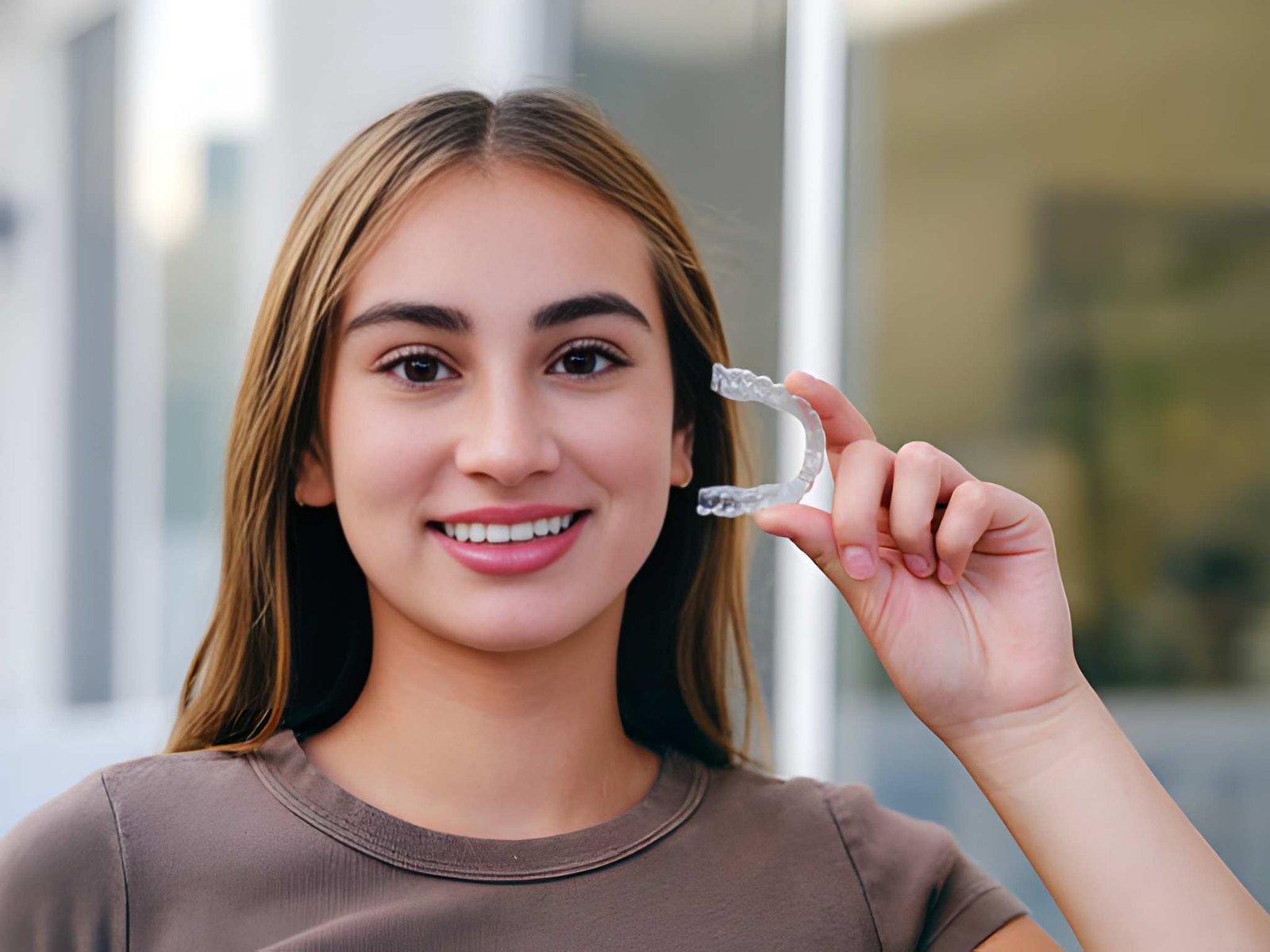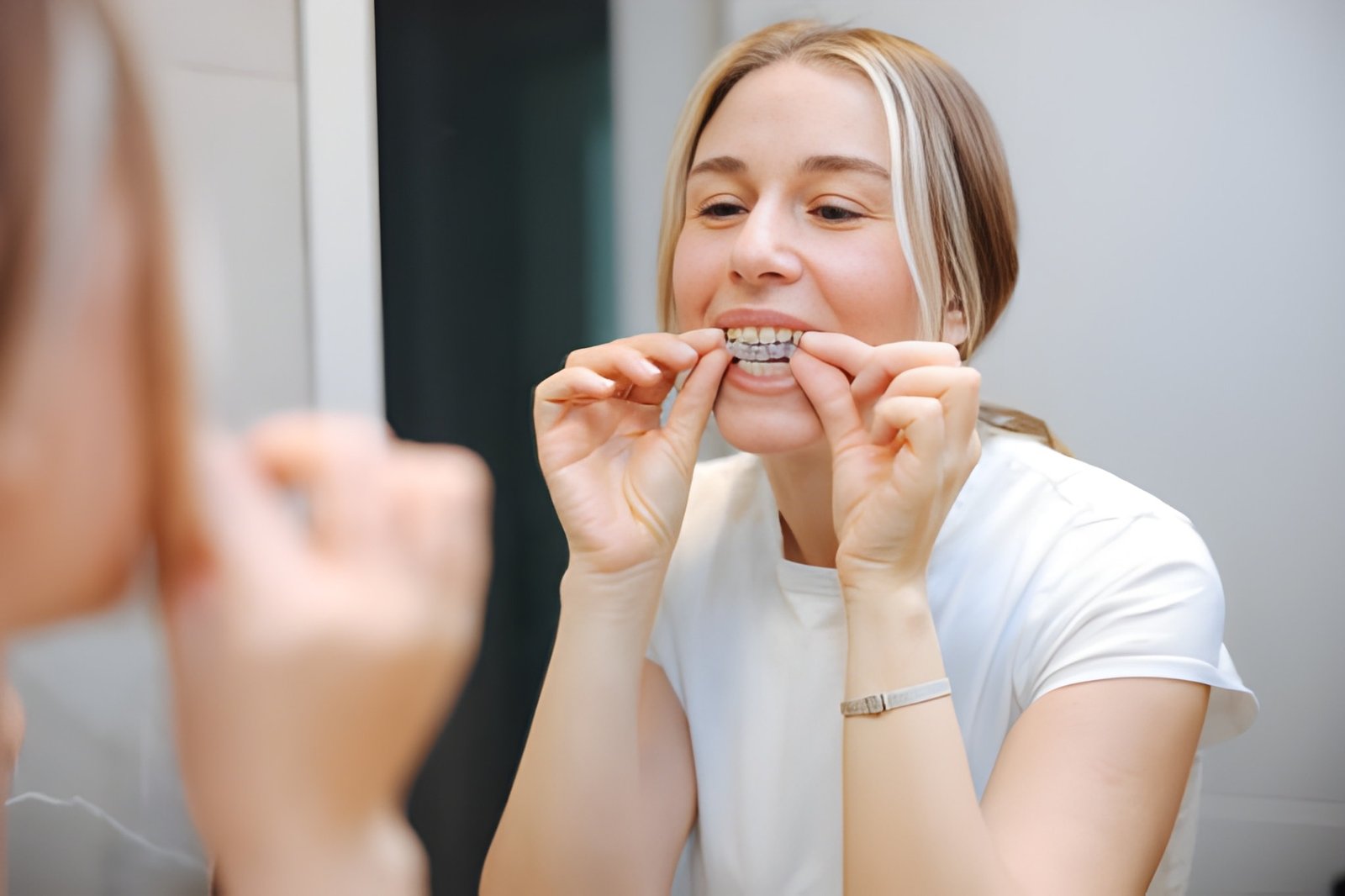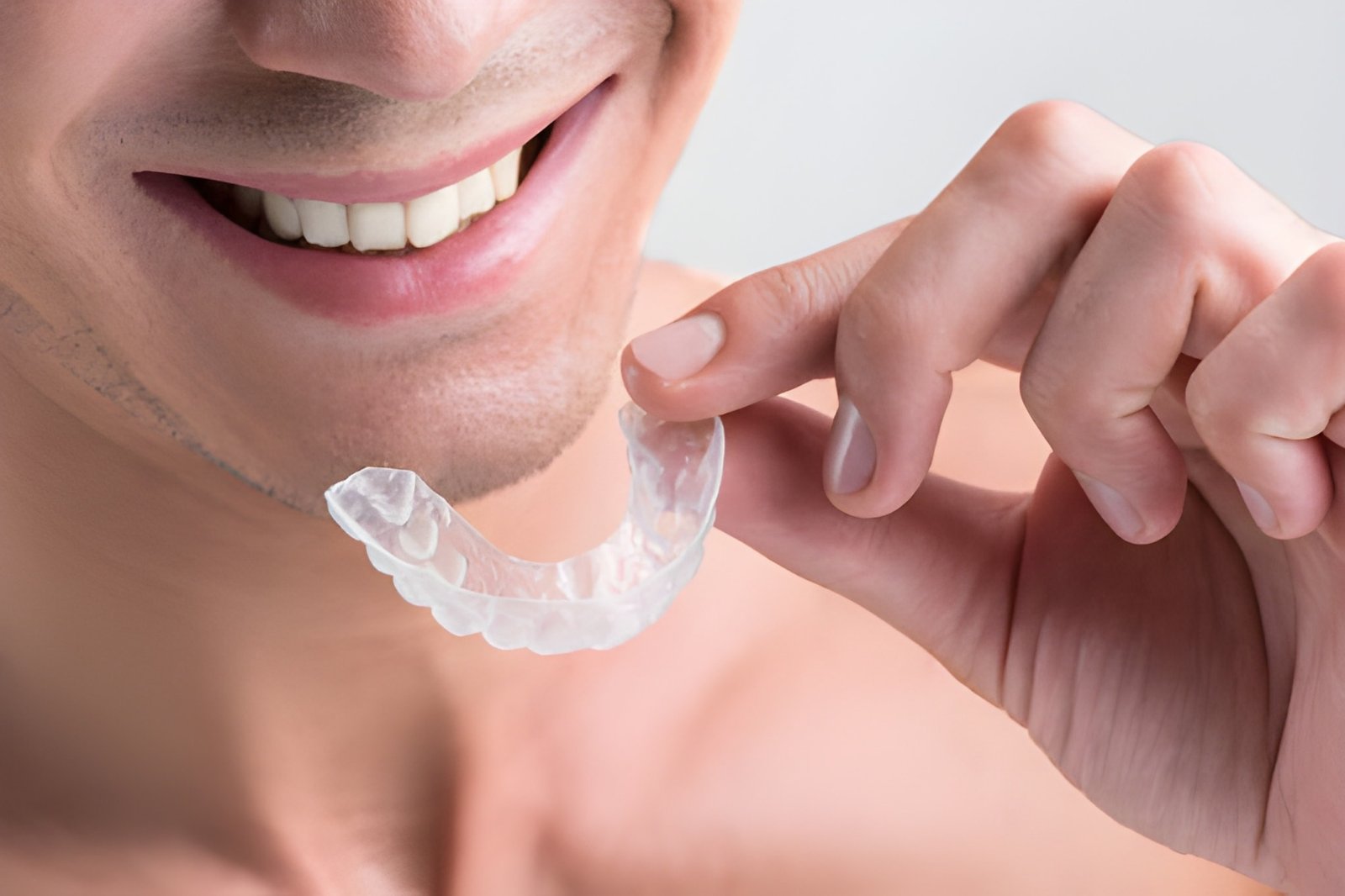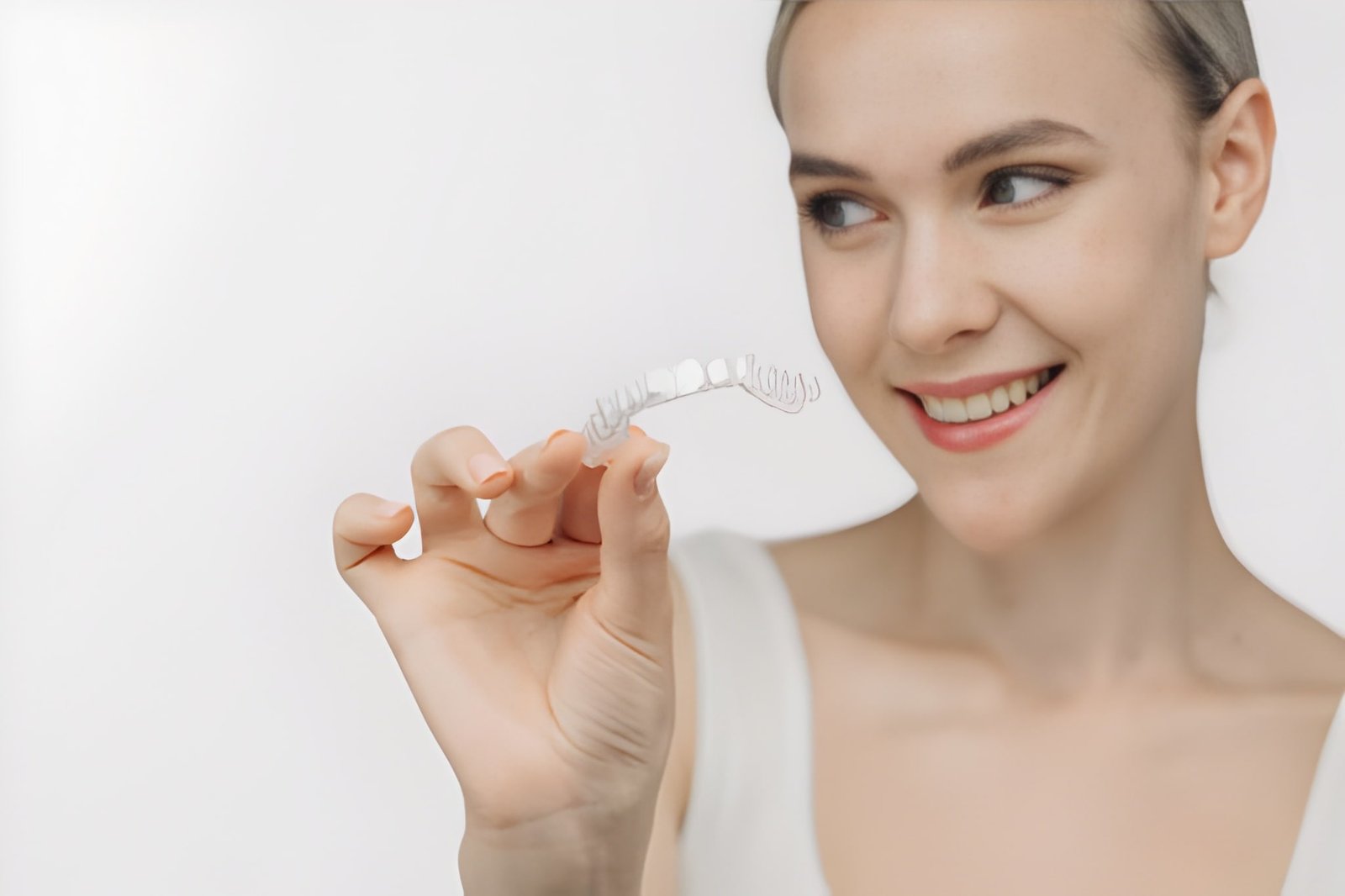

Invisalign retainers help keep your teeth in their new positions after treatment. However, they can collect saliva, plaque and bacteria with regular use. Without proper care, this can cause an unpleasant smell, staining and buildup.
Knowing how to clean Invisalign retainers properly can help keep them clear, fresh and hygienic. A simple cleaning routine also helps protect the retainer from damage.
Why Is It Important to Clean Invisalign Retainers?
Cleaning your retainer is an important part of maintaining good oral hygiene. A retainer sits against your teeth for several hours, so bacteria and debris can build up on its surface if it is not cleaned regularly.
A dirty retainer may develop an unpleasant odour. It can also become cloudy or stained over time. Plaque and bacteria on the retainer may contribute to gum irritation and other oral hygiene problems.
Regular Invisalign retainer cleaning removes debris before it has time to build up. It also helps keep the retainer comfortable to wear and looking clear.
How Often Should You Clean Invisalign Retainers?
You should clean your retainers regularly rather than waiting until they smell or look dirty. A quick rinse is useful whenever you remove them, particularly after eating.
For daily Invisalign retainer cleaning, rinse the retainer with lukewarm water and gently clean it. A deeper clean can be added to your routine when there is visible buildup or a persistent odour.
How often you need a deeper clean can depend on your retainer, cleaning product and orthodontist’s instructions. If you have been given specific care instructions, follow those first.
Learn More: Affordable Invisalign® Solutions for Aberdeen Residents
How to Clean Invisalign Retainers Step by Step
The best way to clean Invisalign retainers is to use a gentle method that removes buildup without damaging the plastic.
Step 1: Wash Your Hands
Wash your hands with soap and water before handling the retainer. This prevents dirt and bacteria from being transferred to the appliance.
Step 2: Rinse the Retainer
Rinse the retainer under lukewarm water after removing it. This helps loosen saliva, food particles and other debris.
Do not use hot water. Excessive heat can affect the shape of a clear retainer and may cause it to fit incorrectly.
Step 3: Gently Clean the Retainer
Use a soft-bristled toothbrush or a cleaning method recommended for your retainer. Clean all surfaces gently, including the areas that sit against your teeth.
Avoid aggressive scrubbing. Clear retainers can become scratched when abrasive products or excessive force are used.
Step 4: Rinse Thoroughly
After cleaning, rinse the retainer well with lukewarm water. Make sure there is no residue left on its surface before wearing it again.
Step 5: Clean the Retainer Case
The retainer case also needs regular cleaning. Placing a clean retainer inside a dirty case can transfer bacteria and debris back onto it.
Wash the case according to the manufacturer’s instructions and allow it to dry properly before storing the retainer.
Learn More: Does Invisalign Give You a Lisp?
Common Invisalign Retainer Cleaning Mistakes to Avoid
Knowing what not to use to clean Invisalign retainers is just as important as knowing how to clean them.
Avoid these common mistakes:
- Using hot or boiling water.
- Scrubbing the retainer aggressively.
- Using abrasive toothpaste or cleaning products.
- Using bleach or harsh chemicals.
- Using unsuitable mouthwash or household cleaners.
- Leaving the retainer dirty for long periods.
- Storing a dirty or wet retainer in an unclean case.
- Using a cleaning solution for longer than the product instructions recommend.
How to Keep Invisalign Retainers Clean Longer
A few simple habits can make Invisalign retainer cleaning easier:
- Rinse the retainer after removing it.
- Clean it regularly using a gentle method.
- Deep clean it when there is visible buildup or an unpleasant odour.
- Keep the retainer case clean and dry.
- Store the retainer safely when it is not being worn.
- Keep it away from hot water and excessive heat.
- Follow the cleaning instructions provided by your orthodontist.
Learn More: Can Your Teeth Get Cavities During Invisalign Treatment?
When Should You Replace Your Invisalign Retainer?
Cleaning can remove surface buildup, but it cannot repair a damaged retainer. You may need a replacement if the retainer is cracked, warped or no longer fits correctly.
You should also contact your orthodontist if the retainer becomes difficult to insert or does not sit properly over your teeth.
Persistent staining or odour may also require professional advice, particularly if cleaning does not resolve the problem.
Do not try to reshape a damaged retainer yourself. Your orthodontist can check its condition and determine whether a replacement is necessary.
Final Thoughts
Keeping your Invisalign retainer clean does not need to be complicated. Rinse it regularly, clean it gently and use a suitable product for deeper cleaning when needed.
Avoid hot water, abrasive products and harsh chemicals. Keep the retainer case clean and store the appliance properly.
If your retainer is cracked, warped, does not fit correctly or continues to smell despite proper cleaning, speak to your orthodontist. Professional advice can help you determine whether the retainer needs further care or replacement.
Need professional advice about caring for your retainers? Visit Visage Orthodontics Aberdeen’s (Retainer FAQs) for guidance on retainer care, maintenance and replacement. If your retainer is damaged, no longer fits correctly or needs replacing, contact Visage Orthodontics to arrange a consultation with our experienced orthodontic team.