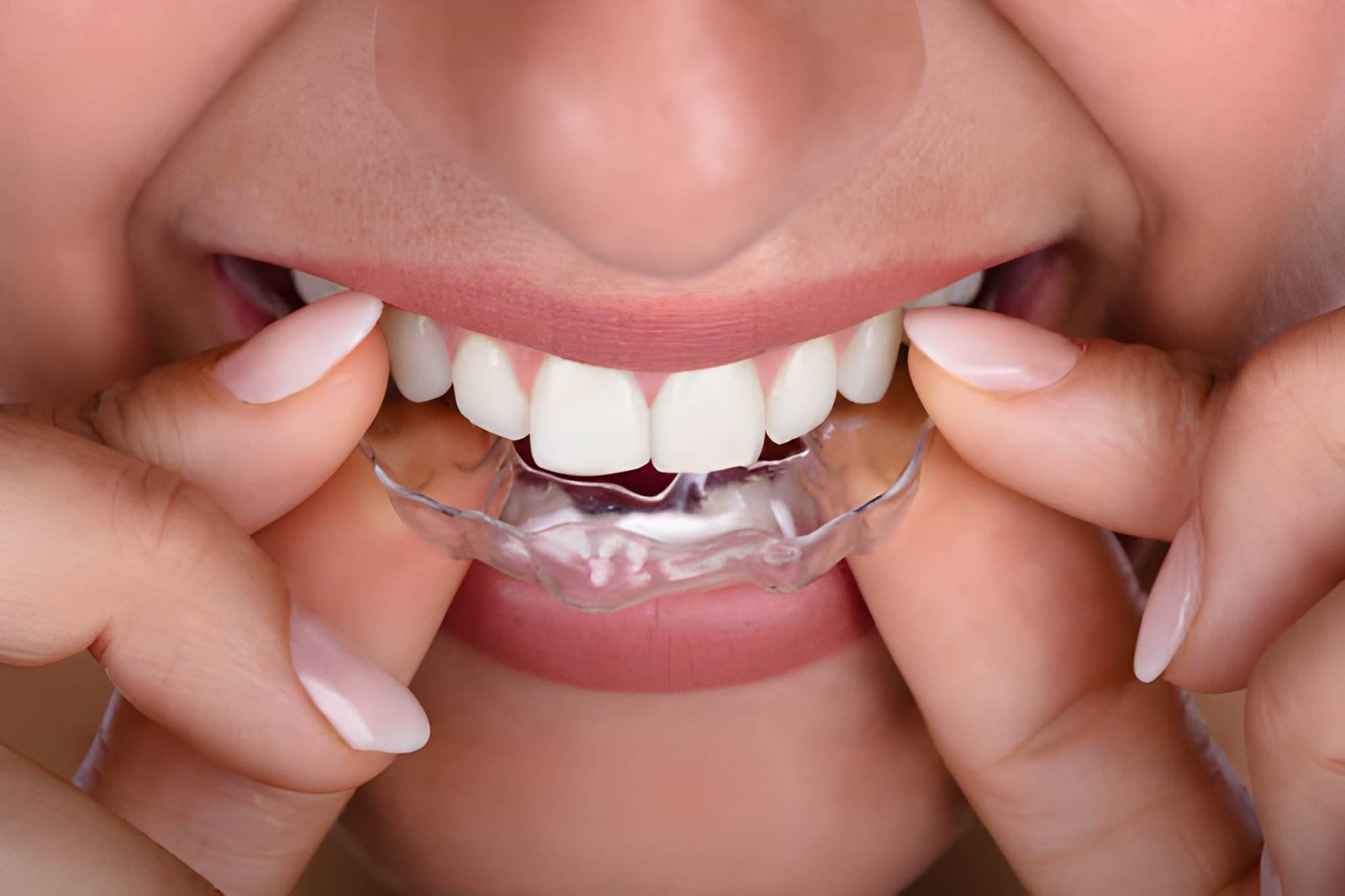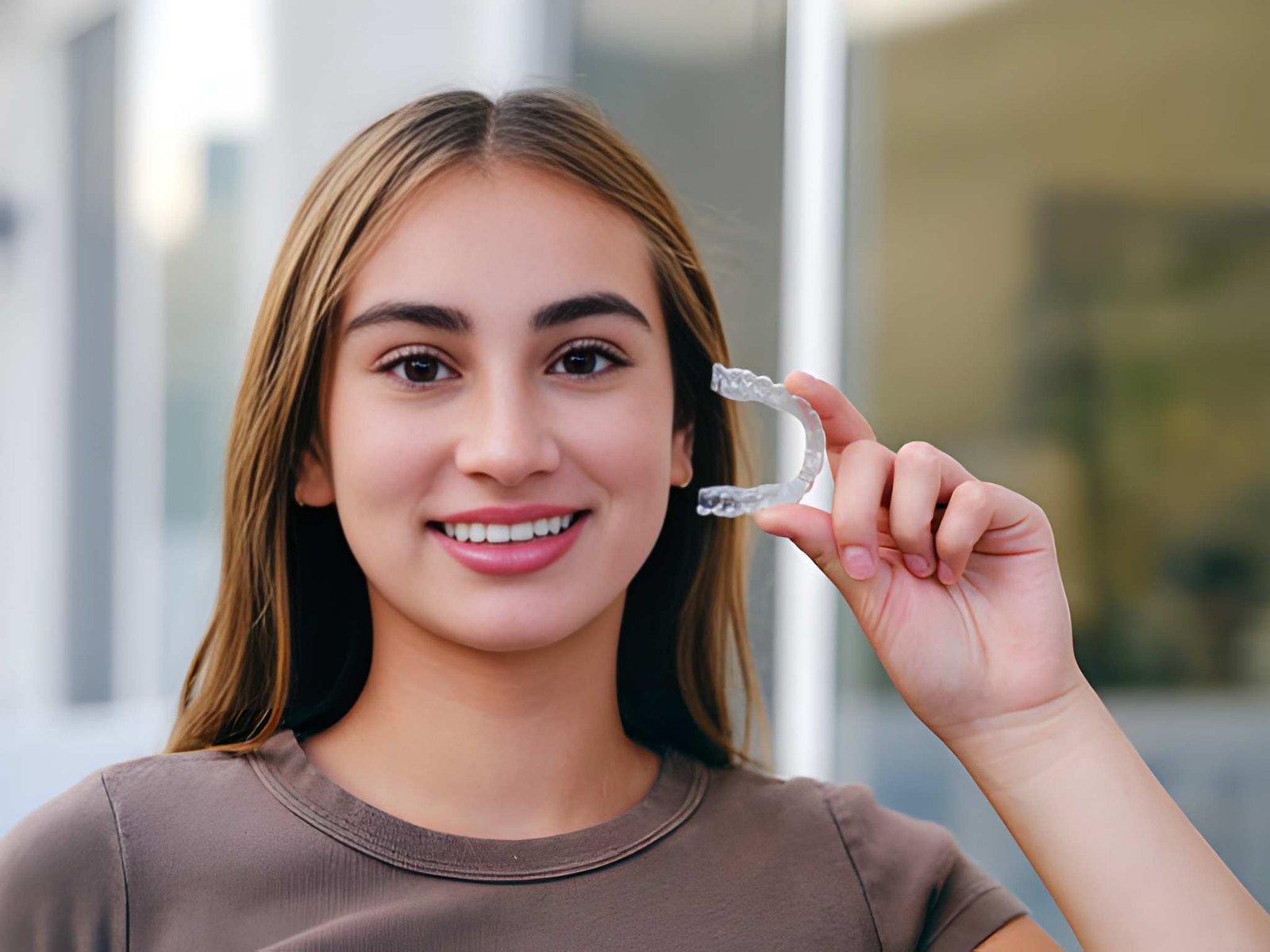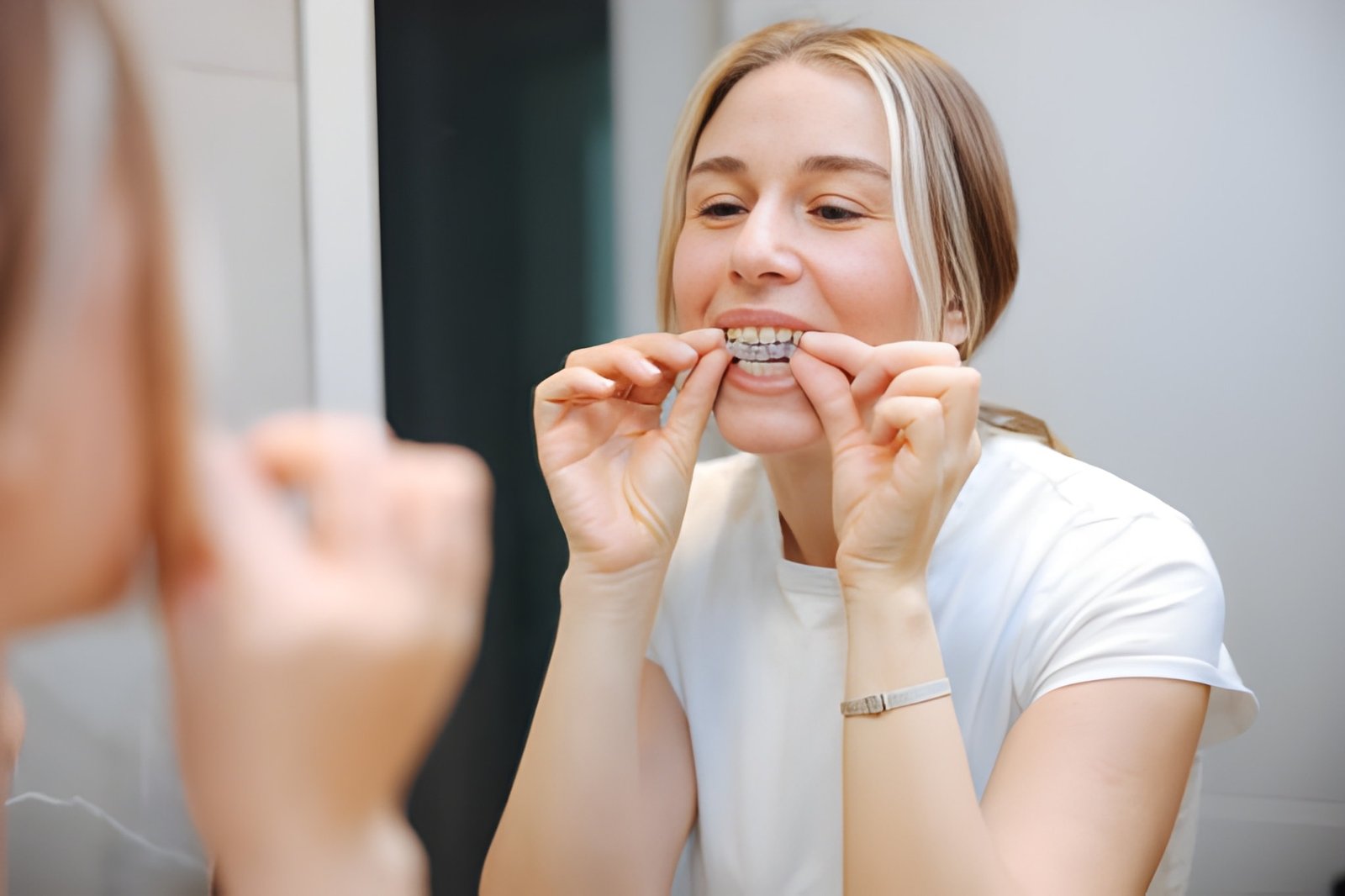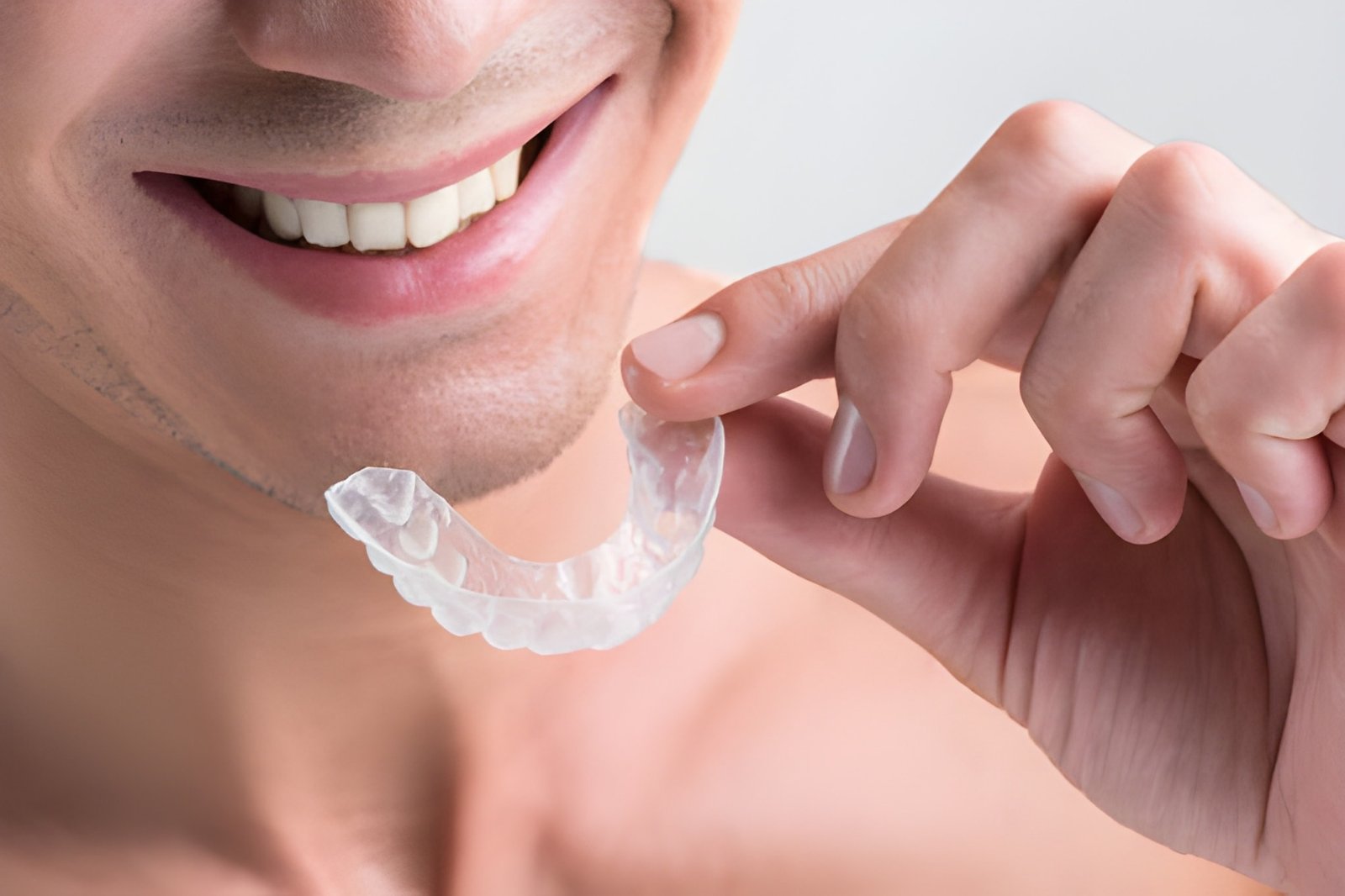

Yes, you can get cavities during Invisalign treatment. However, Invisalign does not directly cause tooth decay. Cavities are more likely to develop when plaque, food particles and sugar remain on the teeth for long periods.
Since aligners cover your teeth for most of the day, good oral hygiene is important throughout treatment. The aligners can be removed for brushing and flossing, making it possible to maintain a normal cleaning routine.
Why Can Cavities Develop During Invisalign Treatment?
Several habits can increase the chance of getting cavities with Invisalign.
Plaque Build-Up
Plaque contains bacteria that produce acids when they come into contact with sugars from food and drinks. If plaque is not removed regularly, these acids can weaken the enamel and lead to cavities.
Putting your aligners over teeth with plaque can allow the plaque to remain against the tooth surface for longer.
Eating or Drinking With Aligners
You should remove Invisalign aligners before eating. Food and sugar can remain on your teeth and become trapped beneath the aligners if you put them back without cleaning your mouth.
Water is generally suitable while wearing aligners. Other drinks should usually be consumed with the aligners removed, according to your orthodontist’s instructions.
Frequent Sugary Foods and Drinks
Frequent exposure to sugar increases the number of times your teeth are exposed to acids produced by plaque bacteria.
Fizzy drinks, fruit juice, sweets and other sugary foods can increase the risk of tooth decay. Limiting these foods and drinks can support better oral health during Invisalign treatment.
Poor Oral Hygiene
Brushing twice a day and cleaning between your teeth are important during Invisalign treatment. If plaque remains around the gumline or between the teeth, it can contribute to tooth decay.
One advantage of Invisalign is that the aligners can be removed, allowing you to brush and floss without brackets or wires getting in the way.
Unclean Aligners
Aligners can collect saliva, plaque and bacteria during daily use. Cleaning them regularly helps maintain good oral hygiene.
Follow your orthodontist’s instructions for cleaning your aligners and avoid putting them back onto unclean teeth.
Also Read: How to Live Comfortably with Invisalign® in Aberdeen
Does Invisalign Increase Your Risk of Cavities?
Invisalign does not automatically increase your risk of cavities. Because the aligners are removable, they can make brushing and flossing easier than with fixed braces.
Your risk of cavities with Invisalign depends largely on your oral hygiene and diet. Leaving plaque on your teeth, frequently consuming sugary foods and drinks, or wearing unclean aligners can increase your risk.
Regular brushing, interdental cleaning, sensible dietary choices and routine dental check-ups can help protect your teeth during treatment.
How to Prevent Cavities With Invisalign?
Good oral hygiene is the best way to reduce your risk of cavities during treatment. Follow these simple habits throughout your Invisalign treatment.
Brush Before Putting Your Aligners Back In
Brush your teeth after meals before replacing your aligners whenever possible. This removes food particles and plaque that could remain against your teeth.
Use fluoride toothpaste and a soft-bristled toothbrush. If you cannot brush straight away, rinse your mouth with water before putting your aligners back in.
Floss Every Day
Flossing removes plaque and food from between the teeth, where a toothbrush cannot reach properly.
Make interdental cleaning part of your daily routine. Your dentist can recommend floss, interdental brushes or another suitable method.
Remove Your Aligners Before Eating
Always remove your Invisalign aligners before eating. This helps prevent food particles from becoming trapped between the aligners and your teeth.
Avoid drinking anything other than water while wearing the aligners unless your orthodontist advises otherwise.
Limit Sugary Foods and Drinks
Reduce how often you consume sweets, sugary drinks and other foods high in added sugars. Frequent sugar exposure can increase the risk of tooth decay.
If you do have something sugary, clean your teeth before putting your aligners back in.
Clean Your Aligners
Clean your aligners regularly according to your orthodontist’s instructions. This helps remove plaque, bacteria and other build-up from their surfaces.
Avoid using very hot water, as it can affect the shape of the aligners.
Keep Your Dental Check-ups
Continue seeing your dentist for regular check-ups during Invisalign treatment. Your dentist can identify early signs of decay and provide preventive care when needed.
Also Read: How Much Does It Cost for Invisalign?
Invisalign and White Spots: Are They Cavities?
White spots on teeth are not necessarily cavities. They can be a sign of enamel demineralisation, which occurs when minerals are lost from the tooth surface.
These areas can develop when plaque and acids remain on the teeth. They may be an early sign of tooth damage and should be assessed by a dentist.
Good oral hygiene and adequate fluoride exposure can help reduce the risk of enamel demineralisation during orthodontic treatment.
Signs You May Have a Cavity During Invisalign Treatment
A cavity does not always cause noticeable symptoms in its early stages. However, possible signs include:
- Tooth sensitivity to cold or sweet foods
- Toothache or ongoing tooth discomfort
- Pain when biting or chewing
- A visible white, brown or dark spot on a tooth
- Increased sensitivity in one particular tooth
Also Read: How Long Does Invisalign Take to Work?
Final Thoughts
You can get cavities during Invisalign treatment, but Invisalign itself does not directly cause them. Keeping your teeth and aligners clean, limiting sugary foods and drinks, and maintaining regular dental care can help protect your teeth throughout treatment.
If you notice tooth sensitivity, pain or changes in the appearance of a tooth, speak to your dentist rather than waiting until your Invisalign treatment is finished.
If you are considering Invisalign in Aberdeen or have concerns about your oral health during treatment, book an Invisalign consultation with Visage Orthodontics in Aberdeen. Our specialist orthodontic team can assess your needs and help you choose the right treatment for your smile.
Frequently Asked Questions
If you develop a cavity during Invisalign treatment, contact your dentist. Your dentist will assess the cavity and decide whether treatment is needed. A filling or other dental treatment may be possible while you continue Invisalign.
Yes. You can have a cavity treated while undergoing Invisalign treatment. Your aligners are removed during the dental procedure and your dentist will check whether the existing aligner still fits properly afterwards.
It can, depending on the size and location of the filling. A small filling may not noticeably change the shape of the tooth, while a larger restoration can affect how the aligner fits.
Not necessarily. Treatment can often continue after the cavity has been treated, but this depends on the extent of the decay and whether the restoration changes the tooth’s shape.
Very early enamel mineral loss can sometimes be managed with preventive care before a true cavity forms. Once a physical cavity has developed, however, it generally cannot be reversed with brushing alone. Your dentist can determine whether an area needs monitoring or treatment.