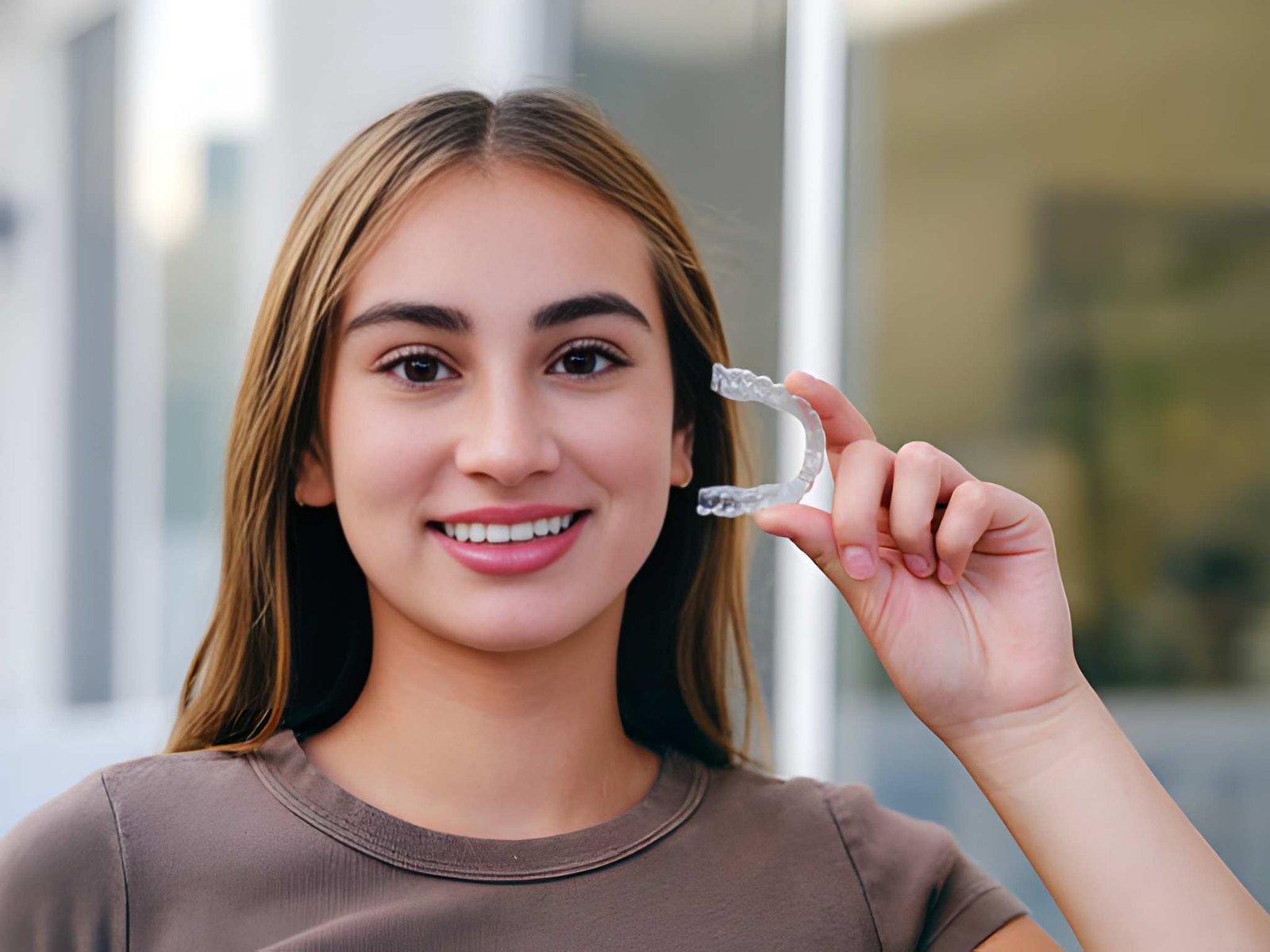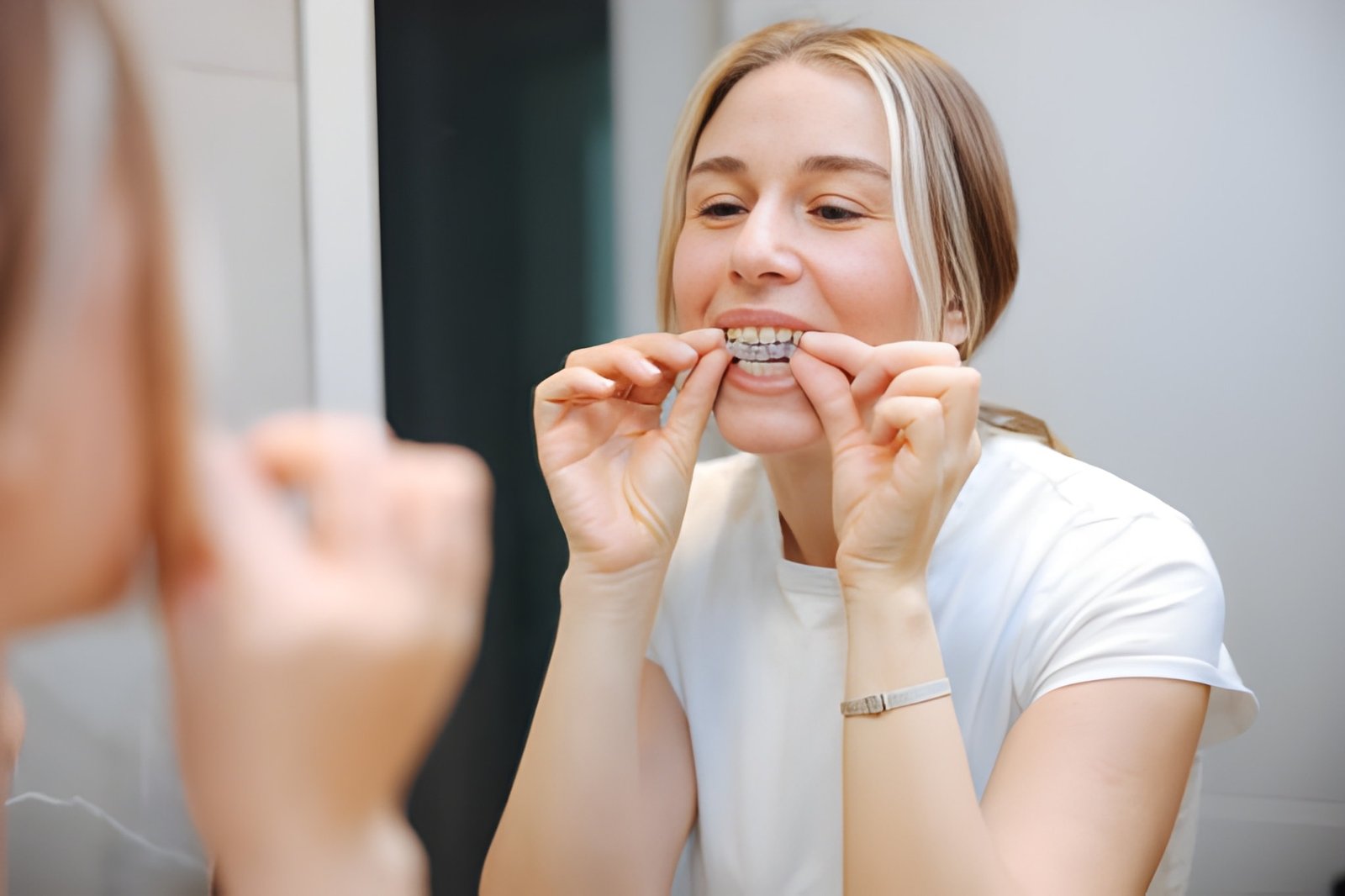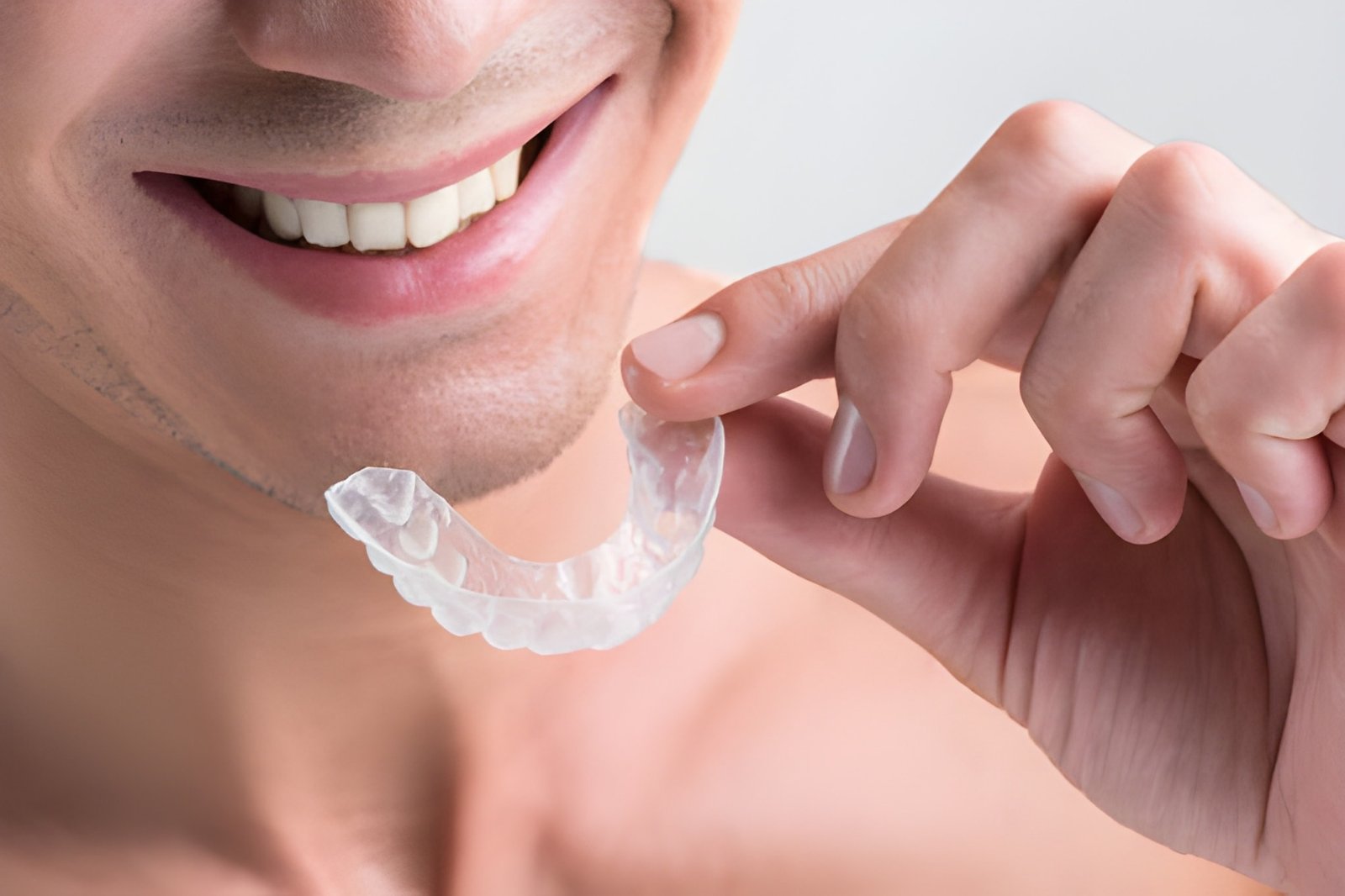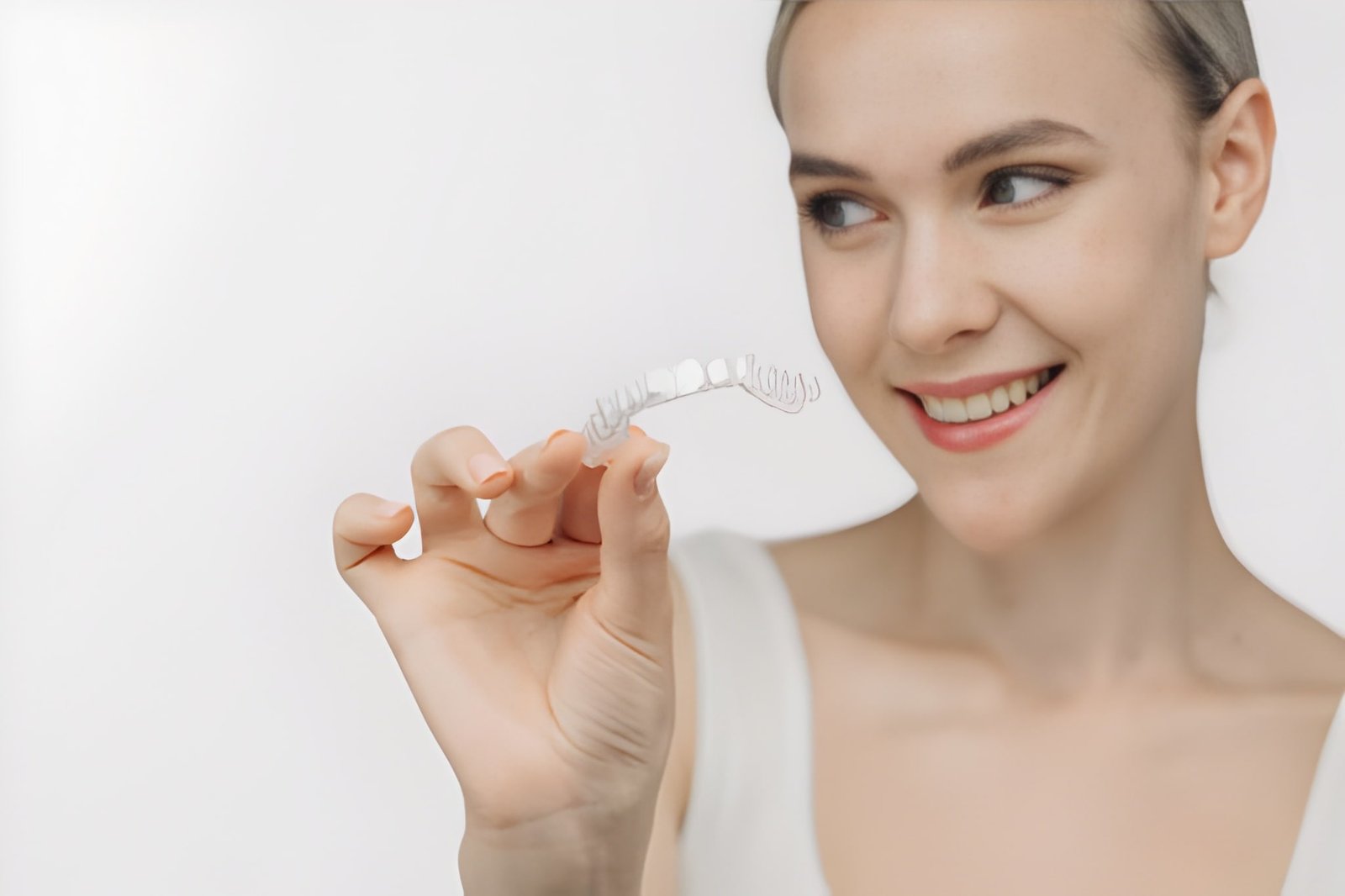
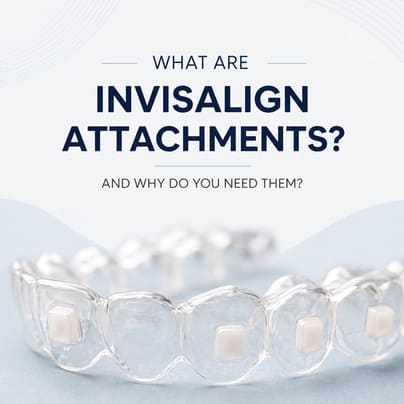
If you’re considering Invisalign treatment, you’ve probably heard about Invisalign attachments. These small, tooth-coloured shapes are a common part of many treatment plans, but many patients are unsure why they are needed or what they actually do.
While Invisalign aligners can correct a wide range of orthodontic issues on their own, some tooth movements require extra precision. That’s where attachments come in. They help the aligners apply the right amount of pressure to specific teeth, making treatment more effective and predictable.
In this guide, you’ll learn what are Invisalign attachments, how they work, why they’re used, what they’re made of and what to expect if your orthodontist recommends them.
What Are Invisalign Attachments?
Invisalign attachments are small, tooth-coloured composite shapes bonded to selected teeth during Invisalign treatment. They are also known as Invisalign attachment buttons, Invisalign buttons or clear aligner attachments.
Their role is to give Invisalign aligners a better grip on your teeth, allowing them to apply force more precisely. The size, shape and number of attachments vary depending on your treatment plan and the type of tooth movement required.
Because they closely match the colour of your teeth, they are usually less noticeable than traditional braces. Once your treatment is complete, your orthodontist removes them safely without damaging the tooth surface.
What Are Invisalign Attachments Made Of?
Invisalign attachments are made from a tooth-coloured composite resin. This is the same material commonly used for dental bonding and white fillings.
The resin is matched to the shade of your teeth before being bonded to the enamel with a dental adhesive. A curing light hardens the material, creating a secure attachment that can withstand everyday eating and brushing.
Although durable, attachments can occasionally come loose. If this happens, your orthodontist can replace them quickly during a routine visit.
What Are Invisalign Attachments Used For?
The main purpose of Invisalign attachments is to help aligners move teeth more effectively. Since Invisalign aligners are smooth, they sometimes need extra grip to carry out complex movements.
Your orthodontist may use attachments to:
- Rotate teeth
- Move teeth vertically
- Correct tilted teeth
- Close gaps
- Improve bite alignment
- Keep aligners fitting securely
Read More: How Long Does Invisalign Take to Work?
Why Do You Need Invisalign Attachments?
Not every patient needs Invisalign aligner attachments, but they are essential for many moderate and complex cases.
Attachments act like small handles that allow the aligners to apply pressure in the right direction. This improves the accuracy of tooth movement and helps your treatment progress as planned.
Your orthodontist may recommend attachments if your teeth need significant rotation, bite correction or other movements that aligners alone cannot perform efficiently. Their use is based entirely on your individual treatment needs.
Invisalign Attachment Placement: How Are They Put On?
Invisalign attachment placement is a simple and painless procedure.
The process involves:
- Cleaning and drying the teeth.
- Placing a customised template over the teeth.
- Adding tooth-coloured composite resin to the template.
- Hardening the resin with a curing light.
- Removing the template and checking the fit of the aligners.
Do All Patients Need Invisalign Attachments?
No. Whether you need Invisalign attachments depends on your treatment plan. Patients with minor spacing or alignment issues may achieve the desired results using Invisalign aligners alone.
However, if your treatment involves rotating teeth, correcting your bite or moving teeth vertically, your orthodontist may recommend attachments. They improve the grip between the aligners and your teeth, making these movements more predictable and efficient.
Read More: What Are the Benefits of Invisalign?
Are Invisalign Attachments Noticeable?
Since tooth-coloured attachments are matched to the natural shade of your teeth, they are far less noticeable than metal braces. Most people won’t notice them during everyday conversations.
They may be slightly more visible on the front teeth or when your aligners are removed, but they remain a discreet part of Invisalign treatment.
Do Invisalign Attachments Hurt?
The placement of Invisalign attachments is painless because nothing is drilled into your teeth. You may notice slight pressure or tenderness when you begin wearing a new set of aligners, as this indicates your teeth are moving.
Some people also find the attachments feel rough against their lips or cheeks during the first few days. This feeling usually disappears as your mouth adjusts.
How Long Do Invisalign Attachments Stay On?
Most Invisalign attachments remain on your teeth for the duration of your Invisalign treatment. In some cases, your orthodontist may remove or replace certain attachments as your treatment progresses.
How to Care for Invisalign Attachments
Looking after your attachments is simple and helps keep your treatment on track.
Follow these tips:
- Brush your teeth twice a day using a soft-bristled toothbrush.
- Floss daily to remove plaque around the attachments.
- Clean your Invisalign aligners regularly.
- Remove your aligners before eating or drinking anything except water.
- Contact your orthodontist if an attachment becomes loose or falls off.
What Happens After Invisalign Attachments Are Removed?
Once your orthodontist confirms that your teeth have reached their planned positions, the attachments are carefully removed using specialised dental instruments. The remaining composite resin is then polished away, leaving the tooth surface smooth.
The procedure is quick and does not damage healthy enamel when performed by a dental professional. Your teeth may feel smoother immediately afterwards because the raised attachments are no longer present.
Read More: Can Invisalign Fix an Overbite or Underbite?
Final Thoughts
Invisalign attachments are small but important components of many Invisalign treatment plans. Whether they’re used to rotate teeth, improve your bite or increase the precision of treatment, attachments play a key role in creating predictable results.
If your orthodontist recommends Invisalign attachments, they’re there to help you achieve a healthier, straighter smile as efficiently as possible.
If you’re considering Invisalign treatment in Aberdeen, our experienced orthodontists can create a personalised treatment plan and determine whether Invisalign attachments are right for your smile. Contact us today to book your consultation and take the first step towards a straighter, healthier smile.
Frequently Asked Questions
Yes. Mild cases do not require Invisalign attachments. However, for more complex tooth movements, attachments help Invisalign aligners work more accurately and efficiently.
The attachments themselves don’t hurt. You may feel slight pressure or tenderness for a day or two after starting a new set of aligners as your teeth begin to move.
Most Invisalign attachments stay on for the duration of your treatment. Some may be removed or replaced if your treatment plan changes.
Keep wearing your aligners and contact your orthodontist. They will assess whether the attachment needs to be replaced before your next aligner stage.
Yes, they can pick up stains from coffee, tea, red wine or smoking. Brushing regularly and maintaining good oral hygiene helps keep attachments looking clean.