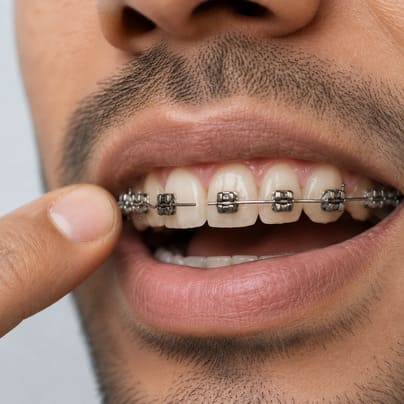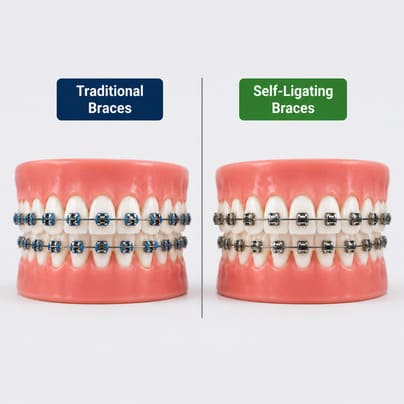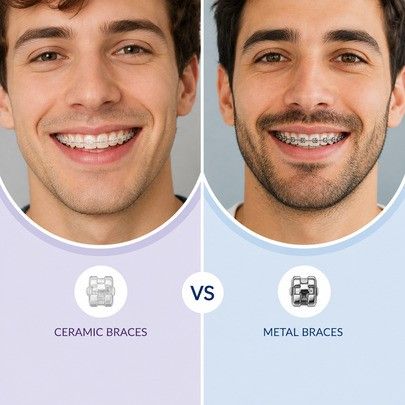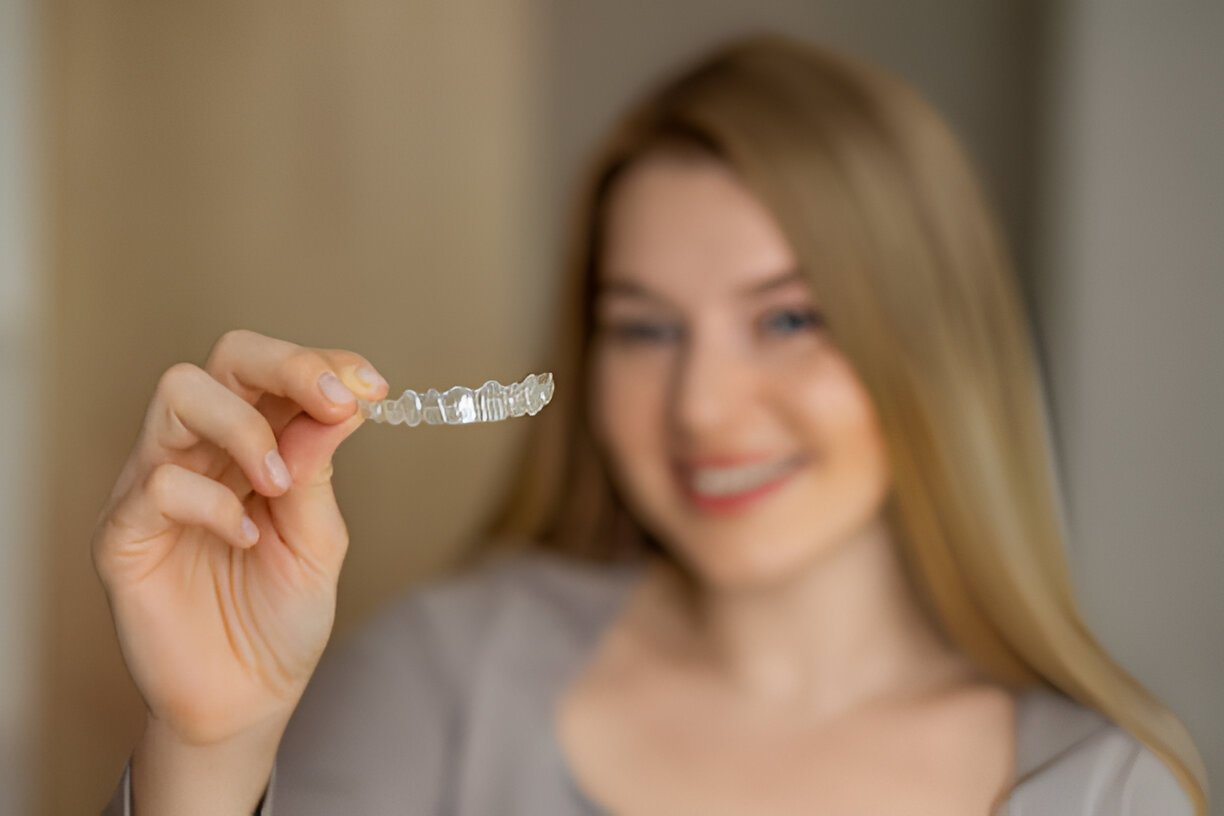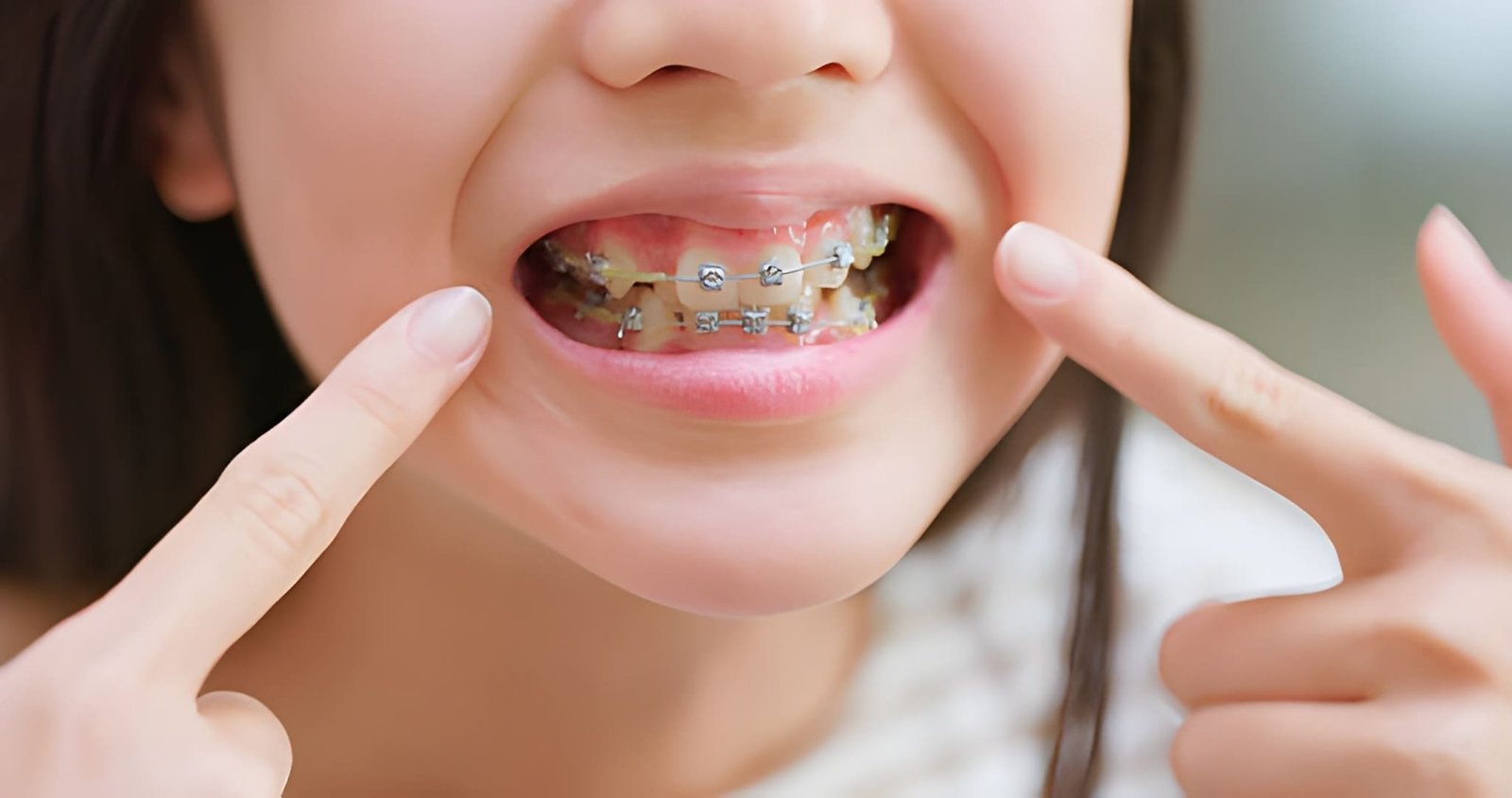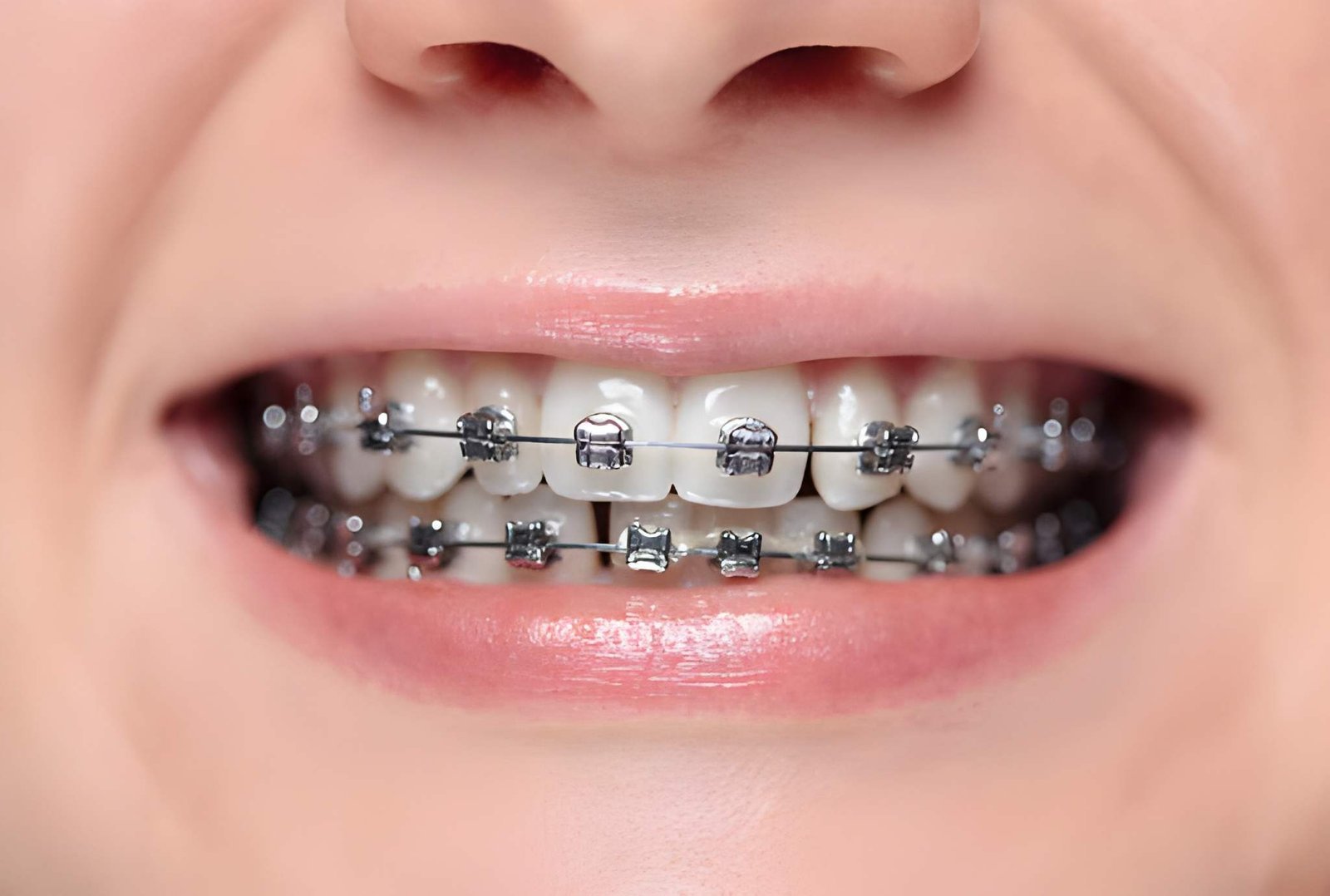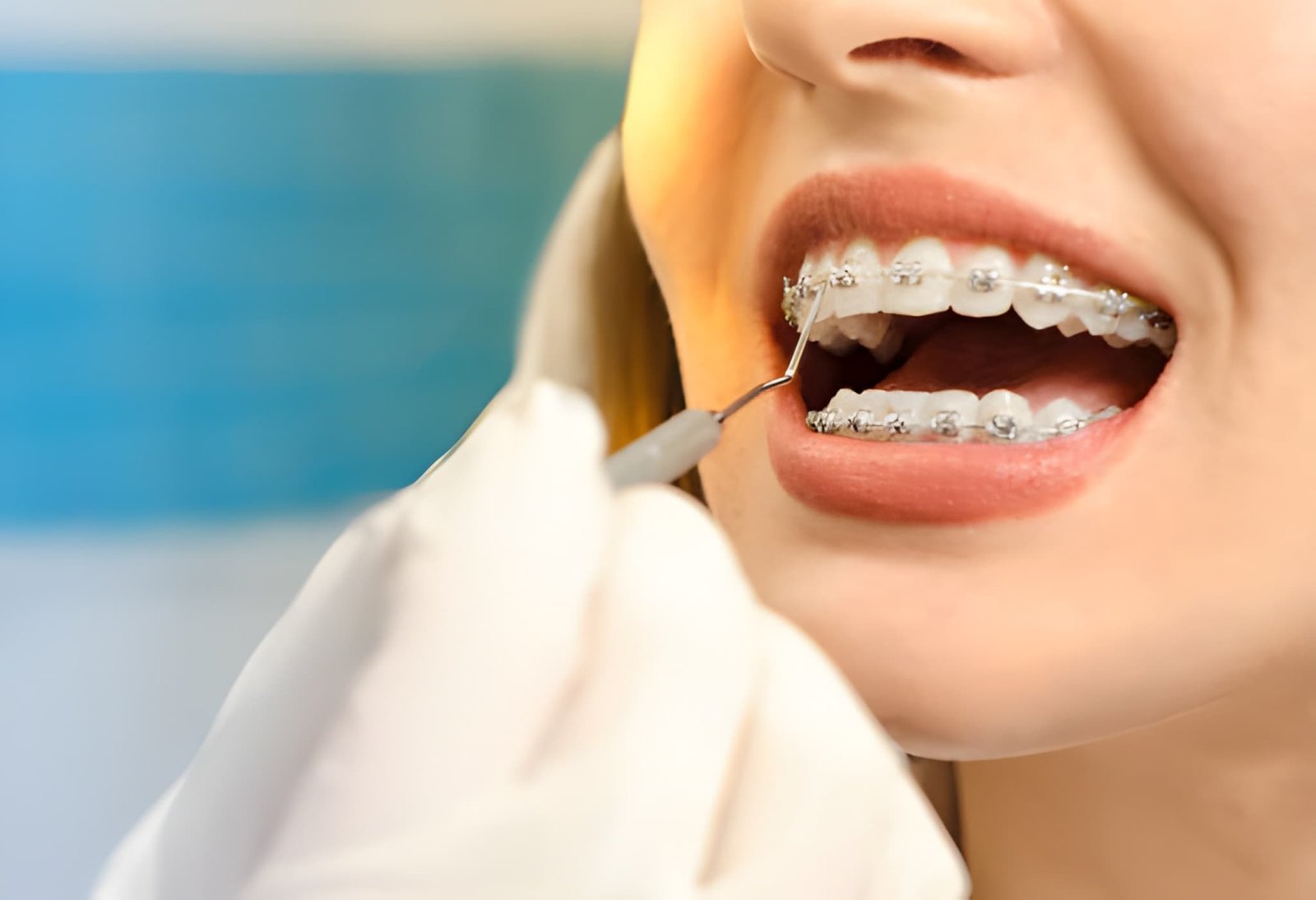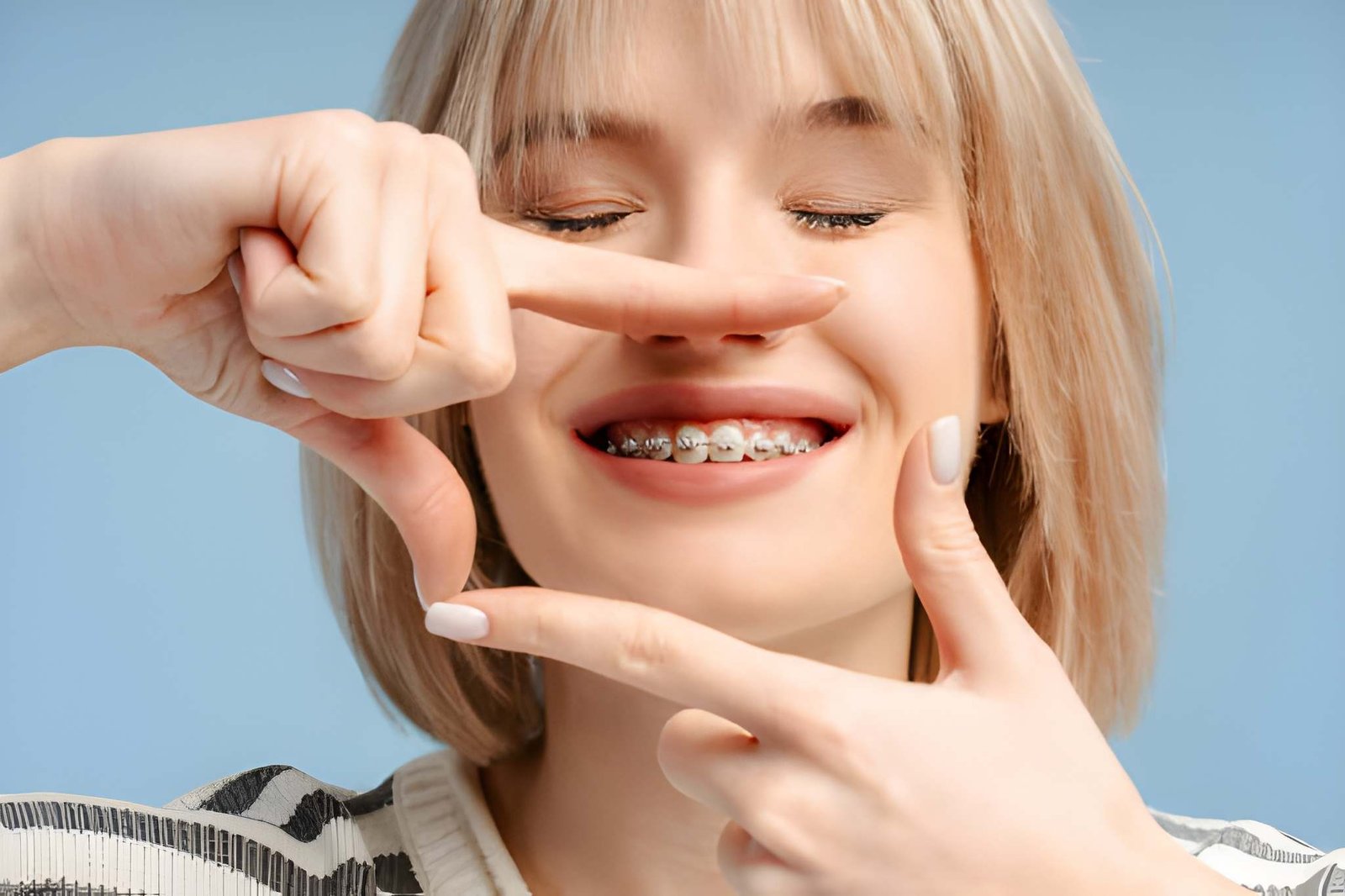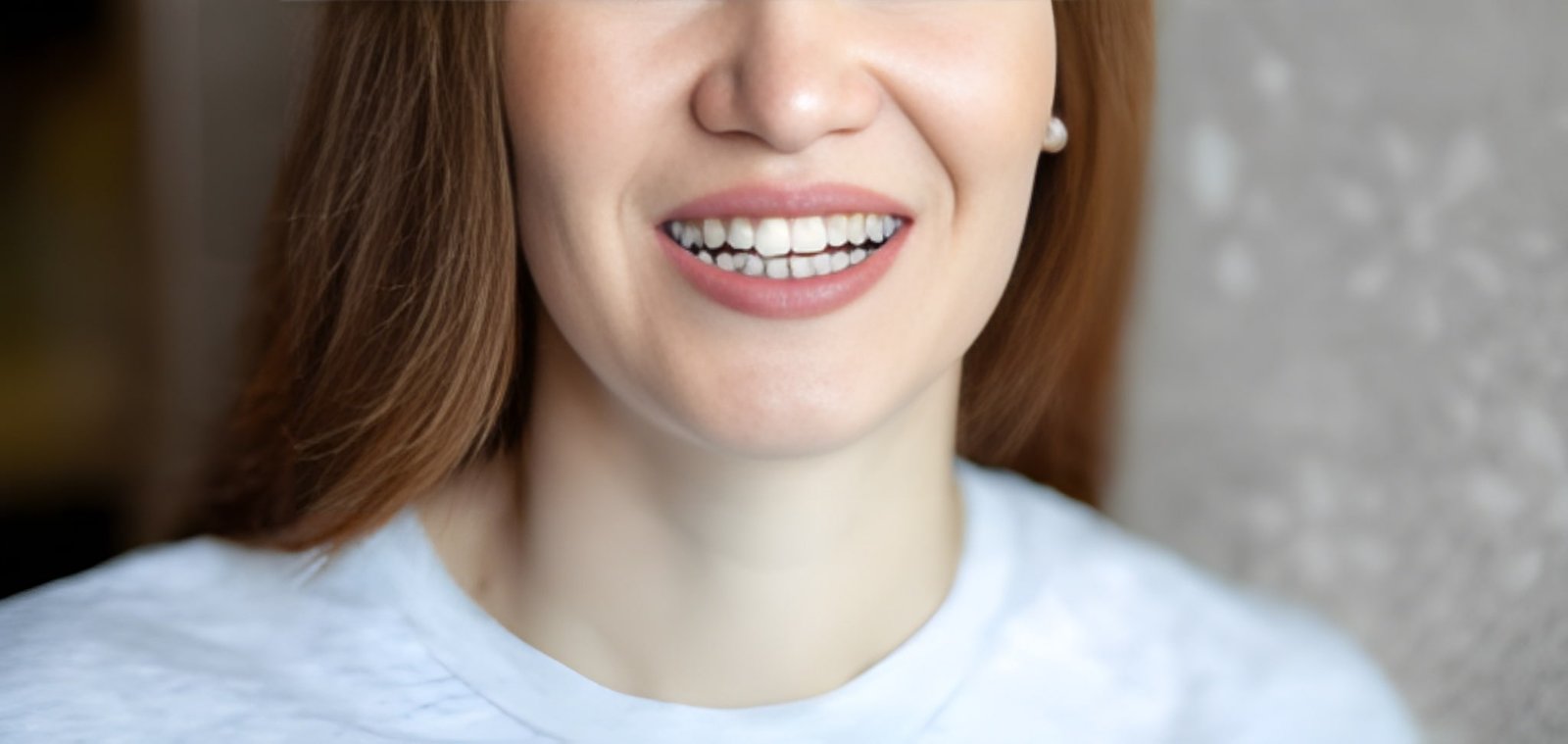
After completing your orthodontic treatment, your teeth naturally try to shift back to their original positions. Retainers play a crucial role in maintaining your new smile. Whether you have fixed braces or aligners, retainers help stabilise your teeth by allowing bone and soft tissue to adjust to their new alignment.
What Does a Retainer Do After Braces?
Retainers are designed to hold your teeth in their corrected positions after braces or aligners are removed. They ensure your bite and alignment remain stable while your jawbone and gums adapt. Without a retainer, there’s a high chance teeth could drift back toward their previous positions, undoing months of orthodontic progress.
Do Kids and Adults Need Retainers After Braces?
Both children and adults require retainers once braces are removed. The difference lies in how long each person needs to wear them. Younger patients may see quicker stabilisation due to their developing bones, but adults often need to wear retainers longer to maintain results. Everyone, regardless of age, benefits from consistent retainer use.
Types of Retainers
Modern orthodontics offers several types of retainers, each with specific uses and benefits. Your orthodontist will recommend the best type based on your treatment and lifestyle preferences. The two main types are permanent (fixed) and removable retainers.
Permanent Retainers
Also known as fixed retainers, these are thin wires bonded to the back of the teeth, usually the lower front teeth. They remain in place permanently and effectively prevent any shifting. Permanent retainers are ideal for those who want a hands-free solution but require careful cleaning to prevent plaque build-up.
Removable Retainers
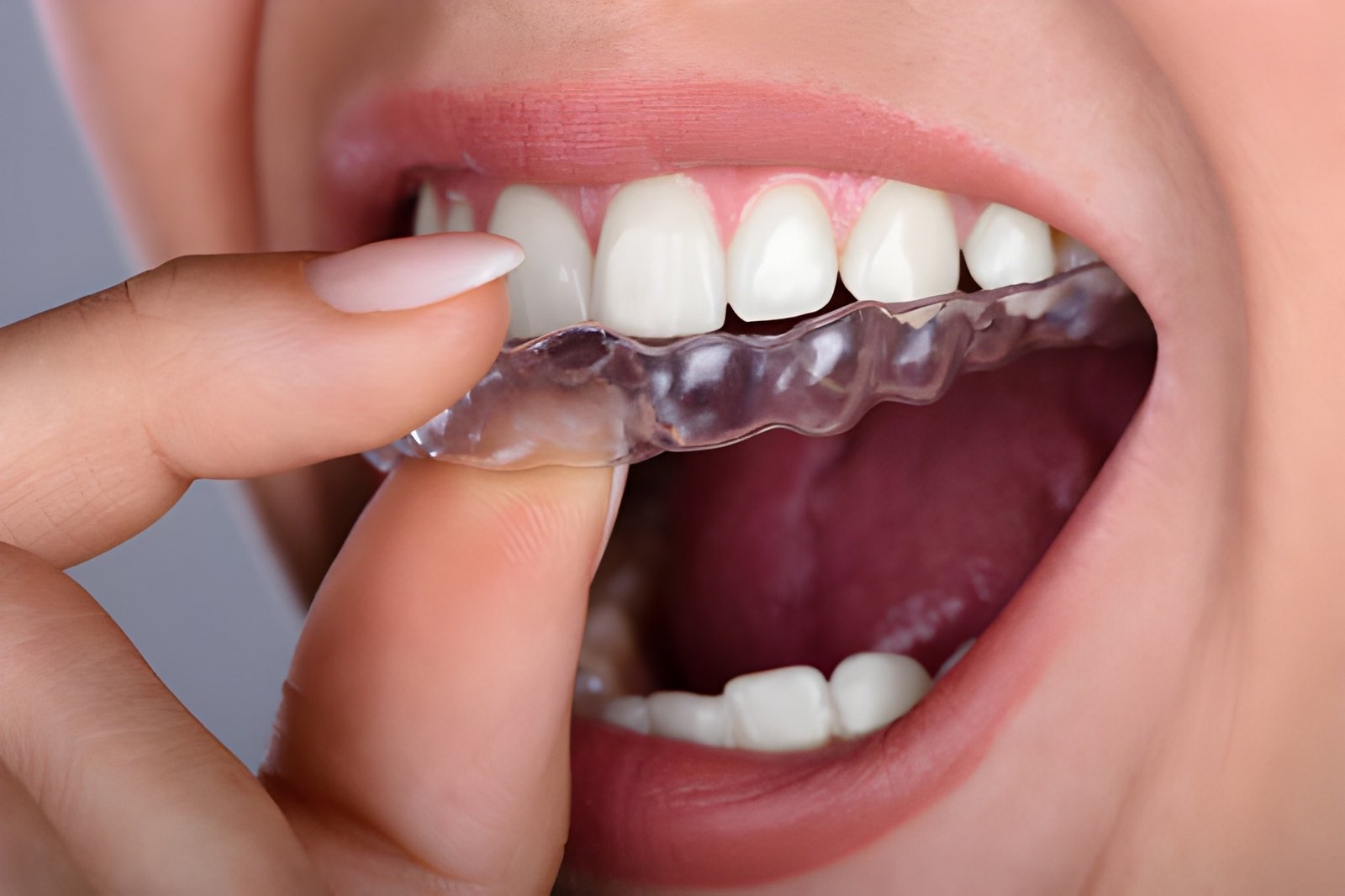
Removable retainers, such as Hawley or clear Essix types, can be taken out for eating, brushing, and special occasions. These retainers are easy to keep clean and can be replaced if lost or damaged. However, they must be worn consistently according to the orthodontist’s recommendations to remain effective.
Removable vs Fixed Retainers: A Comparison
Both styles have advantages. Fixed retainers offer continuous protection with minimal effort, while removable retainers provide flexibility and easier maintenance. Many patients start with a fixed retainer combined with a removable one for extra stability at night.
How Long Should You Wear a Retainer?
Most orthodontists recommend wearing retainers full-time for the first few months after braces removal, later reducing to night-time use. Some patients need to continue wearing a retainer indefinitely during sleep to maintain alignment. This lifelong commitment helps ensure your smile remains straight for years to come.
What Happens if You Don’t Wear Your Retainer?
Skipping your retainer can cause shifting or relapse — when teeth start moving back towards their original positions. Even slight movement can affect your bite and the appearance of your smile. If you forget to wear your retainer for several days or weeks, it may feel tight when you put it back in, a sign that your teeth have started to move.
Can You Ever Stop Wearing a Retainer?
While the frequency may reduce over time, most professionals recommend occasional or consistent night-time retainer wear indefinitely. Teeth continue to move subtly with age, and wearing a retainer ensures that your orthodontic results remain intact throughout your life.
What to Expect with a Retainer
At first, you might notice mild discomfort or slight speech changes when you start wearing your retainer. These feelings usually fade within a few days as you adapt. Fixed retainers require some flossing techniques for effective cleaning, while removable retainers need a proper routine of cleaning and storage.
Caring for Your Retainer
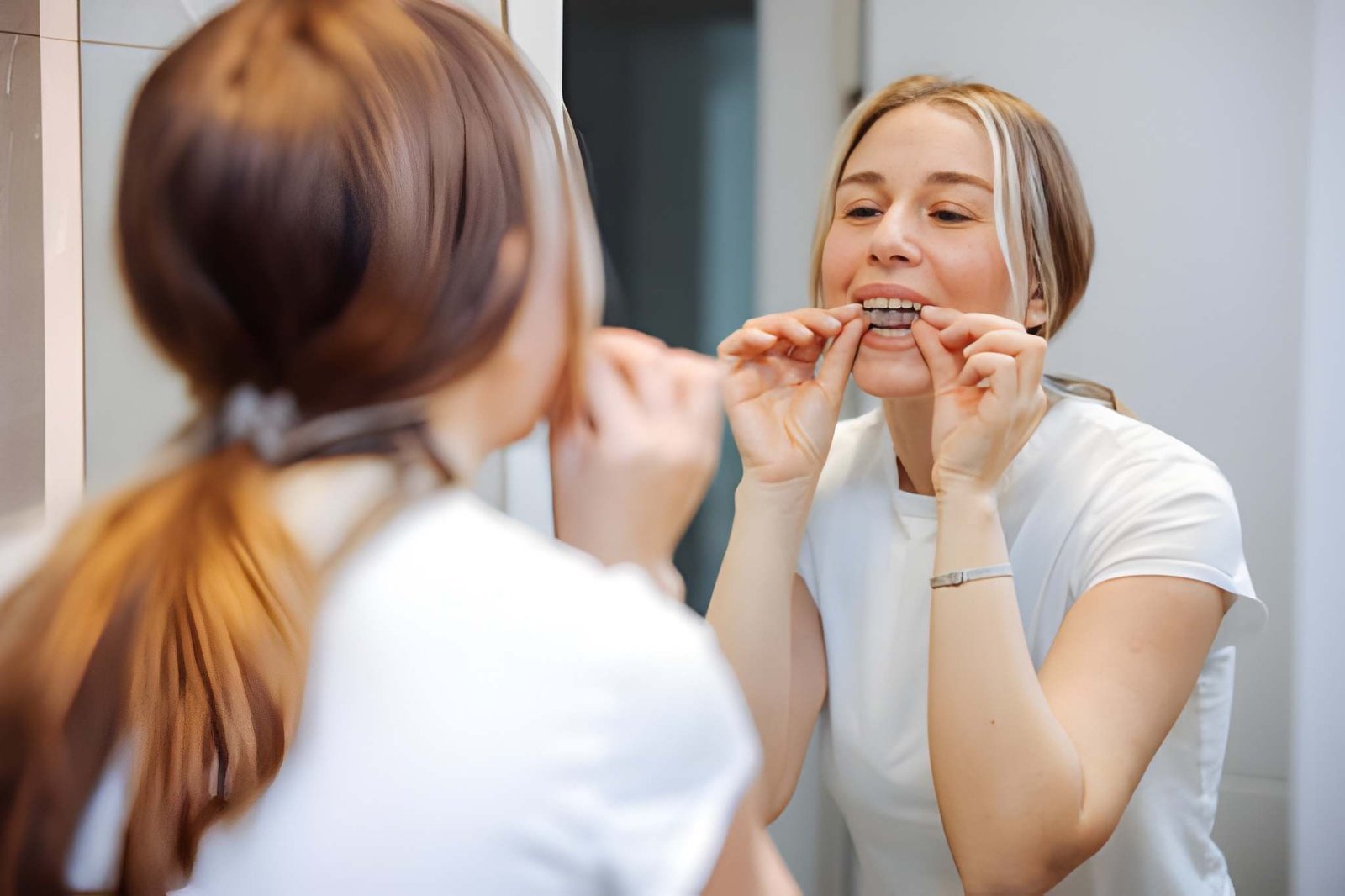
Maintaining your retainer ensures hygiene and longevity. Brush removable retainers gently with mild soap and lukewarm water, avoiding hot water that could warp the material. For fixed retainers, use floss threaders or interdental brushes to clean between teeth. Keep your retainer case clean and replace your appliance when it shows signs of wear.
Treatments & Care: Keeping Your Smile Straight Long-Term
Post-orthodontic care includes attending regular check-ups, maintaining excellent oral hygiene, and following retainer wear instructions. These simple steps will ensure your orthodontic investment continues to bring confidence and function for years to come.
Why Retainers Are Essential
Retainers are the key to protecting the hard work put into your orthodontic treatment. They prevent relapse, maintain bite alignment, and help preserve results permanently. Consistent wear ensures the stability of your new smile, saving time and cost in the long run.
Book Your Retainer Consultation at Visage Orthodontics
Keeping your smile straight after braces is just as important as the treatment itself. At Visage Orthodontics, we provide custom-made retainers and personalised aftercare plans to help protect your results long term. If you’ve recently finished braces or Invisalign, contact our friendly team today to book your consultation and keep your smile beautifully aligned for years to come.
Frequently Asked Questions
1. How long will I need to wear my retainer after braces?
Most people wear a retainer full-time for several months to a year after braces, transitioning to night-time use. Some may need to wear it indefinitely to prevent movement.
2. What should I do if my retainer breaks or feels uncomfortable?
Do not attempt to fix it yourself. Contact your orthodontist as soon as possible to avoid tooth movement while waiting for a repair or replacement.
3. Can retainers affect my speech?
You may notice slight speech changes when you first start wearing a removable retainer, but this usually improves within a few days as your mouth adjusts.
4. Are retainers difficult to clean?
Not at all. Removable retainers should be gently cleaned daily with mild soap and water. Fixed retainers need careful flossing to remove plaque buildup and maintain gum health.
5. What happens if I forget to wear my retainer for a few nights?
If your retainer feels tight when you put it back in, it means your teeth have started to shift. Resume wearing it as recommended and contact your orthodontist if it doesn’t fit properly.