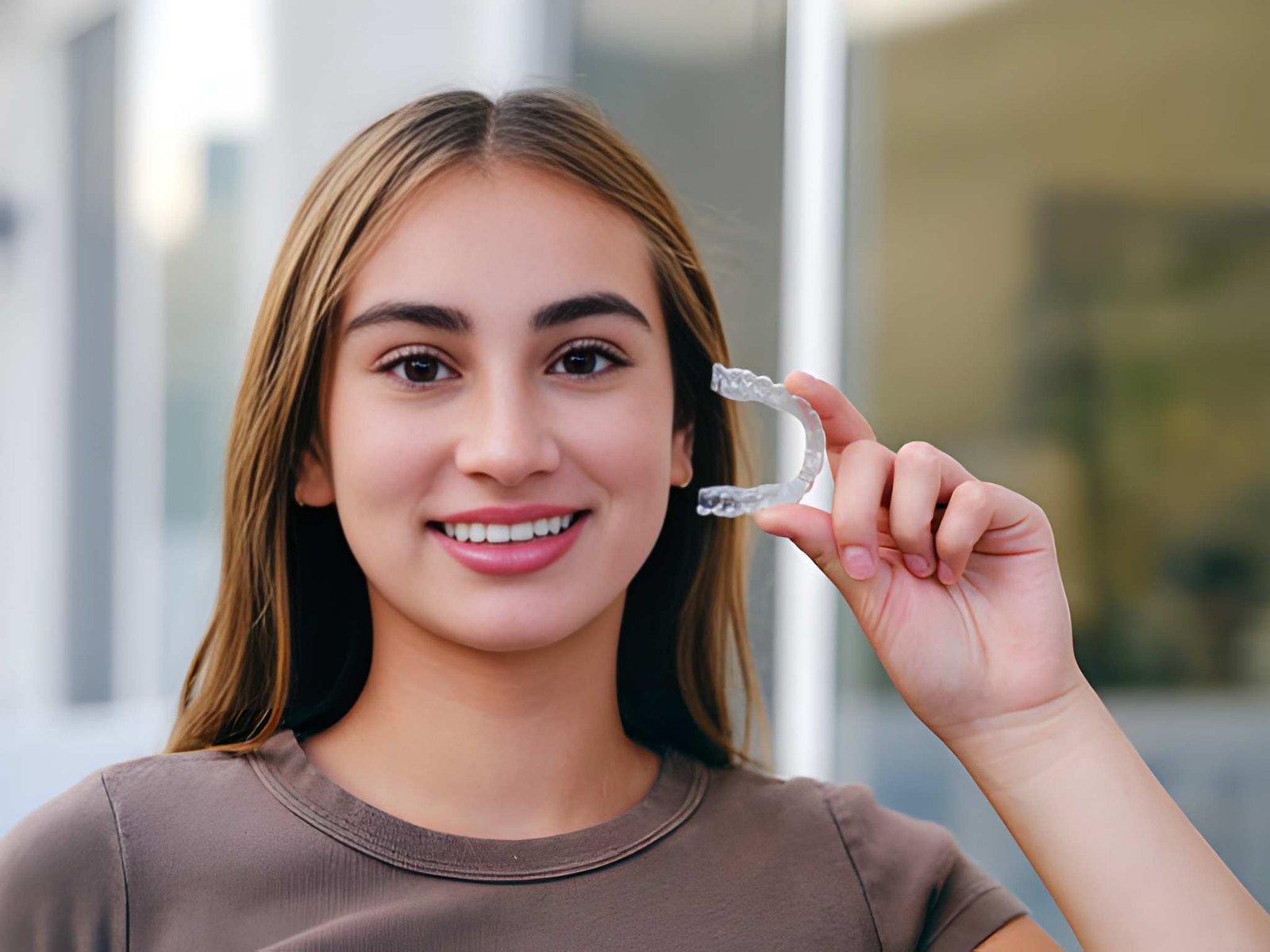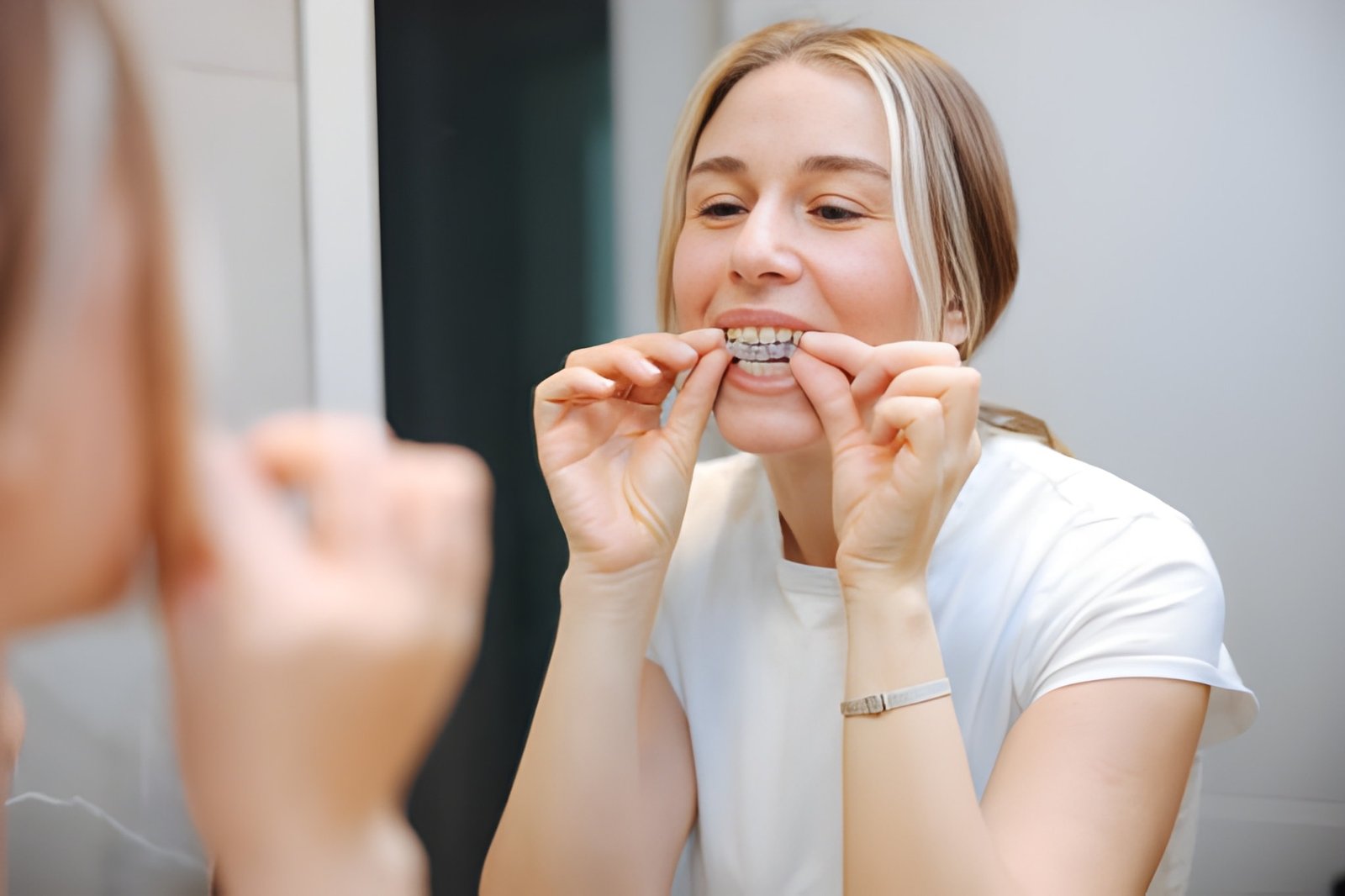

Invisalign treatment usually takes 6 to 18 months, depending on the complexity of your case. Mild alignment issues may improve within a few months, while more complex bite problems may take longer. Consistent aligner wear and regular orthodontic check-ups help keep treatment on schedule.
Invisalign is a popular orthodontic treatment used to straighten teeth with clear aligners. Many adults and teenagers choose it because the aligners are discreet and removable. However, one common question patients ask is how long the treatment takes. The answer depends on your individual dental condition and how well you follow the treatment plan.
What Is Invisalign?
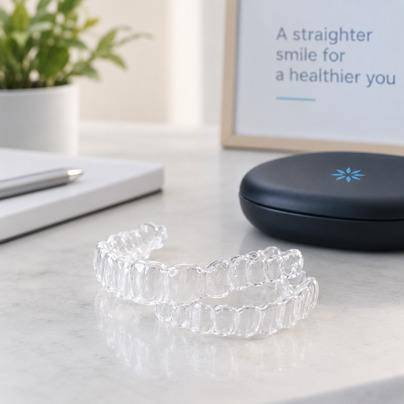
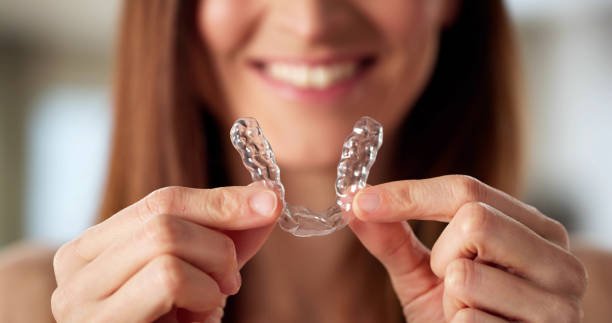
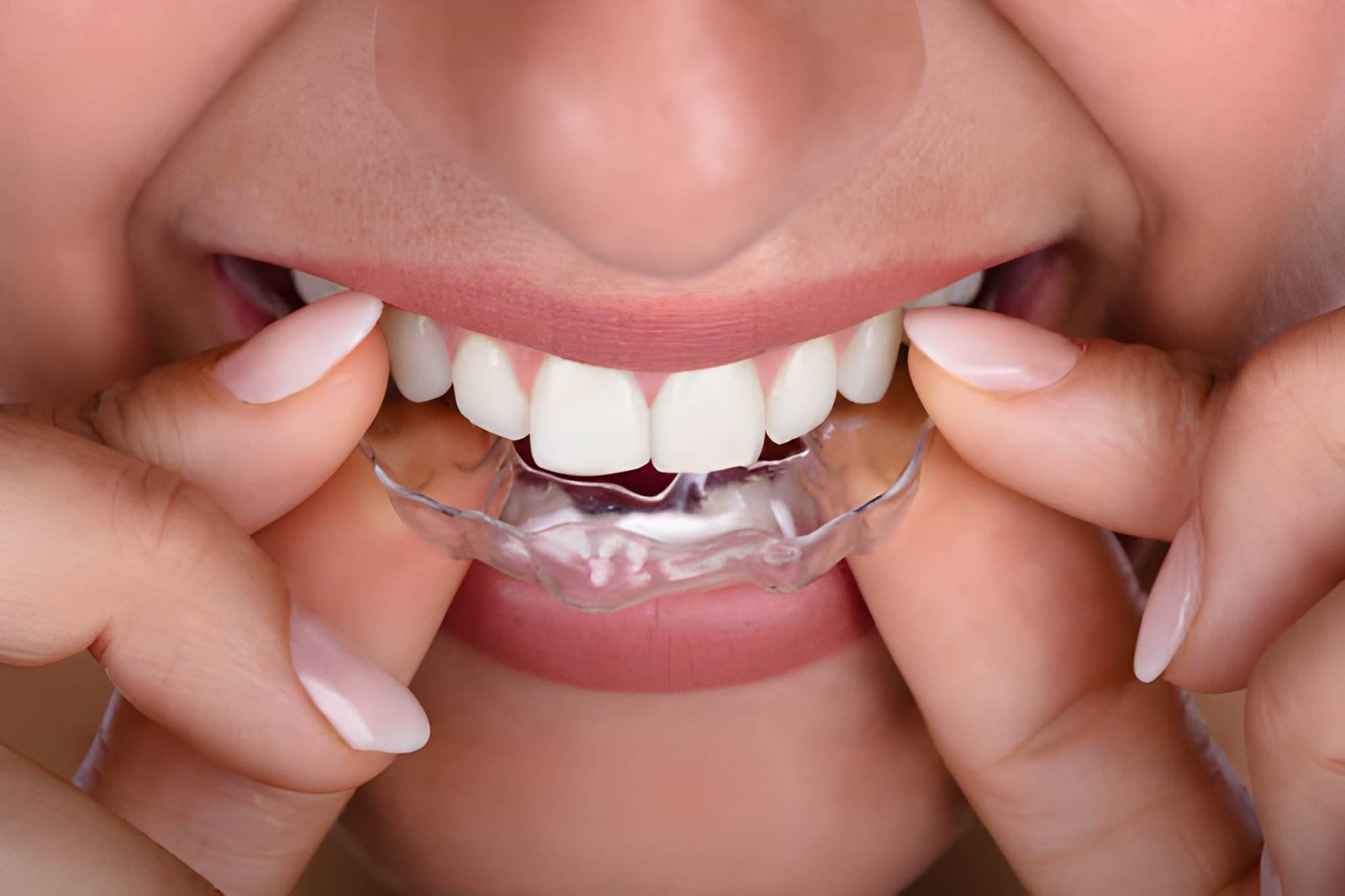
Invisalign is an orthodontic treatment that uses a series of clear, removable aligners to gradually move teeth into better alignment. Each aligner is custom-made to fit your teeth and applies gentle pressure to guide them into the correct position. Patients usually change aligners every one to two weeks.
Average Invisalign Treatment Time
Most Invisalign treatments fall within the following time ranges:
- Mild cases (small gaps or slight crowding): 3–6 months
- Moderate cases (crooked teeth or moderate crowding): 6–12 months
- Complex cases (bite issues or severe misalignment): 12–24 months
Every treatment plan is customised, so timelines can vary from patient to patient.
Factors That Affect Invisalign Treatment Time
Several factors influence how long Invisalign treatment may take.
- Severity of tooth misalignment
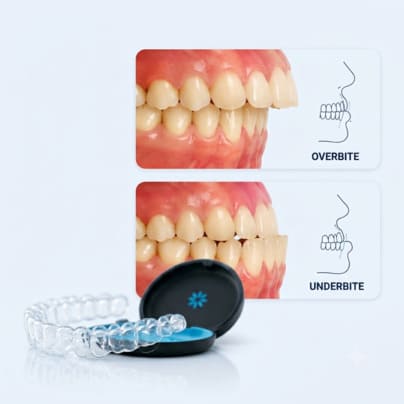
- Bite issues such as overbite or underbite
- Age of the patient
- Overall oral health
- Consistency in wearing aligners
- Following the orthodontist’s instructions and appointments
Wearing aligners for 20–22 hours per day is one of the most important factors in achieving timely results.
How Invisalign Treatment Works
- Initial Consultation
An orthodontist examines your teeth and creates a digital scan to design a personalised Invisalign treatment plan. - Custom Aligner Creation
A series of clear aligners is produced to gradually move your teeth into the desired position. - Regular Aligner Changes
You change to a new set of aligners every one to two weeks, each applying gentle pressure to move teeth step by step. - Progress Monitoring
Regular orthodontic visits ensure your treatment stays on track and adjustments are made if needed.
Signs Invisalign Is Working
Many patients begin noticing small changes within the first few weeks.
- Teeth begin shifting slightly
- Aligners feel tighter when switching to a new set
- Gradual improvement in tooth alignment
- Gaps between teeth start closing
These signs indicate that the aligners are gradually moving your teeth.
How to Keep Invisalign Treatment on Track
- Wear aligners for at least 20–22 hours daily
- Change aligners according to the recommended schedule
- Keep aligners clean and undamaged
- Attend regular orthodontic appointments
- Use chewies if recommended to ensure proper aligner fit
Following these steps helps maintain steady progress during treatment.
Start Your Invisalign Journey at Visage Orthodontics Aberdeen
If you are considering Invisalign, the team at Visage Orthodontics Aberdeen can help you understand your treatment timeline and options. During your consultation, our orthodontists assess your smile, answer your questions, and design a personalised treatment plan to help you achieve straighter teeth with confidence.
Frequently Asked Questions
How long does Invisalign usually take?
Most Invisalign treatments take between 6 and 18 months, depending on the complexity of the case.
Can Invisalign work in 3 months?
Yes, mild alignment issues such as small gaps or minor crowding may improve within 3–6 months.
Do teeth move every week with Invisalign?
Yes. Each new aligner slightly shifts the teeth, which is why aligners are usually changed every one to two weeks.
Is Invisalign faster than braces?
In some mild to moderate cases, Invisalign can be faster than traditional braces.
What happens after Invisalign treatment ends?
Most patients wear retainers after treatment to prevent teeth from shifting back to their original position.